
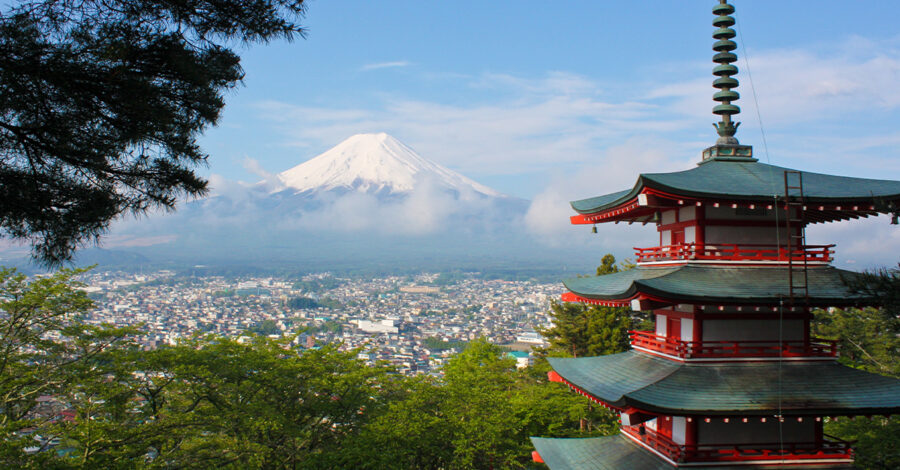
Japan has a way of making first-time visitors feel completely looked after and slightly lost at the same time. The trains leave on the second, the convenience store down the street sells a better lunch than most restaurants back home, and then you try to find a dinner reservation on a street that has no name. From the shrines and temples of the countryside to the neon of Tokyo, the country is far easier to manage than it looks, provided you know a few things before you land.
This guide is organized in the order you’ll need it: what to sort out before you leave, how to get around once you arrive, how money works, and the small rules of daily life that make the difference between fumbling and fitting in. It was first published in 2017 and has been updated and fact-checked for 2026, which turned out to matter. A surprising amount has changed.
- 1. Japan Is Bigger Than It Looks
- 2. Learn Some Japanese
- 3. Sort Out Your Data Before You Land
- 4. The Trains Are Daunting, Then Brilliant
- 5. Carry Cash, but Not Only Cash
- 6. It's Not as Expensive as You Think
- 7. Don't Tip
- 8. Convenience Stores Are Much More Than Convenience Stores
- 9. Bring a Bag for Your Garbage
- 10. Smoking Has Moved Into Its Own Rooms
- 11. The Toilets Live Up to the Hype
1. Japan Is Bigger Than It Looks
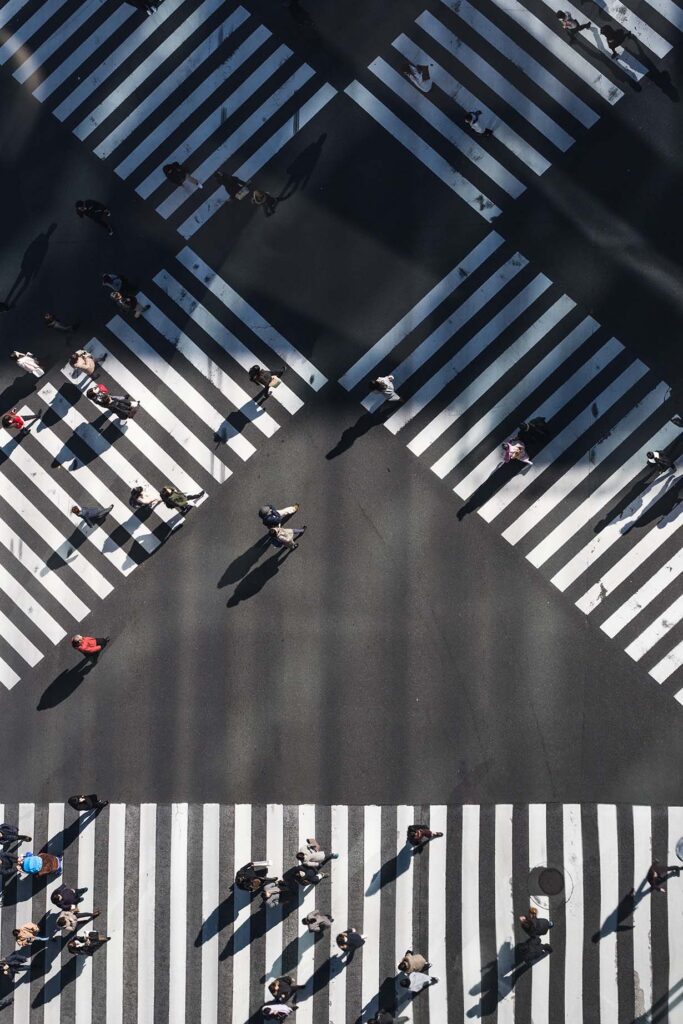
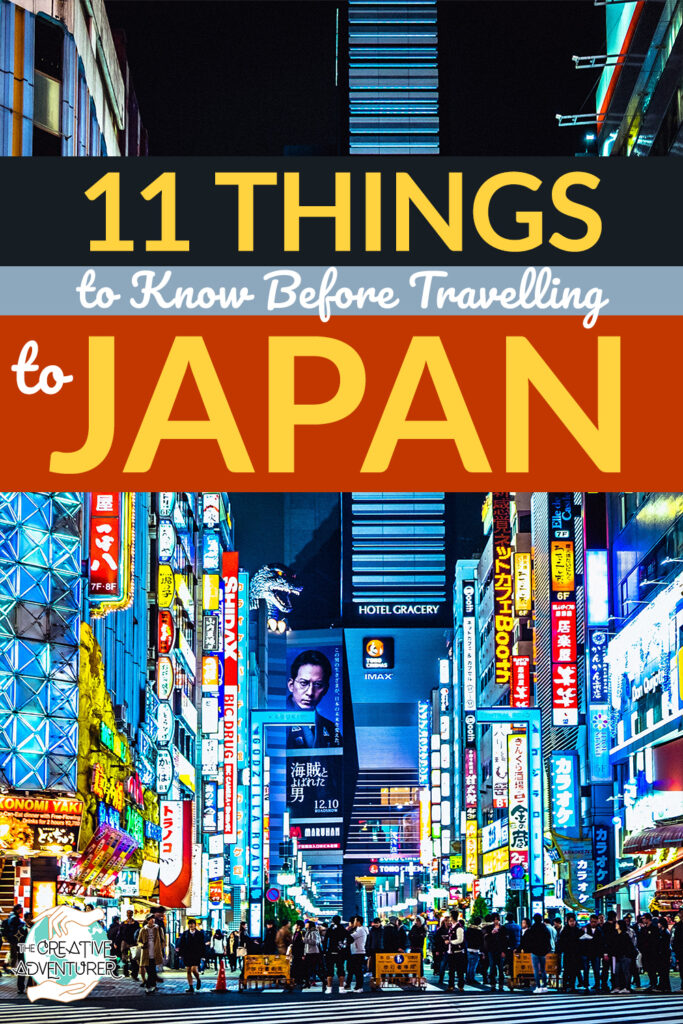
On a map, Japan looks like a tidy string of islands you could cover in a week. You can’t, and Tokyo alone makes the point. The Tokyo Metropolis covers about 2,200 km² and is home to roughly 14 million people, nearly 10 million of them in the 23 central wards most visitors think of as “Tokyo”. Staying in the west around Shibuya and heading to eastern districts like Asakusa is a proper trip across the city, not a quick hop.
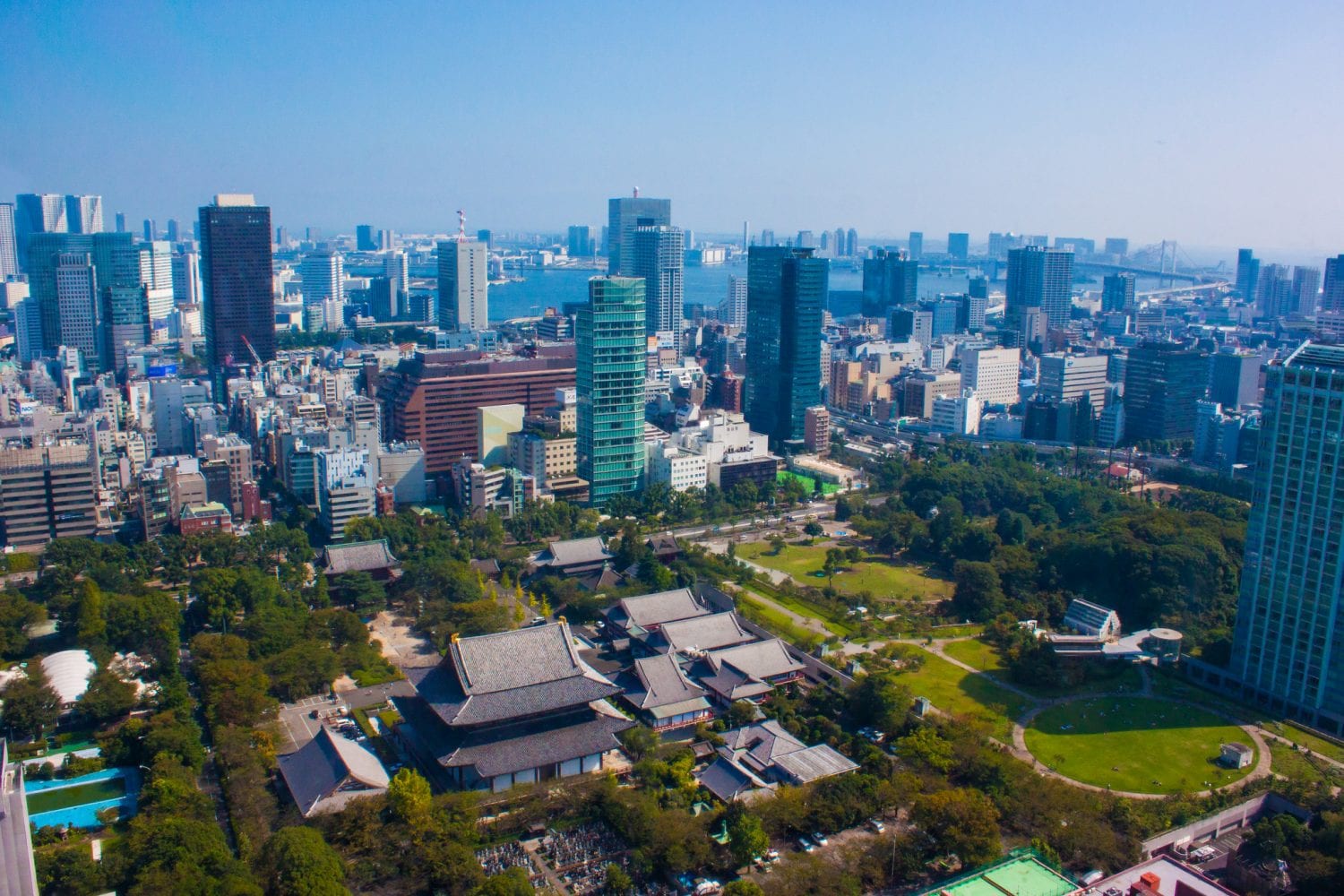
The fix is to plan by area rather than by attraction. Group Shibuya, Harajuku and Shinjuku into one day and Ueno, Asakusa and Akihabara into another, and you’ll spend your time looking at things instead of riding back and forth on the metro.
2. Learn Some Japanese
One of the biggest mistakes English speakers make abroad is assuming everyone will speak some English. Even in Tokyo, don’t count on it. English is increasingly taught, but plenty of people, especially older generations, don’t speak it, and there’s no particular reason they should. Touristy areas have English menus and English speakers, so you can seek those out if you need to. If you do find someone who speaks English, slow down (without being condescending about it). English speakers tend to talk fast, and someone still learning will have an easier time translating and responding.
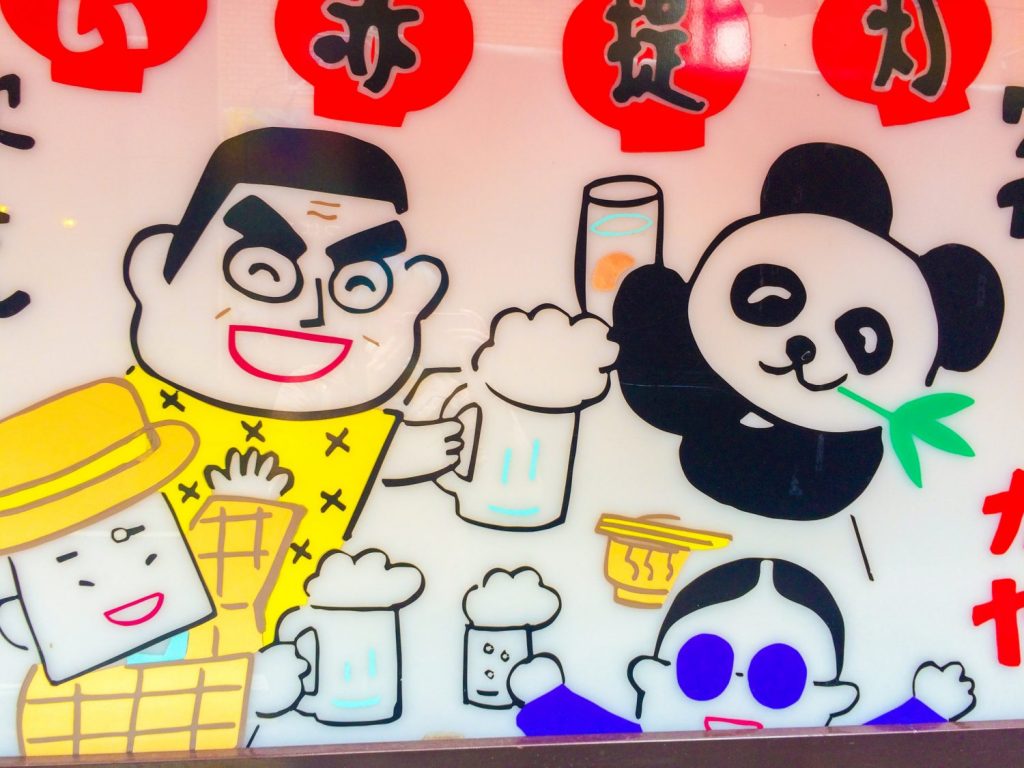
Don’t worry if you can’t read or speak the language. Japanese people are among the kindest and most generous you’ll meet anywhere, and strangers will go to considerable effort to help you even when you share no words at all. Pointing, rudimentary sign language and a smile go a long way. Learning a few phrases on your long-haul flight goes further: “thank you,” “excuse me” and “please” show gratitude and humility, and people respond to that in kind.
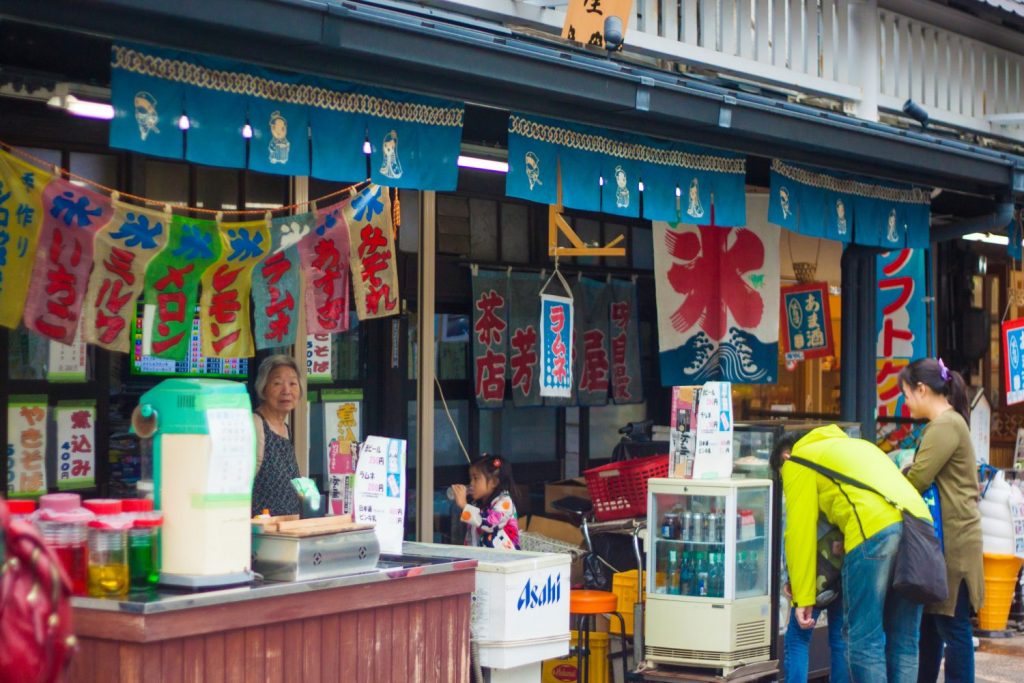
Japanese Phrases
| English | Japanese |
|---|---|
| Thank you | arigatou gozaimasu |
| Please | onegaishimasu |
| Excuse me | sumimasen |
| Yes | hai |
| No | iie |
| I’m sorry | gomen nasai |
| I don’t understand Japanese | nihongo ga wakarimasen |
| Can you speak English? | eigo o hanasemasu ka? |
If you are interested in learning some key phrases when eating at restaurants, check out this guide!
3. Sort Out Your Data Before You Land
Free public wifi exists in Japan, at airports, major stations and some cafés, but it’s patchy and drops out as you move between hotspots, so you’ll want your own connection. You have two good options. A pocket wifi device can be shipped to your hotel or picked up at the airport, and one device can be shared by several people. An eSIM, bought before you leave, can be set up on the airport wifi so you’re online by the time you clear immigration (your phone needs to be unlocked and eSIM-compatible). Whichever you choose, get unlimited data. Getting lost is part of the fun of travelling, but when you’re hungry and tired, being able to navigate yourself to a hot bowl of ramen is just what the doctor ordered.
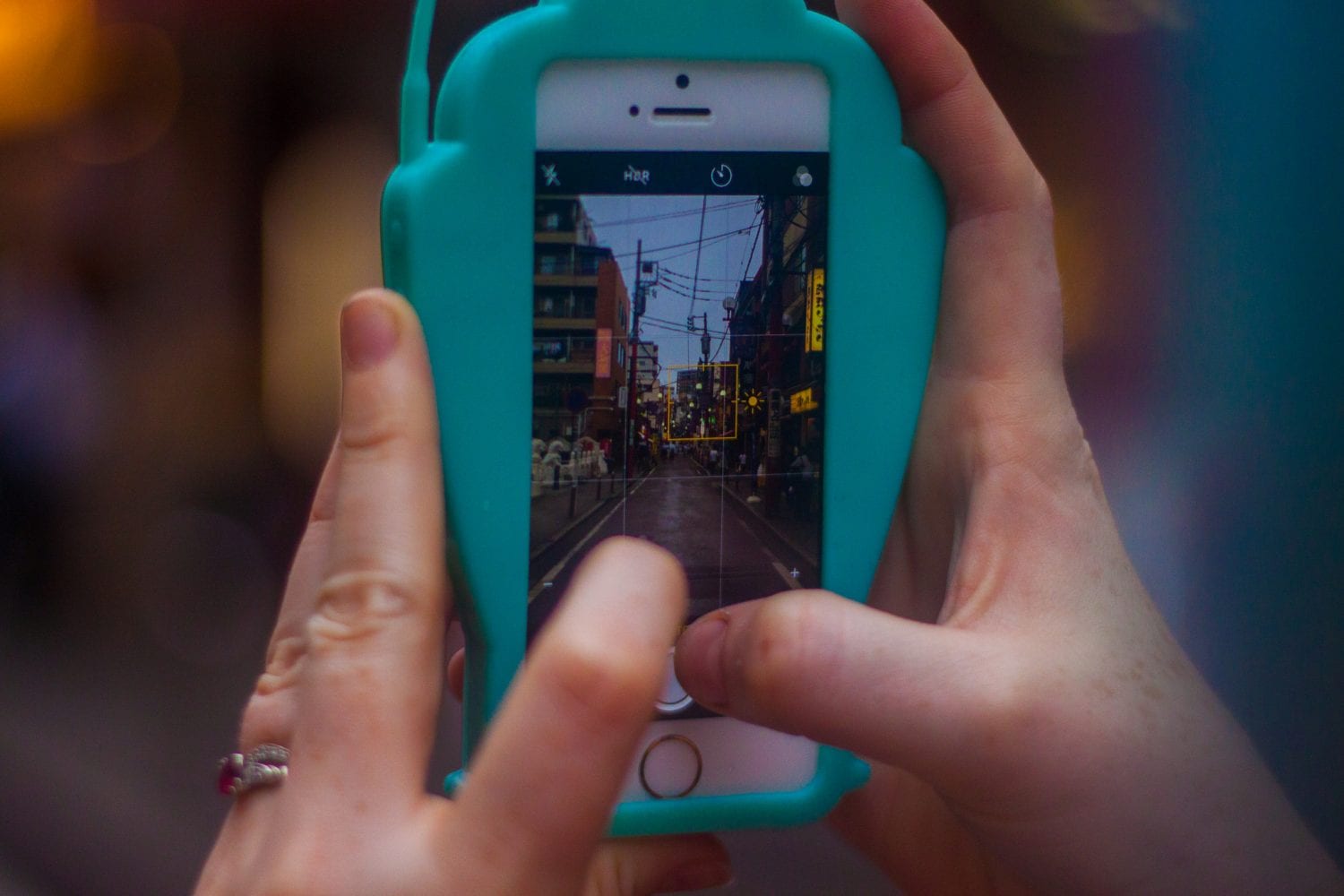
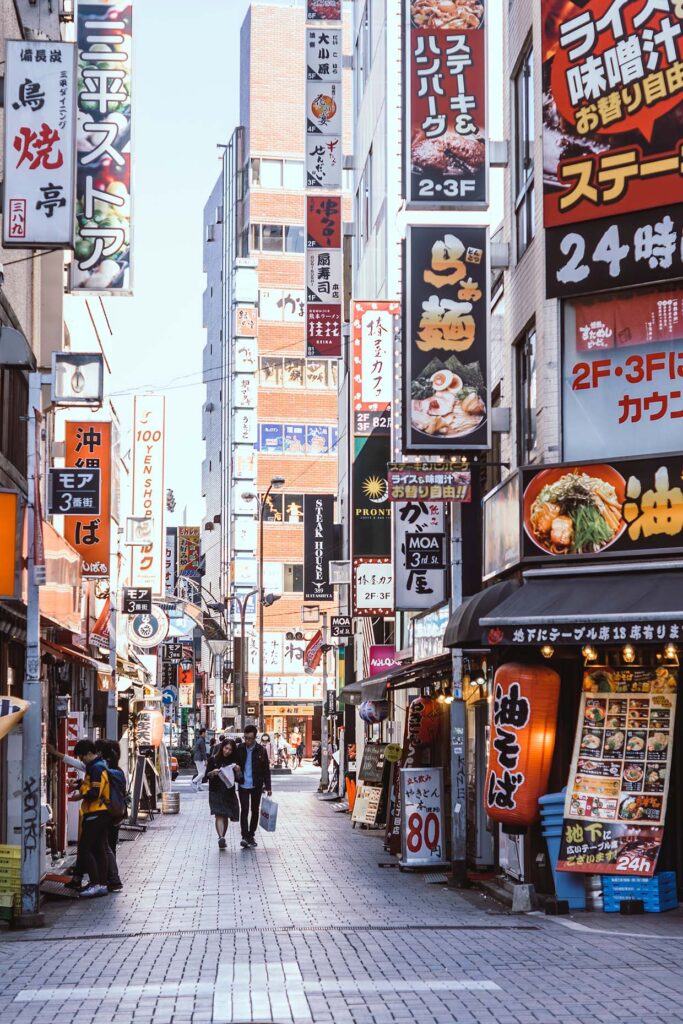
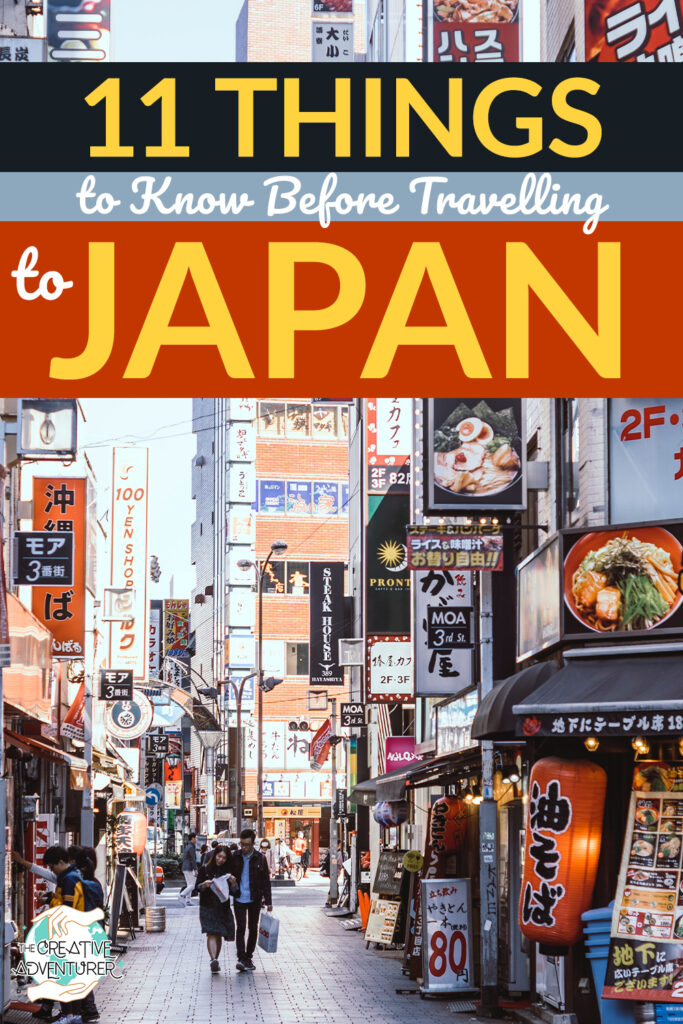
You’ll lean on your phone more than you expect because Japanese addresses work differently. Most streets have no names; addresses identify districts, blocks and buildings by number instead, which makes hunting down a particular restaurant confusing. Google Maps, with its little blue dot showing which way you’re facing, will be your saving grace.
4. The Trains Are Daunting, Then Brilliant
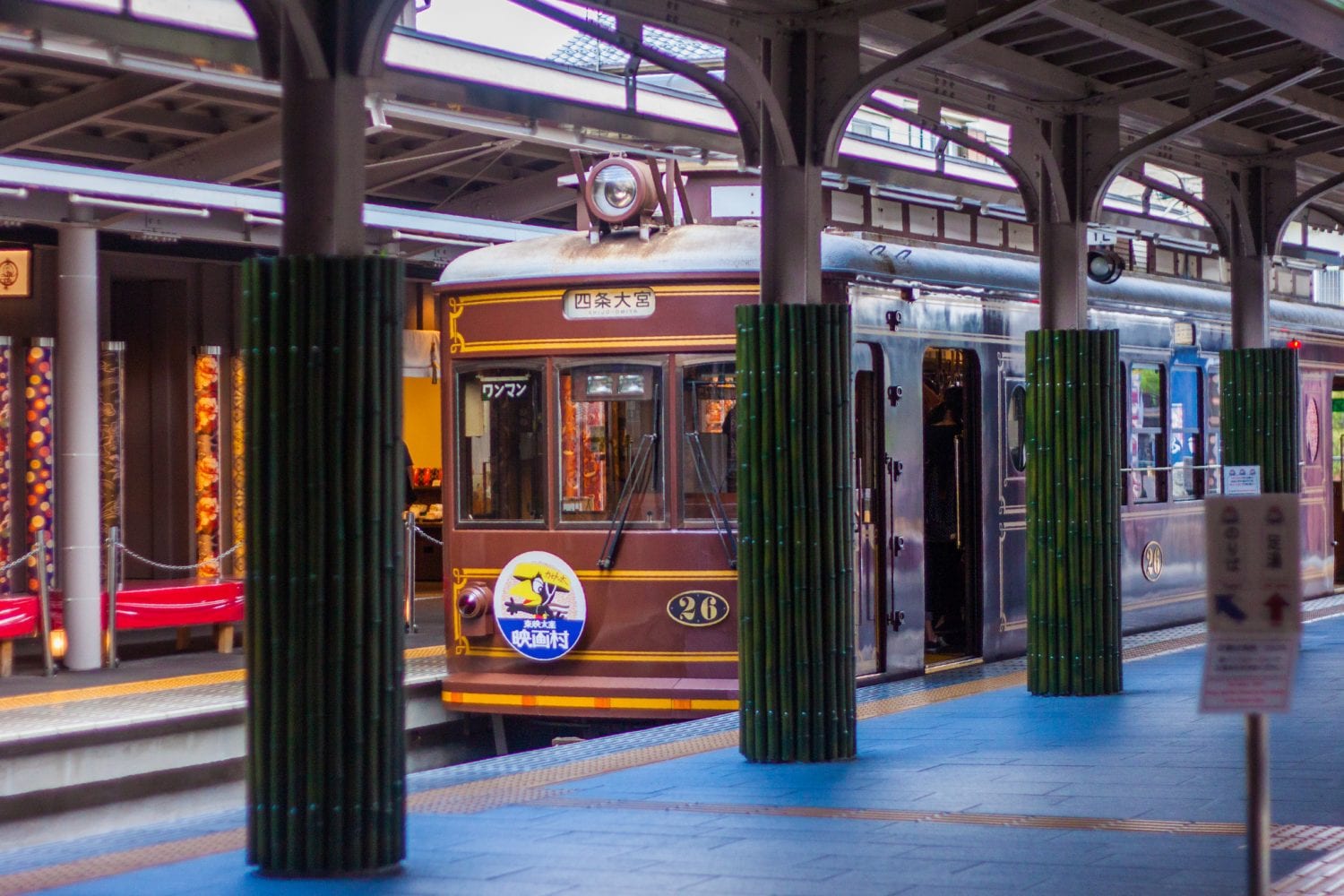
Your first look at a Tokyo transit map can be overwhelming: dozens of colour-coded lines, several competing operators, and not much English. Even a short journey can involve changing lines, and sometimes changing companies. Once you figure it out, though, the system is fast, cheap for the distances it covers and runs everywhere, not only in Tokyo and Osaka. Taxis are expensive by comparison, so unless you’re hauling serious luggage, take the train.
Get an IC Card
The simplest way to avoid fare confusion is a rechargeable IC card. Suica and Pasmo are the two you’ll see in Tokyo, and they work on almost every train and bus network in the country. Load money onto the card, tap in, tap out, and the fare (which depends on how far you travel rather than a flat rate) is calculated for you. You can also use them at convenience stores and vending machines.
If you get stuck at a ticket machine, look for the English option on the screen, or press the call button. A staff member will come to help, and even if they don’t speak much English, you can point to where you want to go and they’ll do the rest.
Do the Math Before Buying a Japan Rail Pass
A nationwide rail pass used to be an easy money-saver for travelling between cities. It often isn’t anymore. Price out your planned journeys first, and buy the pass only if they add up to more.
The Rules of the Train
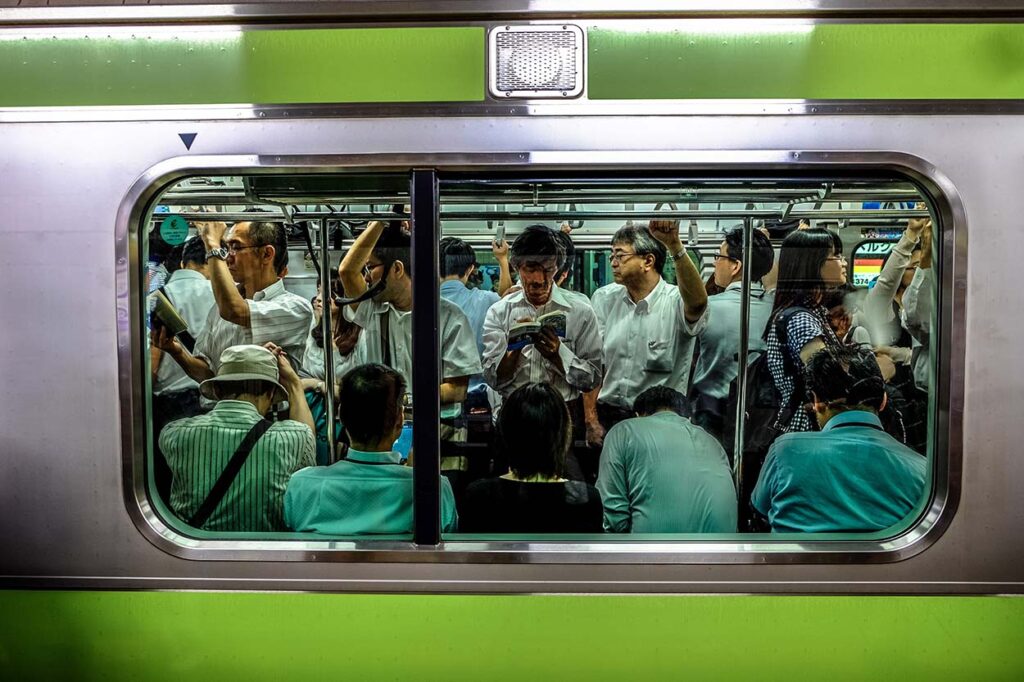
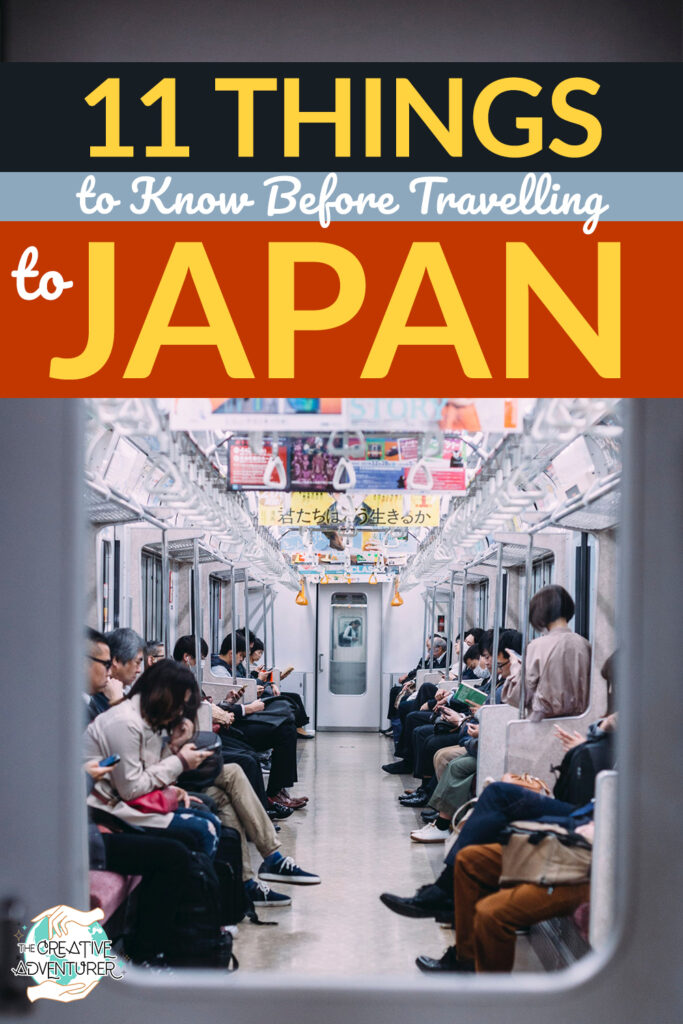
Keep your voice down and don’t take phone calls on board; both will earn you serious side-eye from fellow passengers. Eating on local trains and subways is frowned upon, though on long-distance trains like the Shinkansen a boxed lunch is normal and expected,
On some busy lines, certain cars are reserved for women, usually during weekday rush hours, and they’re marked with pink signs on the platform and the train. My husband and I once boarded one by mistake. I looked around, saw only women, and saw all of them giving my husband some very pointed looks; we got off at the next stop and checked the signs on every car after that. If it happens to you, you can also simply walk through to the next car.
5. Carry Cash, but Not Only Cash
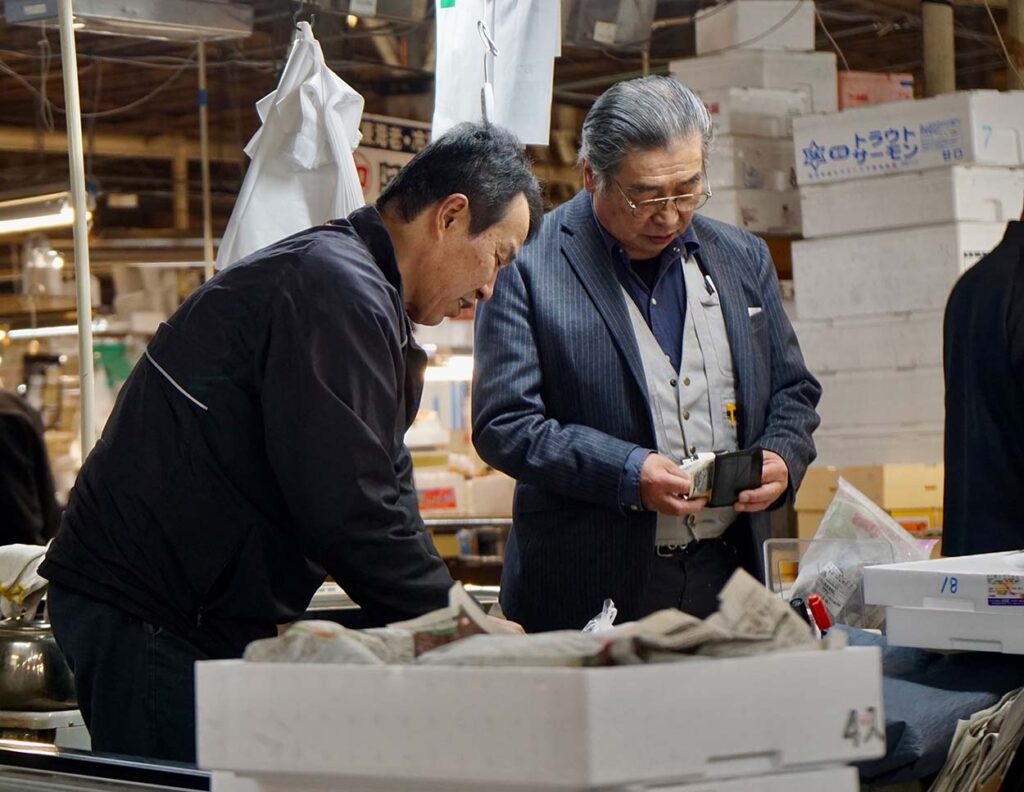
This is the tip that has changed most since 2017, when plenty of places had no card machine at all. By the government’s count, 58 percent of consumer spending in Japan was cashless in 2025, and cards and IC cards now work at convenience stores, chains, most hotels and on transit. Cash still matters, though. Small restaurants, temple ticket windows, market stalls and businesses outside the big cities are often cash-only (Kiyomizu-dera in Kyoto, for one, asks for yen at the gate, so keep some in your wallet.
Getting it is easy if you know where to go. Many Japanese bank ATMs still won’t take a foreign card, but the Seven Bank ATMs inside 7-Eleven stores and the ATMs at post offices reliably accept foreign Visa, Mastercard and other major cards, and the 7-Eleven machines run 24 hours a day. Lawson and FamilyMart machines are usually reliable backups. Japan is a very safe country, so carrying a reasonable amount of cash isn’t the worry it might be elsewhere.
This is the tip that has changed most since 2017, when plenty of places had no card machine at all. By the government’s count, 58 percent of consumer spending in Japan was cashless in 2025, and cards and IC cards now work at convenience stores, chains, most hotels and on transit. Cash still matters, though. Small restaurants, temple ticket windows, market stalls and businesses outside the big cities are often cash-only (Kiyomizu-dera in Kyoto, for one, asks for yen at the gate, so keep some in your wallet.
Getting it is easy if you know where to go. Many Japanese bank ATMs still won’t take a foreign card, but the Seven Bank ATMs inside 7-Eleven stores and the ATMs at post offices reliably accept foreign Visa, Mastercard and other major cards, and the 7-Eleven machines run 24 hours a day. Lawson and FamilyMart machines are usually reliable backups. Japan is a very safe country, so carrying a reasonable amount of cash isn’t the worry it might be elsewhere.
6. It’s Not as Expensive as You Think
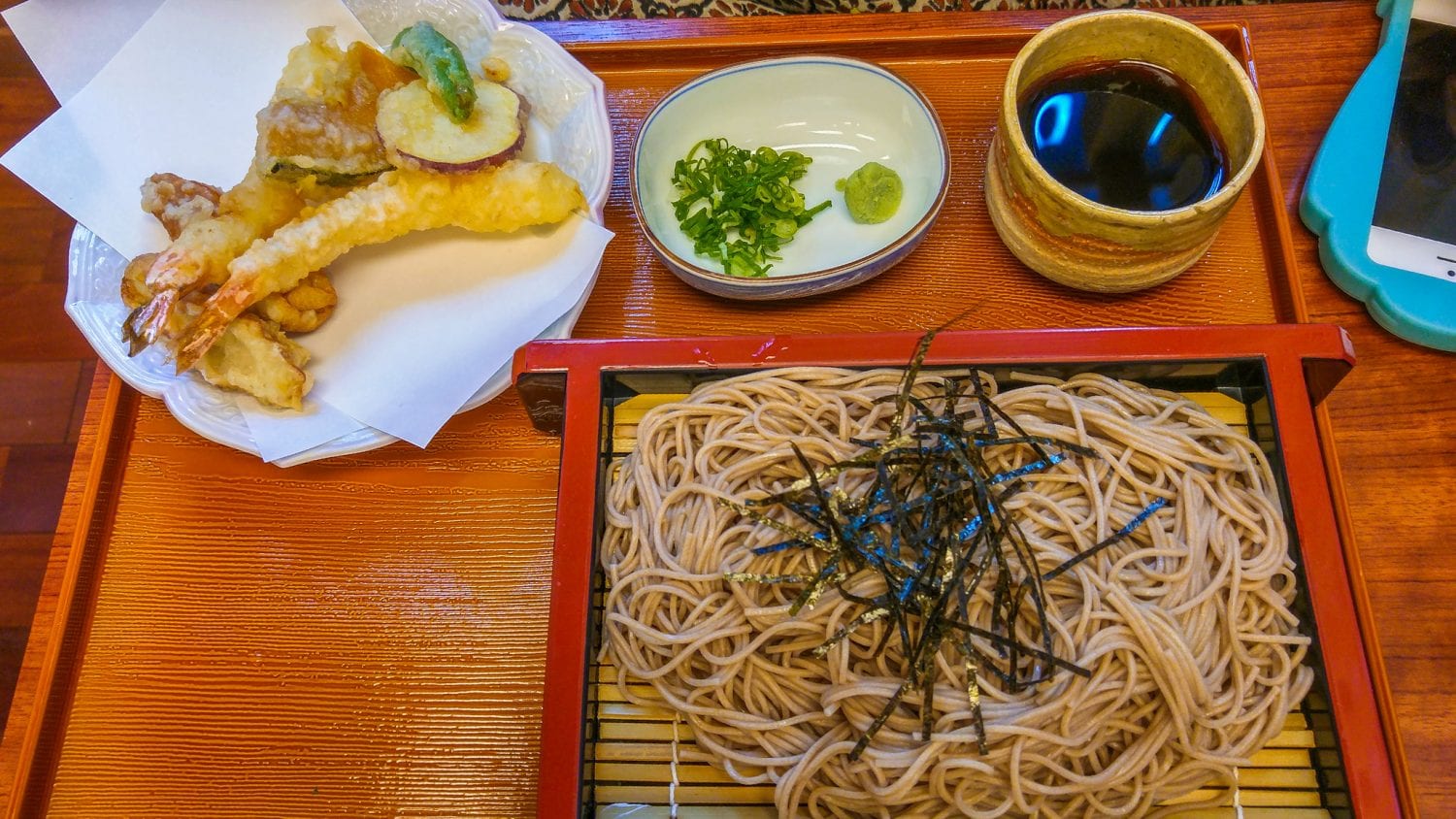
Older travellers in particular seem convinced Japan will bankrupt them. It isn’t as cheap as Southeast Asia, but it’s as expensive as you want it to be. A Michelin-starred dinner will cost what it costs anywhere, but there are hundreds of good restaurants where you can eat well for much less, and the convenience stores (see #8) will cover breakfast and lunch for not much at all.
Ramen is the classic example. A bowl has traditionally stayed under ¥1,000, a ceiling the industry calls the “1,000-yen wall.” Rising ingredient and labour costs are pushing more shops past it, but a filling bowl is still one of the best-value meals in the country.
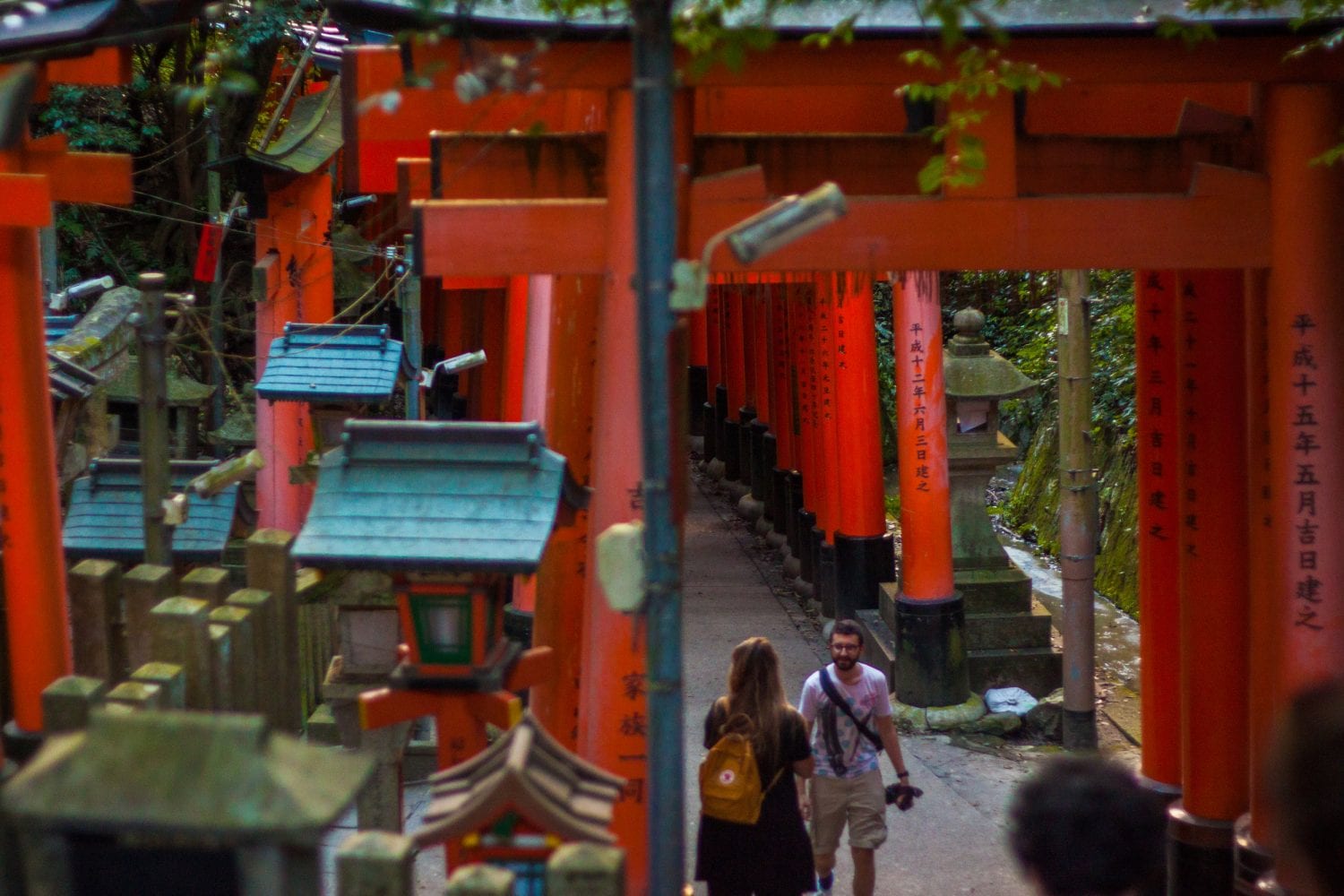
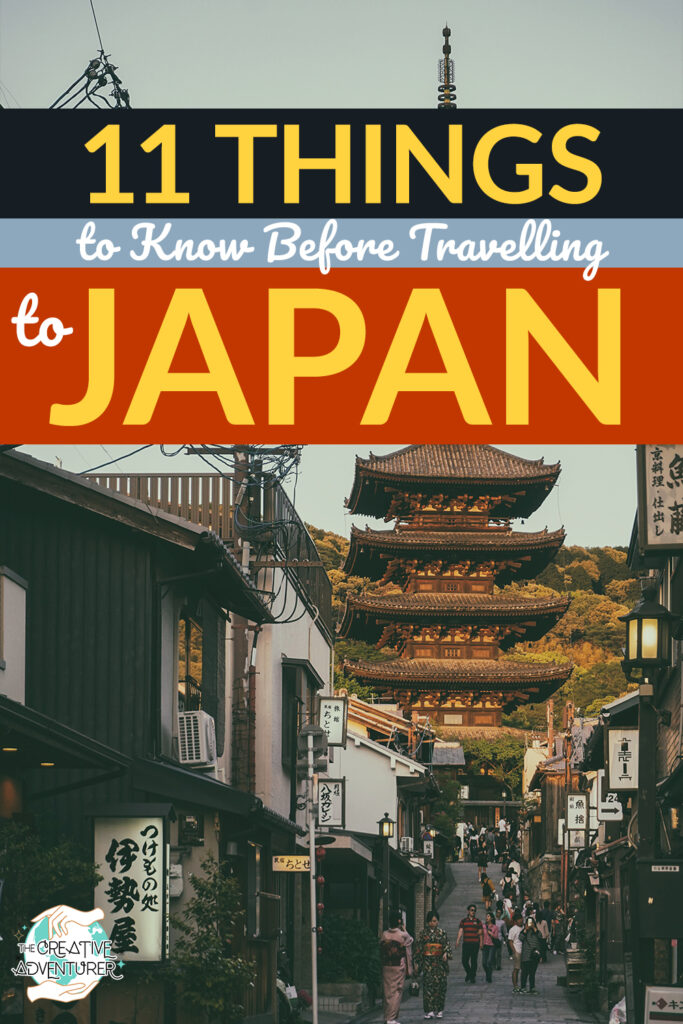
Sightseeing is generally good value, but it isn’t free. Museums and many temples charge admission: the Tokyo National Museum is ¥1,000 for its collection galleries, the 14th-century garden at Tenryu-ji in Arashiyama is ¥500, with another ¥300 to enter the buildings, and Kiyomizu-dera charges a few hundred yen (sources disagree on the current figure, so check before you go). The grounds of many of the great shrines and temples, including Senso-ji in Asakusa, Fushimi Inari in Kyoto and Meiji Jingu in Tokyo, are free to walk, and they’re among the best things you’ll see in Japan.
Where to Stay
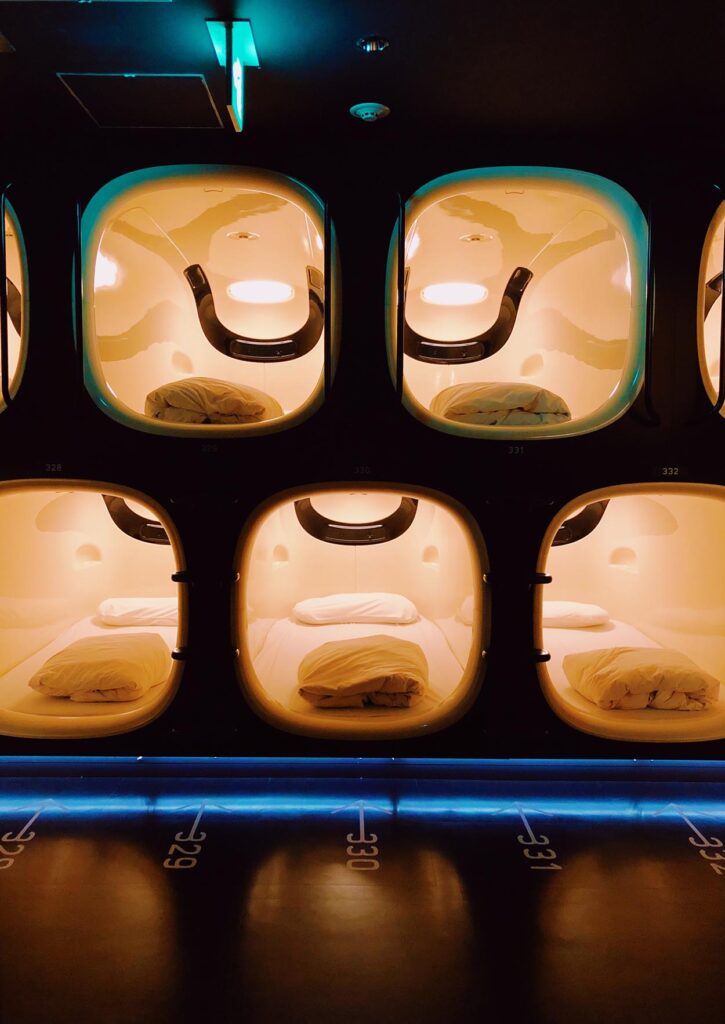
Accommodation is usually the biggest cost after your flight. In Tokyo, the Centurion, Washington and Remm hotel brands offer rooms that are spacious by Japanese standards at reasonable prices; rates vary widely by season, so compare. For something cheaper, try a capsule hotel, where you sleep in a literal capsule. They might look like coffins, but the better ones are surprisingly comfortable, with an individual TV, headphones and even pyjamas, and some have a communal bath for the end of a long day. Prices vary, so check current rates.
Holiday rentals can be a good way to live like a local, with a kitchen, city views and sometimes a garden. For two people they cost about the same as a mid-range hotel; for groups of six to eight, a whole house is where your money goes furthest. Short-term rentals have been regulated since June 2018, when a new law required hosts to register and Airbnb removed about 80 percent of its Japanese listings, so book only listings that show a registration number.
7. Don’t Tip
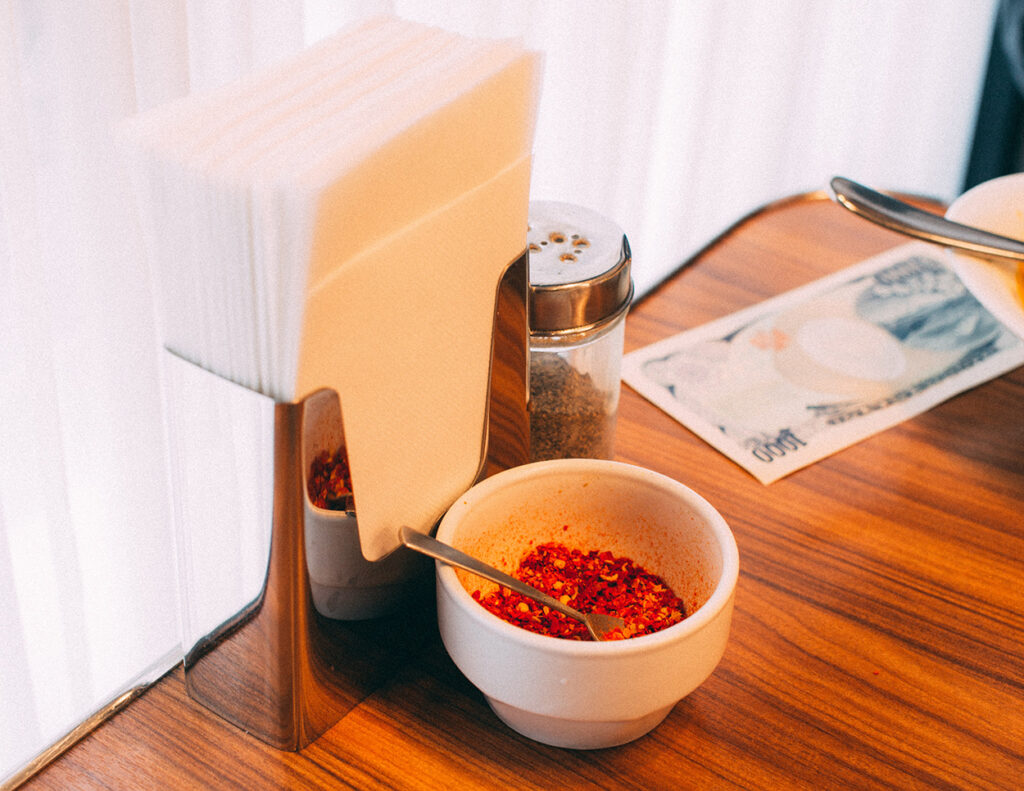
Tipping is simple in Japan: don’t. It isn’t part of the culture, and attempting it tends to cause confusion rather than gratitude. Good service is treated as a given, not something to be rewarded. If you leave your change on the table, don’t be surprised if someone chases you down the street to return it, assuming you forgot it.
8. Convenience Stores Are Much More Than Convenience Stores
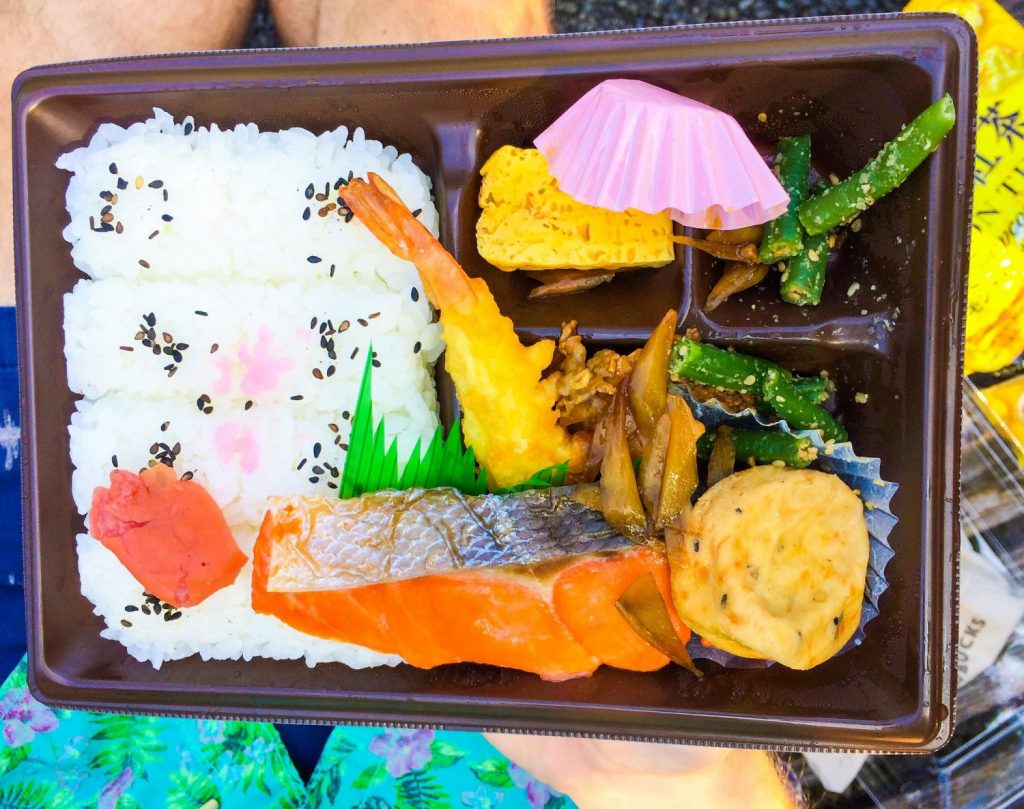
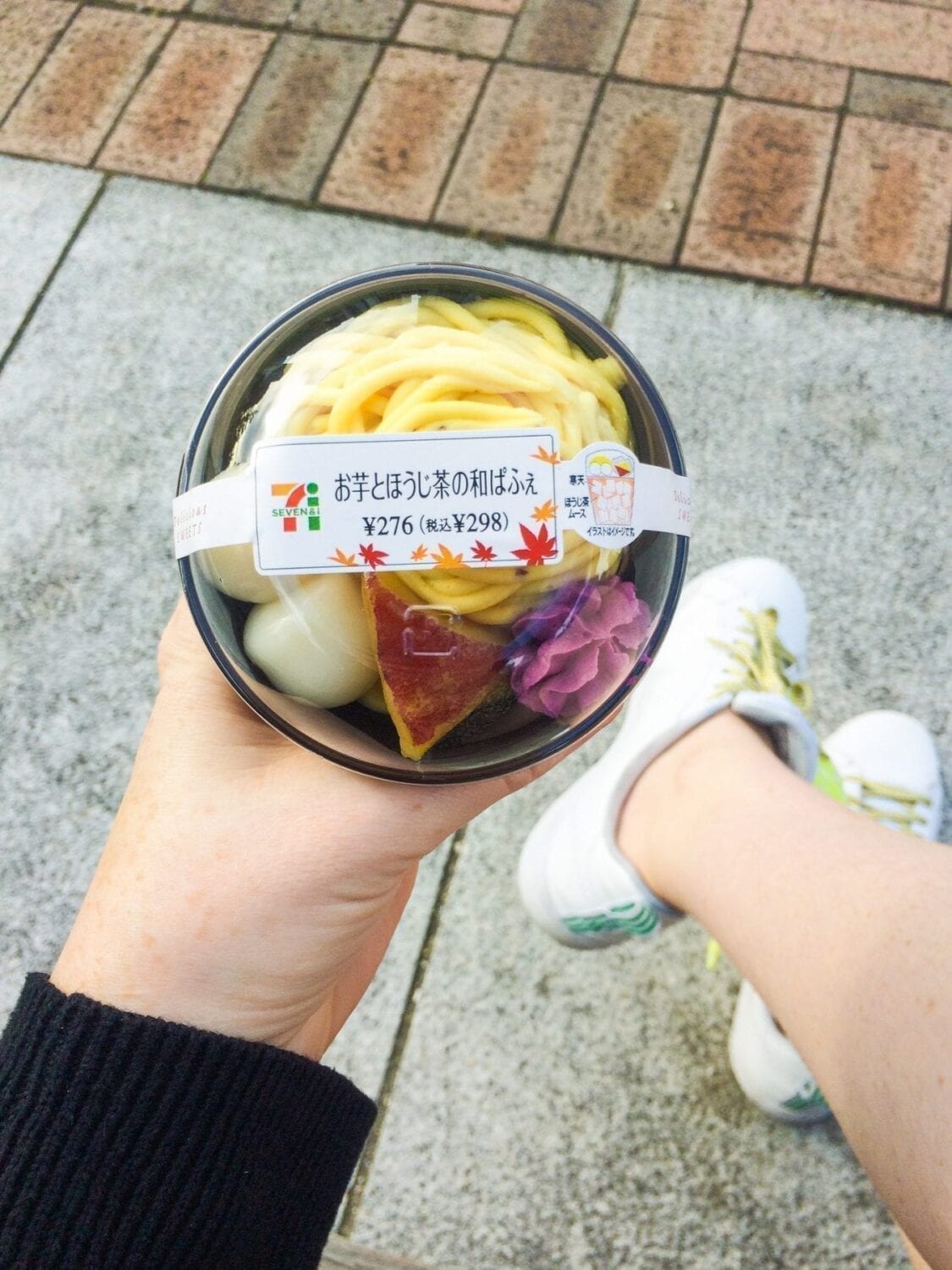
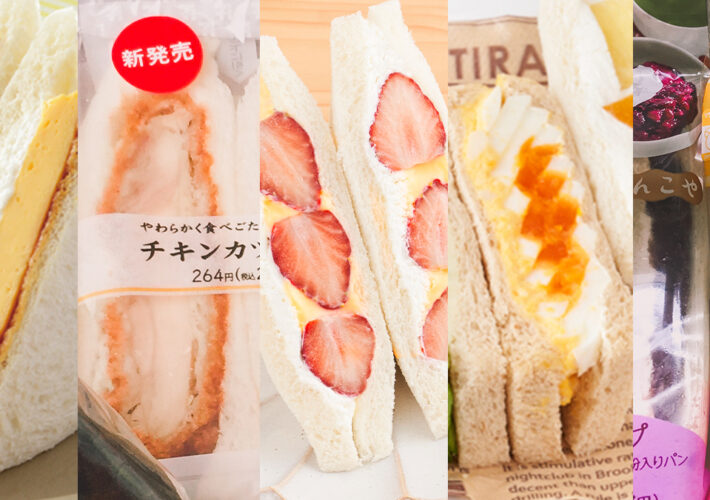
In North America, a convenience store sells little more than candy bars, chips and dreadfully reheated hot dogs. In Japan, the konbini (7-Eleven, Lawson and FamilyMart are the big three) will become your go-to for breakfast, quick snacks and bento boxes good enough for a picnic. They sell proper ready-to-eat meals, many of them better than plenty of sit-down restaurant food back home, and the staff will heat yours up at the counter. A traditional Japanese breakfast is savoury, so expect rice and fish alongside the pastries.
Onigiri, a rice ball often filled with fish and wrapped in seaweed, is cheap and easy to eat on the go. Don’t skip the drinks aisle either. Convenience stores sell alcohol along with everything else, so it’s a good place to try new sake, unusual tea blends and seasonal sodas. The seasonal specialties are worth watching for in general, and never more so than during cherry blossom season, when sakura flavours turn up in everything.
The sweets are the best part. Several chains sell soft packaged pancakes with maple syrup and butter sandwiched in the middle; not traditionally Japanese, but hard to forget. Melon bread (melonpan) makes a good mid-afternoon snack, and on a hot day, try the ice cream, where matcha is the flavour to beat. For something more traditional, look for dango, sweet dumplings made from rice flour, often in several colours on a skewer. Pair them with a hot green tea from the heated cabinet (yes, they keep hot drinks in a warmer) and it’s the ideal thing to eat on a cold day.
9. Bring a Bag for Your Garbage
Buy a drink at a convenience store and drink it on the road, and you’ll soon wonder where to put the empty. Public garbage cans are rare. They were largely pulled from stations and streets after the Aum Shinrikyo cult’s sarin gas attack on the Tokyo subway in March 1995, and for the most part they never came back; some operators have removed more since during security alerts.
The streets stay clean anyway, because people carry their garbage home in a small bag in their purse or backpack. You’ll notice that people rarely eat or drink while walking; they finish at the vending machine or outside the convenience store and use the bins there. Follow suit, and when you do find a bin, expect three or four slots for sorting and use the right one.
10. Smoking Has Moved Into Its Own Rooms
Smoking used to be a real nuisance for visitors, with smoky restaurants and stale-smelling hotel rooms. The rules changed in April 2020, when a revised Health Promotion Act banned smoking indoors at restaurants, hotels and offices except in designated smoking rooms. Tokyo’s own ordinance goes further, banning smoking in restaurants that have employees, which covers roughly 84 percent of the city’s eateries.
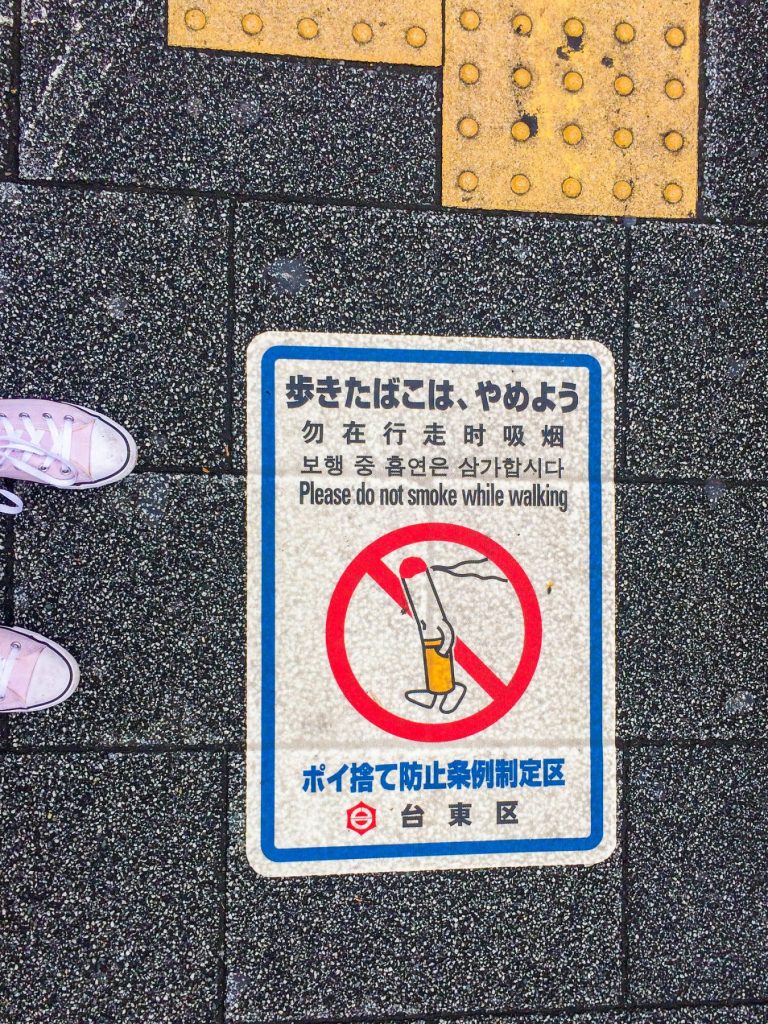
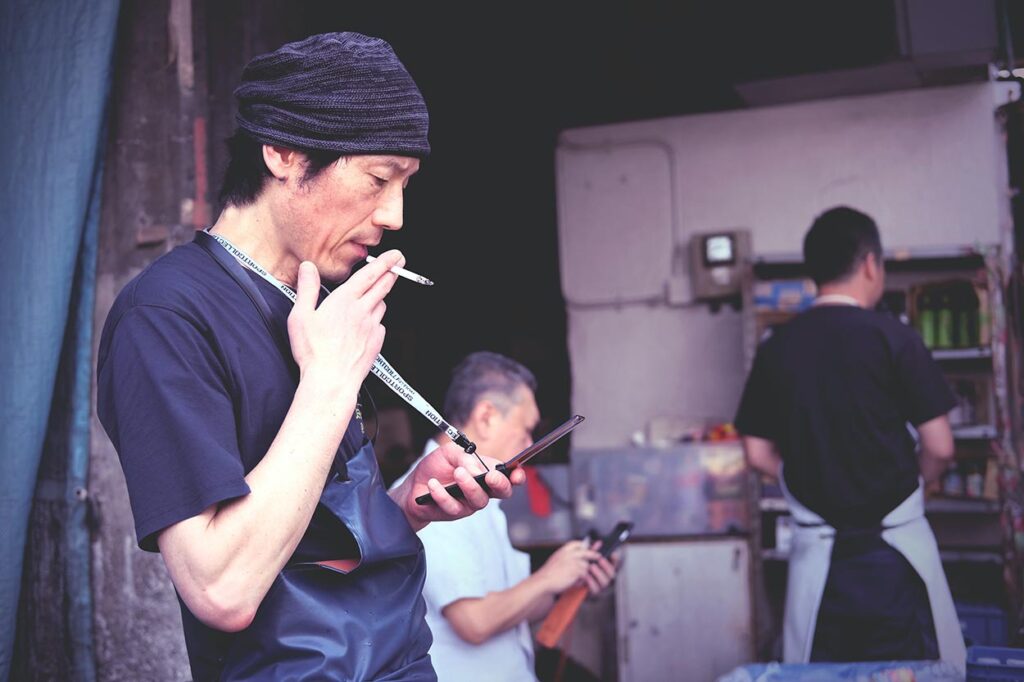
There are gaps. Small, existing bars and restaurants can still allow smoking if they post a sign, and as of late 2022 only about a third of izakaya and a quarter of bars nationwide were smoke-free. Hotel guest rooms are also exempt from the ban, so request a non-smoking room when you book. Attitudes were shifting even before the law: in 2017, a Tokyo marketing firm called Piala began giving its non-smoking staff six extra days of paid leave a year to make up for colleagues’ cigarette breaks, which took about 15 minutes each because the office was on the 29th floor and the smoking area was in the basement.
11. The Toilets Live Up to the Hype
If you know anyone who has been to Japan, you’ve probably heard about the toilets. Modern Japanese toilets are sleek electronic devices, and the standard model comes with a keypad of symbols to raise the lid, raise the seat, choose a large or small flush, run the rear or front bidet, dry, and stop. Public washrooms are generally very clean, which makes a pleasant change if you’ve ever dreaded the ones back home. A few squat toilets remain, mostly outside the big cities. On rare occasions you’ll find a stall with no toilet paper, so check before you commit, and look for a vending machine outside if you need to buy some.
Japan will still find ways to make you feel slightly lost, whether it’s a restaurant on a street with no name or a ticket machine with more buttons than you expected. But arrive with a data connection, an IC card, some yen in your wallet and a few words of Japanese, and the looked-after part wins out. The trains will leave on the second, the convenience store will feed you better than you deserve, and someone will probably walk you to the door you were looking for.



Leave a Comment