

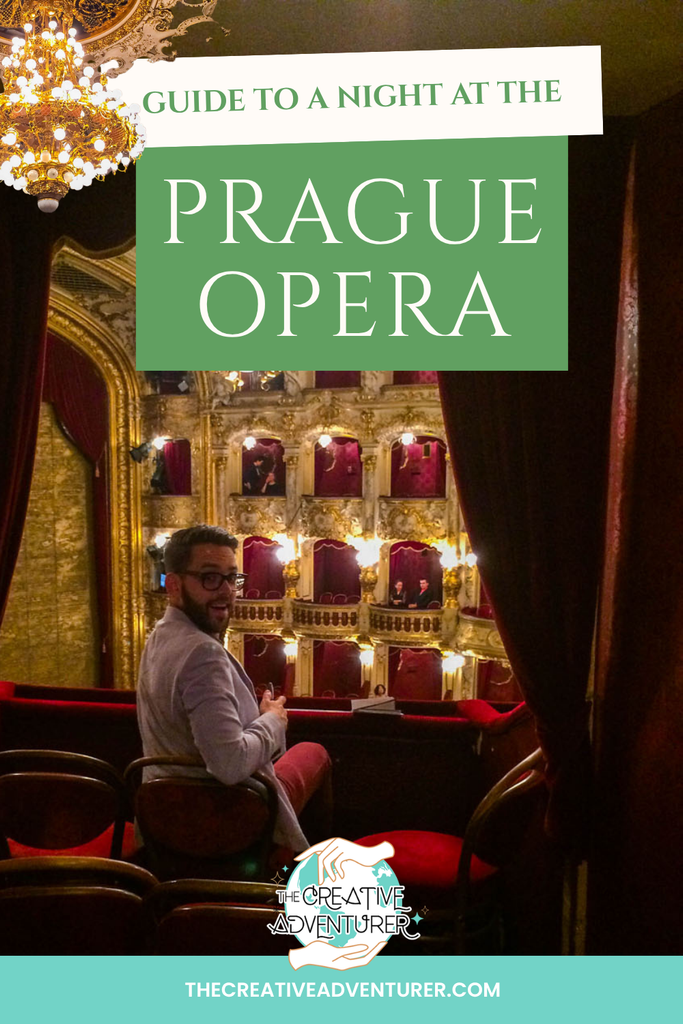
Dressed in our best, in a box that felt lifted from The Phantom of the Opera, we spent our first evening in Prague at the State Opera. We had both brought fancy clothes for just this type of occasion, so we made a night of it and set off for a night on the town. I love the theatre but don’t go to the opera often, yet when opera is such an integral part of a city, it feels like a MUST.
If you’re planning your own night at the opera in Prague, this guide covers what’s on and when, how to buy tickets, what they cost and where to sit, along with a look inside the gilded neo-Rococo interior that makes the State Opera one of the most beautiful theatres in Europe.
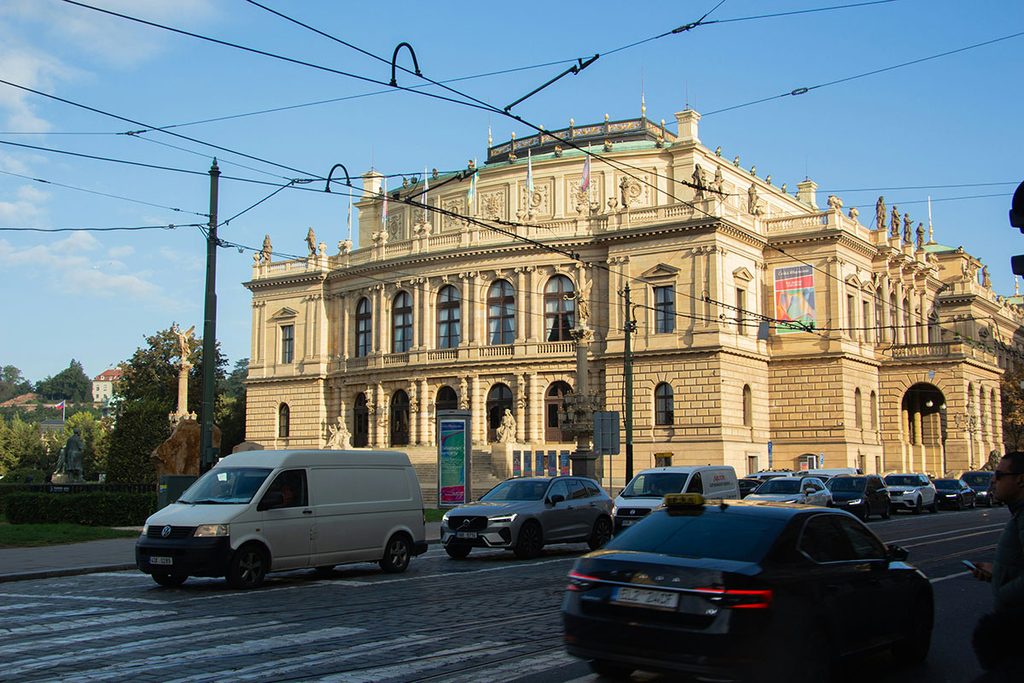

History of the State Opera
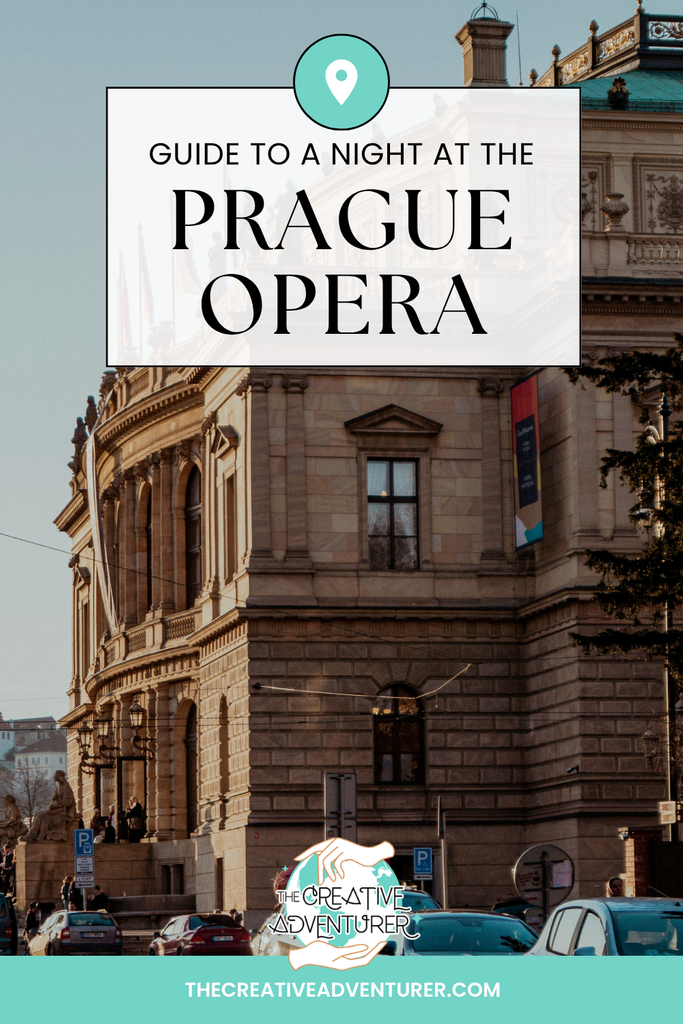
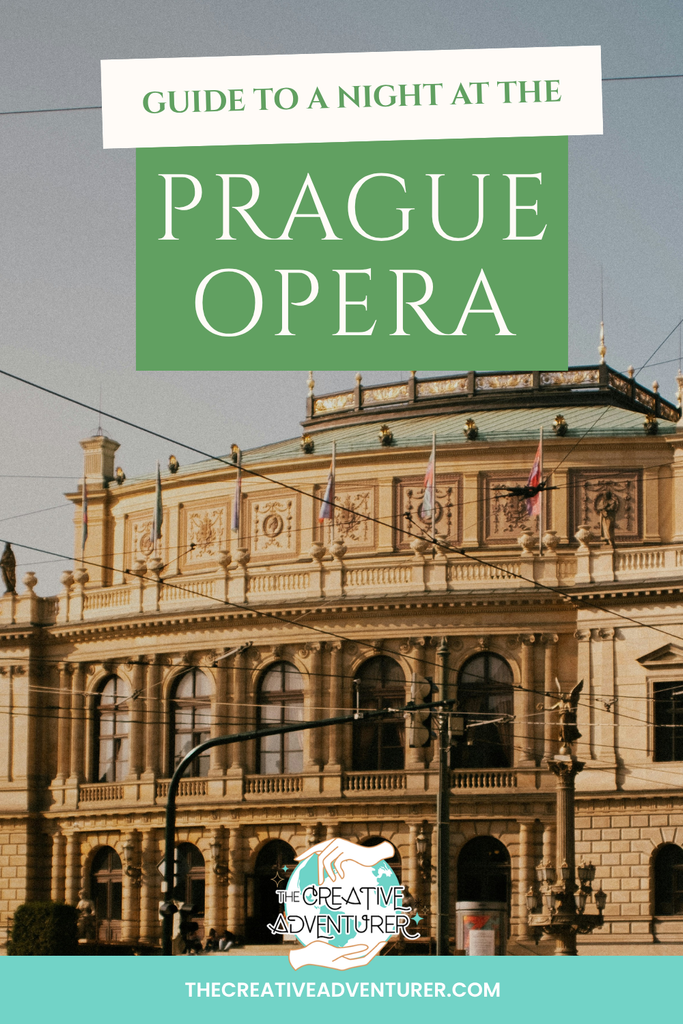
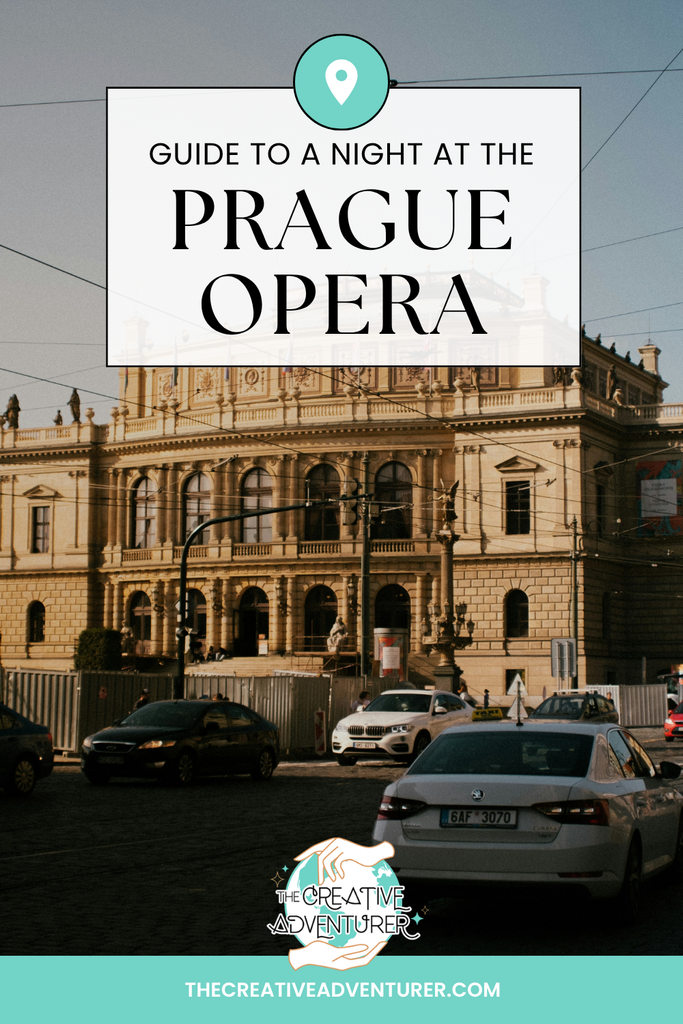
The State Opera in Prague opened in 1888 as the New German Theatre. Although the outside of the building is rather drab, it is nothing compared to the incredible neo-Rococo decoration of the interior. The façade was originally decorated with busts of the writers and composers Goethe, Mozart and Schiller, as well as figures from mythology, always significant in opera, such as Pegasus, Icarus, Cupid, Athena, Leda and others.

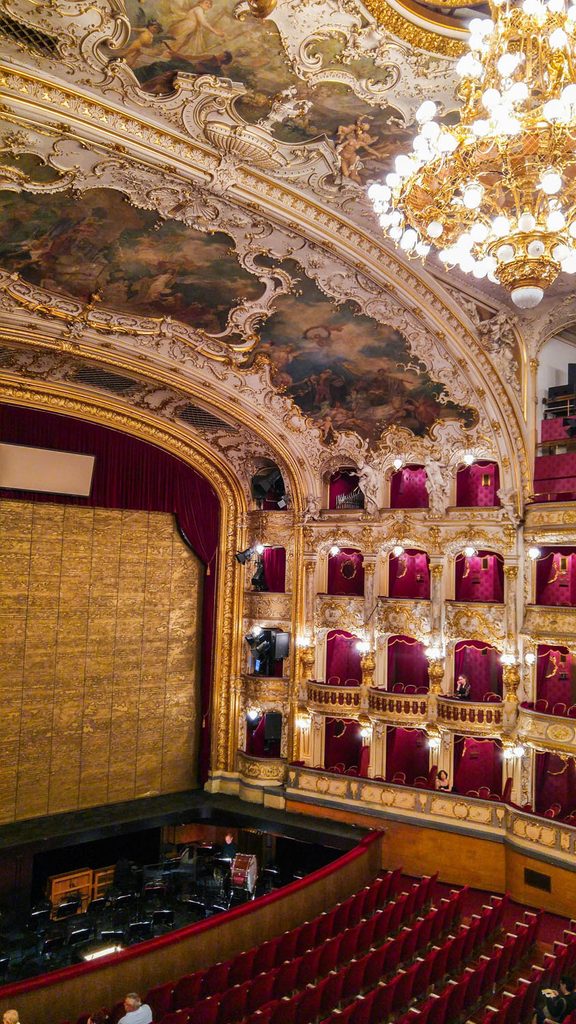
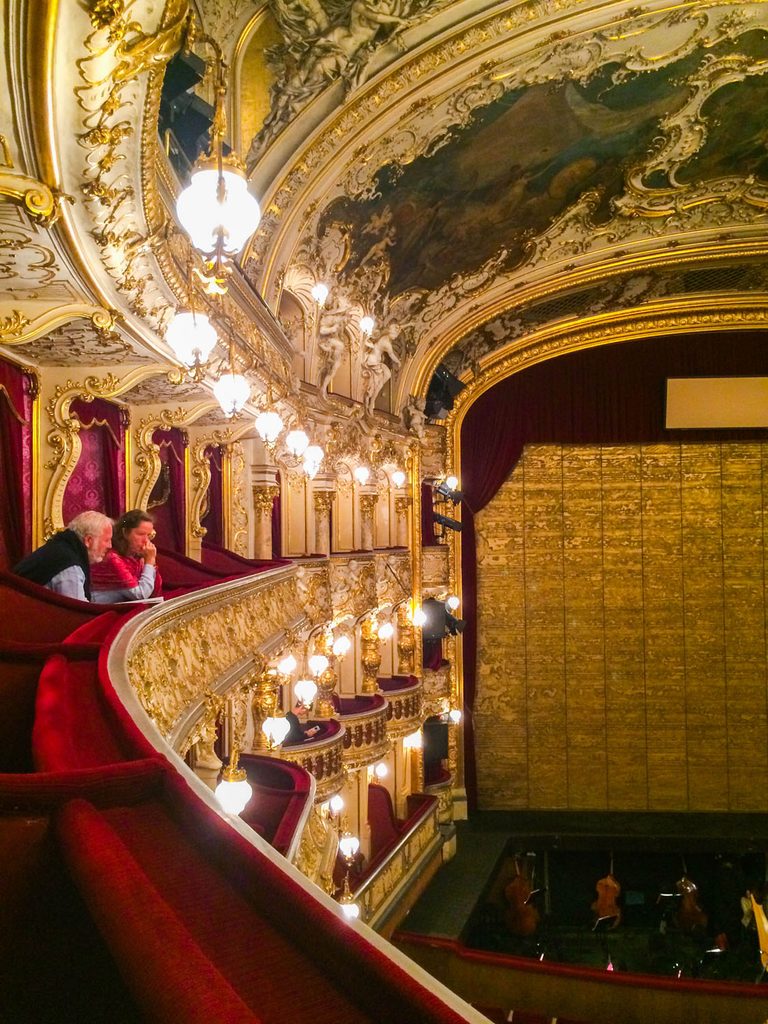
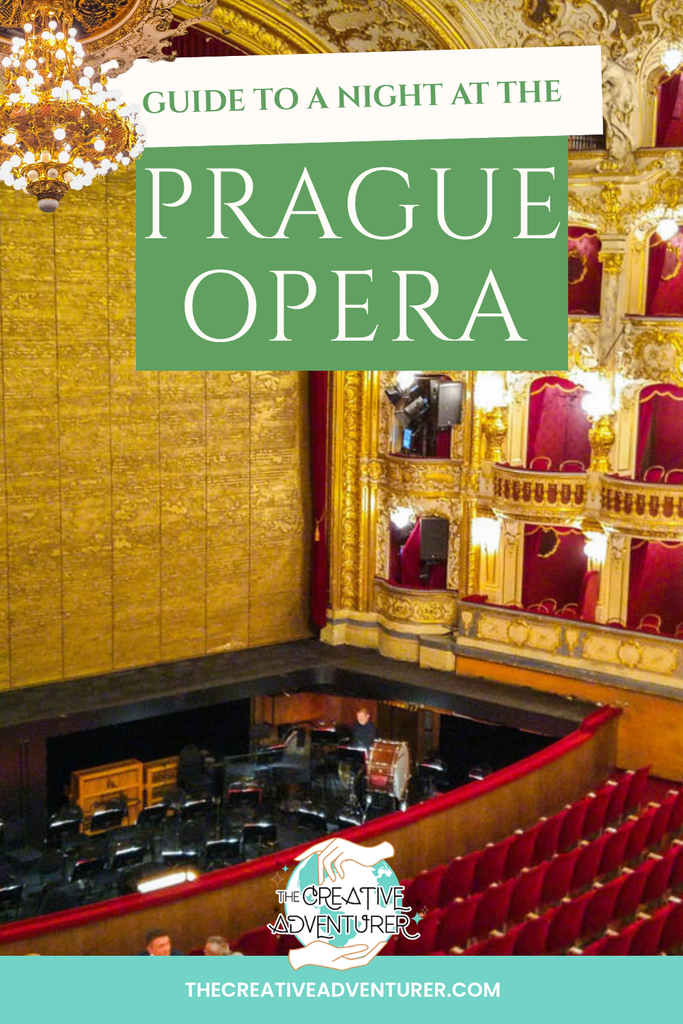
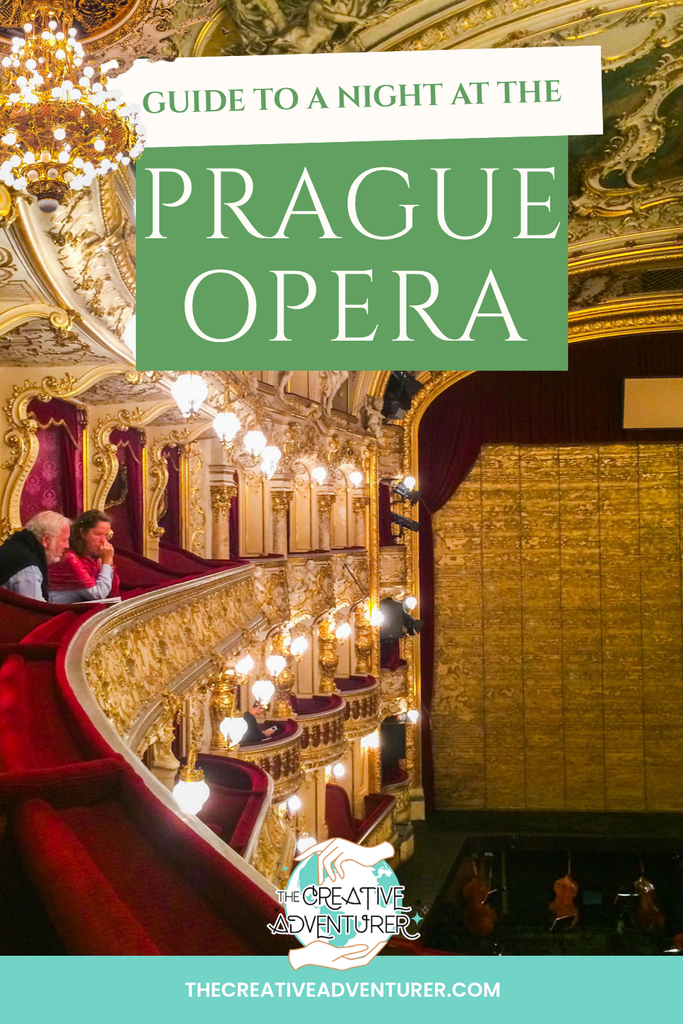
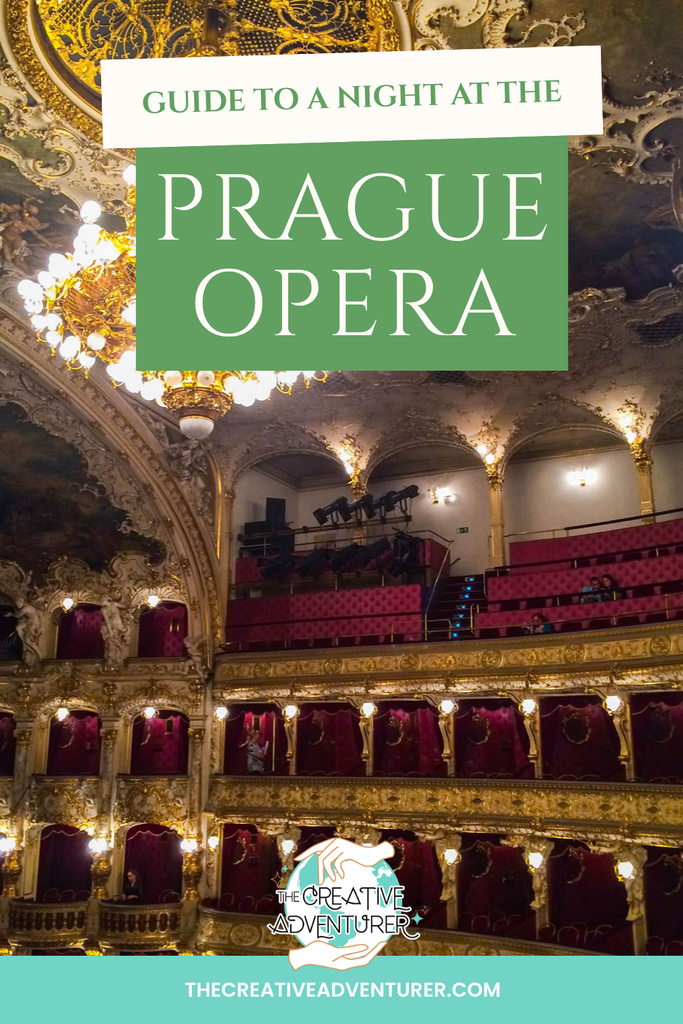
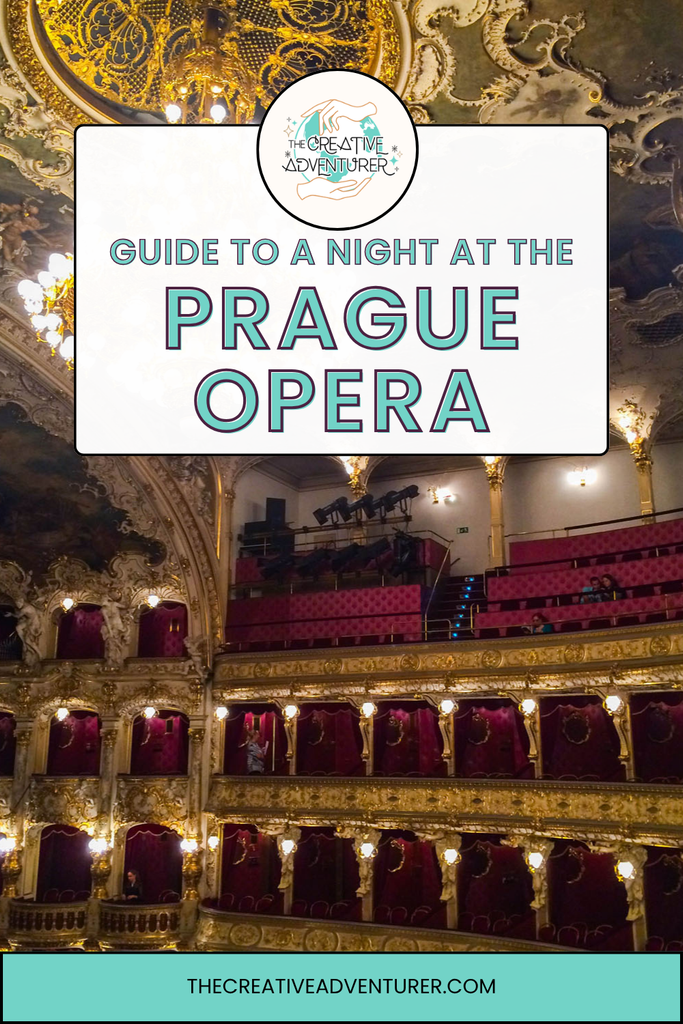
The interior has made this building known as one of the most beautiful theatres in Europe. Construction began in 1886 on plans by the Viennese firm Fellner & Helmer, who designed theatres across Central Europe, with Prague architect Alfons Wertmüller building it. The result is a fury of gold and stucco.
Inside, there is plenty of stucco and gilding. Asymmetrical designs grow like flowers across the ceiling and along the balconies. They are graceful and almost weave your mind into a lullaby as you look at them. Inside the larger designs on the ceiling are painted allegorical scenes.
When the Opera opened on 5 January 1888, Wagner’s Die Meistersinger von Nürnberg was the first performance. The night we visited, we were off to see Carmen, an opera by French composer Georges Bizet. Although written by a Frenchman, it is set in southern Spain and follows Don José, a naive soldier seduced by a sultry Romani woman named Carmen.
Info Before You Go
- Where: Wilsonova 4, Prague 1, beside the National Museum at the top of Wenceslas Square. Take Metro lines A or C to Muzeum, or daytime trams 11 and 13.
- Dress: Most guests dress smartly for the opera. You won’t be turned away if you’re more casual, but skip sportswear and jeans.
- Tours: Daytime tours run about 50 minutes, in English on set dates. Arrive punctually, because latecomers can’t join once it starts. In July and August, tours run only on published dates.
What’s On and When
The State Opera stages opera, ballet and the odd concert most evenings through the season. Productions rotate, so Carmen, which we saw, isn’t on the current schedule. Here is a sample of what the National Theatre lists for the coming months (as of November 2026); evening performances typically start at 7 pm.
| Tosca | Opera | 4, 6, 13 and 19 Nov at 7 pm; 6 Dec at 6 pm |
| Idomeneo | Opera | 12–28 Nov at 7 pm |
| Nabucco | Opera | 14 Nov at 6 pm, with more dates into mid-December |
| Mahler, Schönberg, Zemlinsky | Concert | 26 Nov at 7 pm |
| Hänsel und Gretel | Opera | 4 Dec–1 Jan at 5 pm |
| La bohème | Opera | 10 Dec–3 Jan at 7 pm |
| The Nutcracker – A Christmas Carol | Ballet | 27 Dec–16 Jan at 3 pm |
| La traviata | Opera | Select dates from mid-November through March 2027 |
| Parsifal | Opera | 13 and 26 Mar, 3 Apr 2027 |
The Tosca performances we found listed carry English surtitles, which helps if you don’t speak Czech or the opera’s original language.
How to Buy Tickets
- Check the programme. The National Theatre runs the State Opera, so its website is the place to see dates and available seats.
- Book online for e-tickets. You can buy a ticket on the National Theatre website and keep it on your phone. Printed tickets can be collected at the National Theatre’s box offices.
- Mind the sale dates. Tickets are sold up to six months ahead, and sales for each new month open on the 1st at 9 am (on the 2nd in January). Right now, performances through March 2027 are on sale.
- Or buy in person. The State Opera box office is at Legerova 75, open Monday to Friday 9 am to 6 pm and Saturday to Sunday 10 am to 6 pm.
- Book early for popular dates. Dates can sell out, as some of the State Opera’s guided tours have, so book early for the evening you want.
How Much Tickets Cost
Prices depend on the production, the date and where you sit. Current listings show Tosca at 490–1,490 CZK, La traviata at 550–1,590 CZK and Rusalka at 490–1,390 CZK, and across the season the range runs from roughly 300 CZK for the cheapest seats up to about 2,000 CZK for the best. Booking through the National Theatre or its listed ticket network keeps you at face value. A guided daytime tour of the building, if you want the interior without an evening performance, costs about 160–260 CZK.
Box seats, as we found, can be a modest step up from regular seats, and the lowest-priced seats are usually the side or reduced-visibility ones, so look closely at the seat map before you pick on price alone.
Where to Sit
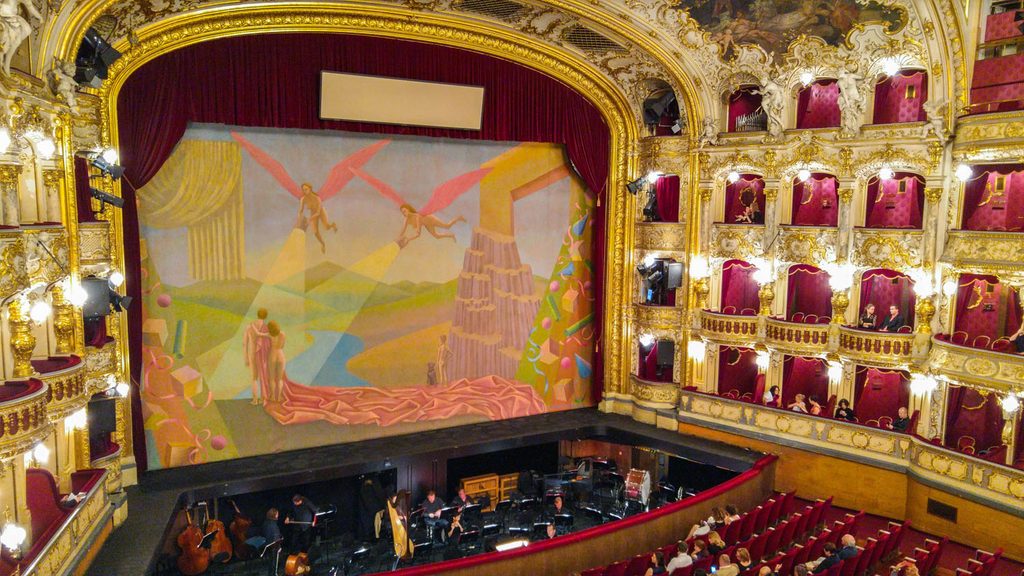
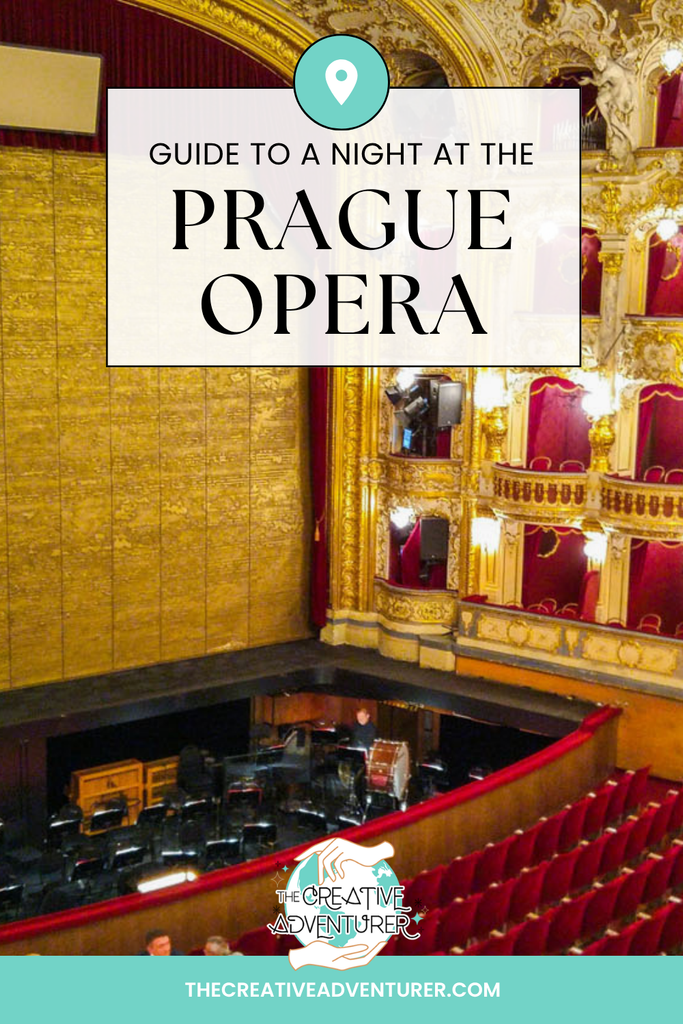
The horseshoe-shaped auditorium seats just over 1,000 people across the stalls, tiers of boxes and balconies, and the galleries above. The seating plan on the booking page shows each zone, and a few rules of thumb help you choose.
- Stalls (ground floor): The National Theatre’s price zones have put the upper two-thirds of the stalls in a top category, while the remaining third is priced lower. Central stalls seats generally give the most direct view of the stage.
- Middle balcony: The front rows of the middle balcony are also in the top price category and give a broad view over the stage from above. Rows at the back and the side balconies cost less, and seats behind pillars are in the lowest zone.
- Boxes: The boxes are the most atmospheric seats, with a view of the gilded auditorium and the audience. Visitors who have posted view photos say the front row of a box has a good angle on the stage, although the far side can be partly hidden. Take a front-row seat if you can.
- Galleries and side seats: These are the budget options. Check for notes such as reduced visibility or limited sight of the surtitles before booking.
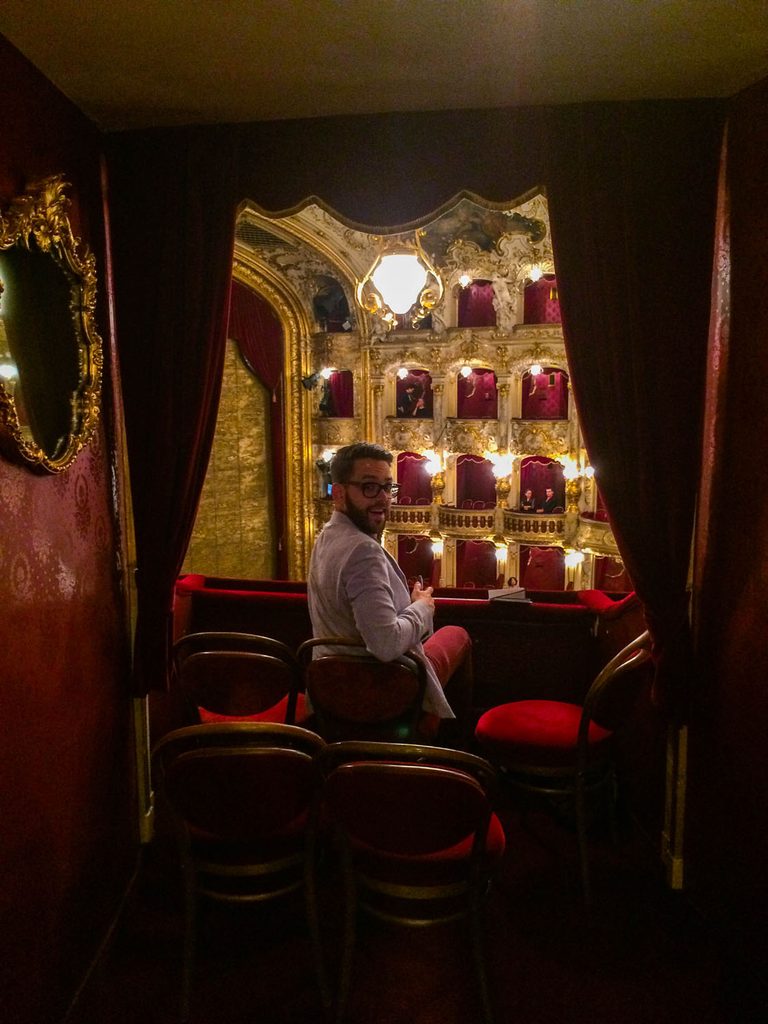
We chose a box, since the cost was only a little above regular seats, and it added to the sense of occasion. The seats weren’t the most comfortable, but the booth was something special.
Our Night: The Production
The production was beautifully designed, well sung and touched on the comedic aspects with dexterous aplomb. We had bought box seats since they weren’t much more expensive than the regular ones, and we knew we wouldn’t have many chances to experience this luxury! And luxurious it was. The seats weren’t the most comfortable, but the box itself was like something out of The Phantom of the Opera, and the ornate decoration in the booth made you feel like someone special.
Exploring the Opera House
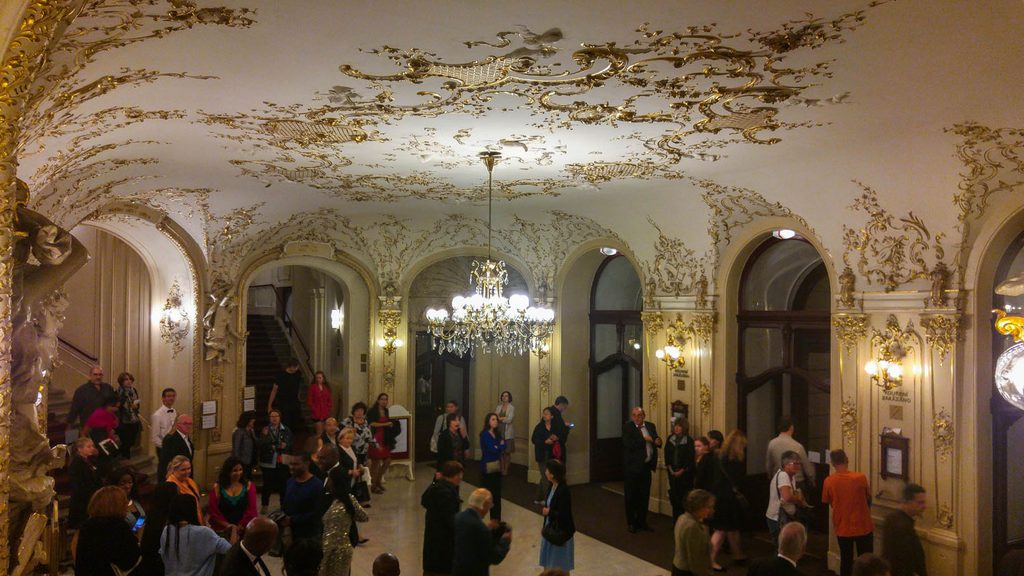
During intermission, we got to admire the detailing around the Opera house. Outside the main theatre there was only white and gold colouring, and one can only imagine how it looked when the elite of Prague came to the Opera in their colourful finery. We got a few snacks to enjoy through the rest of the show. I was amazed by how compelling the production was; even Dan seemed to enjoy the whole thing. After it was over, we were exhausted from a long day of travel, sightseeing and smiling.


Opera is so integral to Prague that dressing up for an evening at the State Opera felt like a must, and it delivered: gold and stucco, a box seat fit for someone special, and a Carmen that held even a reluctant opera-goer’s attention. Whether or not you’re a regular, a night in these gilded surroundings is one of the city’s great treats.



Leave a Comment