

Dresden is one of the most underrated cities in Europe. I went for the history, fell in love with the city in every way, and was shocked that everyone wasn’t flocking to it. Sometimes called the “Florence of the North” (or, more often, the “Florence on the Elbe”), Dresden was once the capital of one of the wealthiest and most important states in the region. It drew artists and architects from all over Europe, who threw their creativity onto the walls of the city. But such splendour came at a cost: in February 1945, Dresden was bombed almost beyond recognition. Since then, decades of rebuilding, with a major push after German reunification, have returned much of the historic centre to its 18th-century glory.
Some people find the result a bit like a living museum, which is exactly what I liked. I always try to imagine what historic cities would have felt like in their day, and here in Dresden you get a real taste of it, only with wifi. The city is bursting with gorgeous architecture, but it also has its fair share of cute cafés, bars and restaurants ideal for Instagrammers. Here are some of my favourite locations that photo-savvy travellers must visit on their next trip to Dresden, moving from the rebuilt Baroque grandeur of the Old Town to the bohemian courtyards and street art of the Neustadt.


Old Masters Gallery
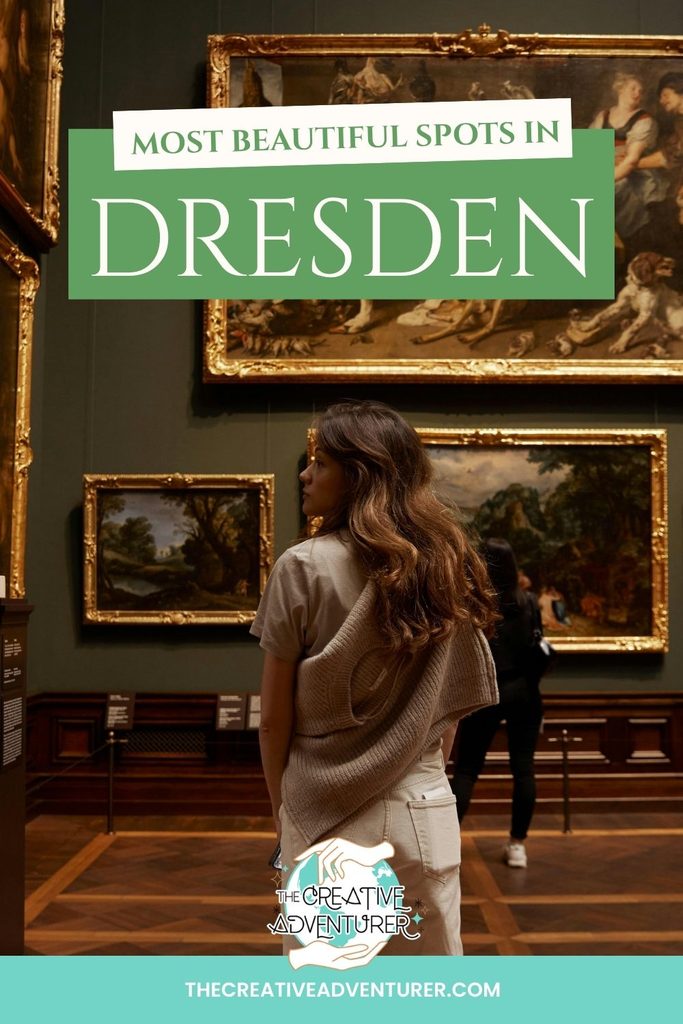
The Gemäldegalerie Alte Meister (or Old Masters Gallery) is honestly the best art gallery I have ever had the pleasure of visiting. It doesn’t feel too big or too small. It’s like a grand old home that someone has decorated with exquisite pieces of art, a stellar collection that’s lovingly curated. While it may seem much smaller than the Louvre or the Prado, there are roughly 700 paintings on display, ranging from the 15th to the 18th century. Treasures from major Italian Renaissance artists, Dutch and Flemish masters, and works by German, French and Spanish painters combine to form this hidden gem in Dresden. Standing amongst these iconic images feels like standing inside a great storybook, and it makes for an incredible photo.

Coselpalais
Food and architecture fans will find common ground at the Coselpalais. The palace has been reconstructed in late Baroque style, and it now serves as a charming café and restaurant in the Old Town. The original building dates to the 1760s and looks like a buttercream-yellow castle out of Beauty and the Beast. Grab a latte and a fanciful slice of cake served on iconic Meissen porcelain, then enjoy the views all around you from the terrace in the Baroque courtyard under blue skies. If you’re after a traditional German treat, ask for the apple cake with streusel, if it’s on the menu that day.
Brühl’s Terrace
Brühl’s Terrace is known as the “Balcony of Europe.” This elevated platform stretches for about 500 metres along the banks of the Elbe River, from the Augustus Bridge to the spot where the Carola Bridge stood before its collapse in 2024. Here you’ll see tourists and locals alike strolling down the promenade and enjoying the fantastic views. The terrace began in the 16th century as part of the city’s fortifications, built to protect Dresden from invaders.
In the 18th century, Count Heinrich von Brühl transformed it into a terraced garden, and in 1814 it was opened to the public as the pedestrian walkway we know today. Along this riverside path, the iconic skyline of the city is framed in front of you, with gorgeous flowerbeds adding colour along the way. At Christmas, the markets around the Frauenkirche and Münzgasse lead you right up to the terrace, which makes the holidays an especially exciting time to visit.

Münzgasse
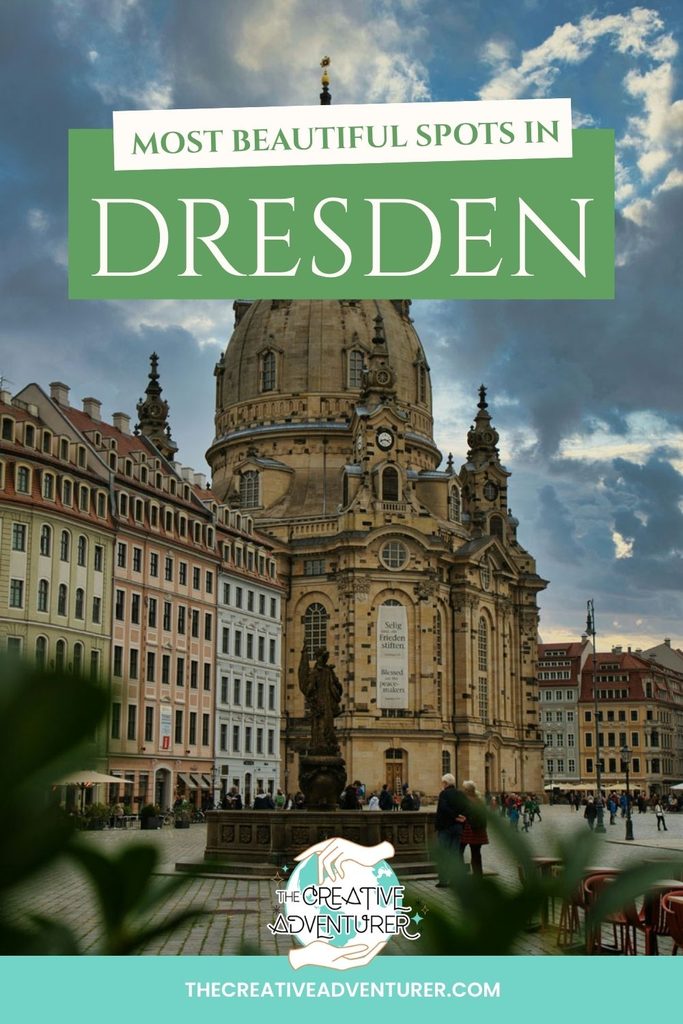
Münzgasse is a lane in the Old Town that runs from the Frauenkirche down to Brühl’s Terrace, just steps from the Elbe, and it feels almost too curated to be real. The buildings flanking the street frame the dome of the Frauenkirche perfectly, and walking down it feels like stepping into a painting. On either side of the pedestrian lane are bars and touristy restaurants that, in my experience, aren’t worth your money, but they do provide the backdrop for this stunning scene.

Zwinger
Münzgasse is a lane in the Old Town that runs from the Frauenkirche down to Brühl’s Terrace, just steps from the Elbe, and it feels almost too curated to be real. The buildings flanking the street frame the dome of the Frauenkirche perfectly, and walking down it feels like stepping into a painting. On either side of the pedestrian lane are bars and touristy restaurants that, in my experience, aren’t worth your money, but they do provide the backdrop for this stunning scene.

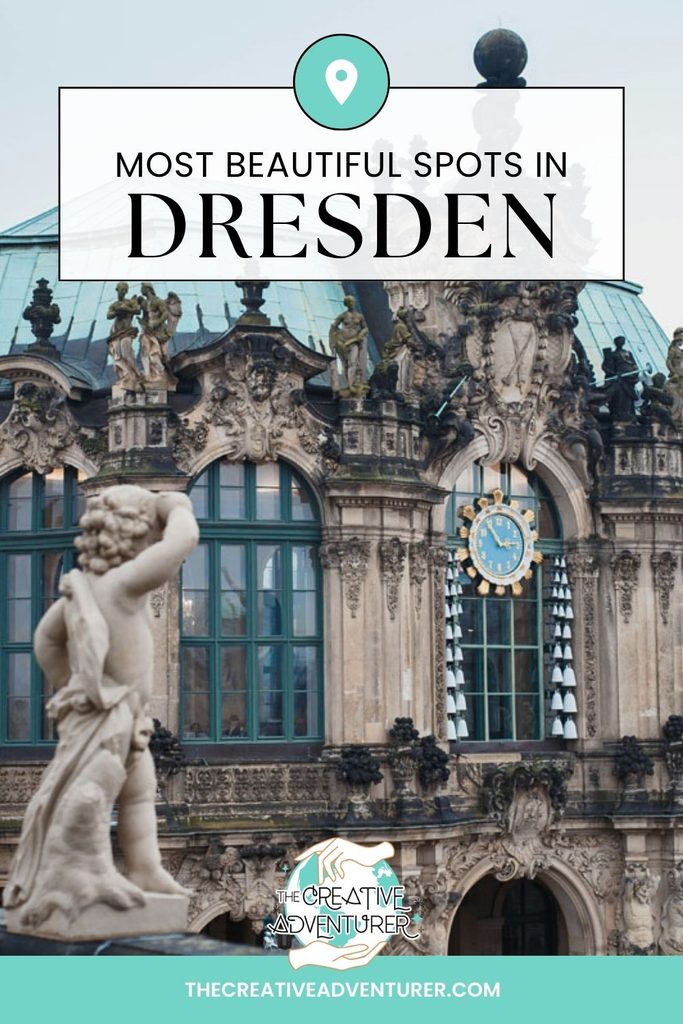
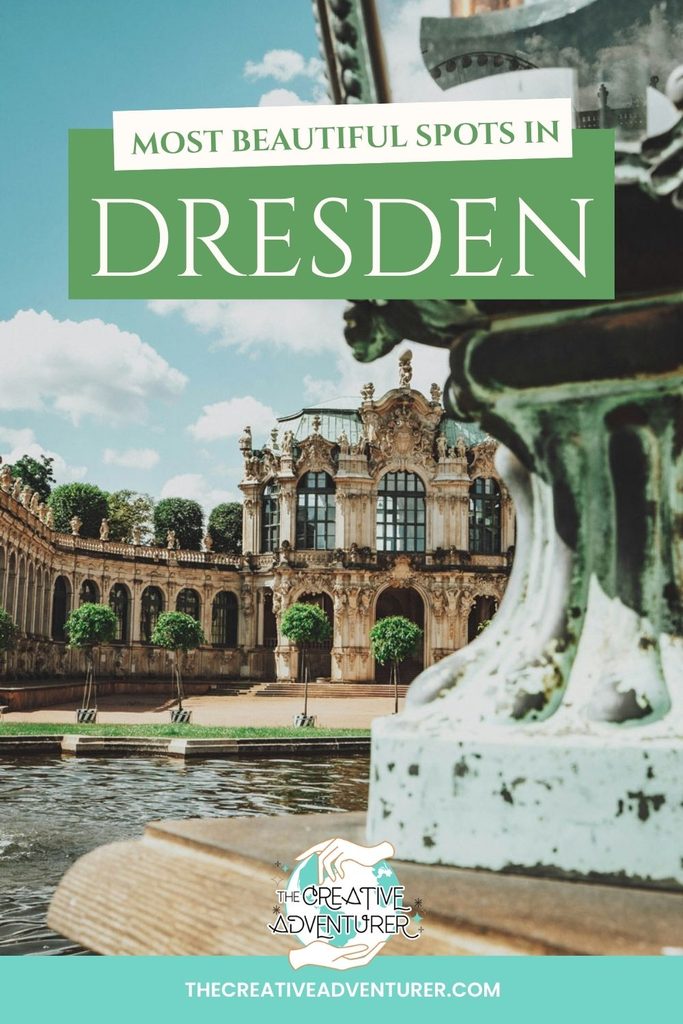
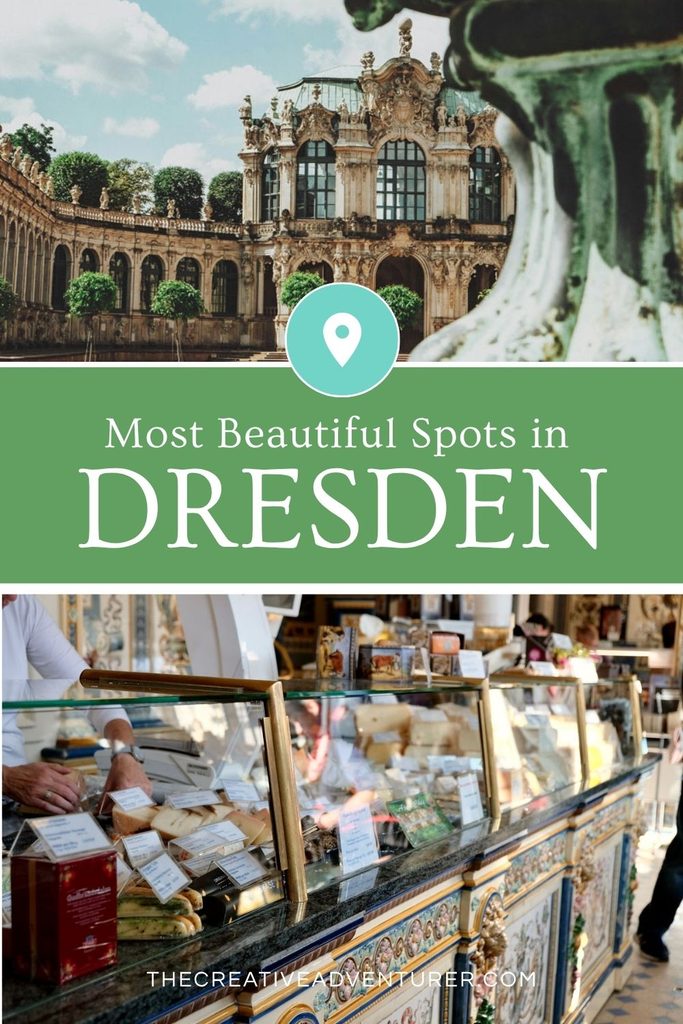
The Zwinger was designed by Matthäus Daniel Pöppelmann, with sculpture by Balthasar Permoser, and it began as an orangery and a stage for court festivities. That shows in the Baroque design, which embraced curves and elaborate ornament, amped up the drama and added a sense of play. The architecture seems to be in motion, and the dramatic curves make the viewer feel as though the building is alive. Sculpted figures appear in so many parts of the Zwinger, from the muscled atlantes of the Wallpavillon to the nymphs and mythological figures of the Nymphenbad fountain. Construction began in 1710 and took 18 years to complete. Anywhere you look there are gorgeous shots to be found, and since the Zwinger is so large, it’s easy to find more private spaces, ideal for framing that perfect shot.

The Royal Palace
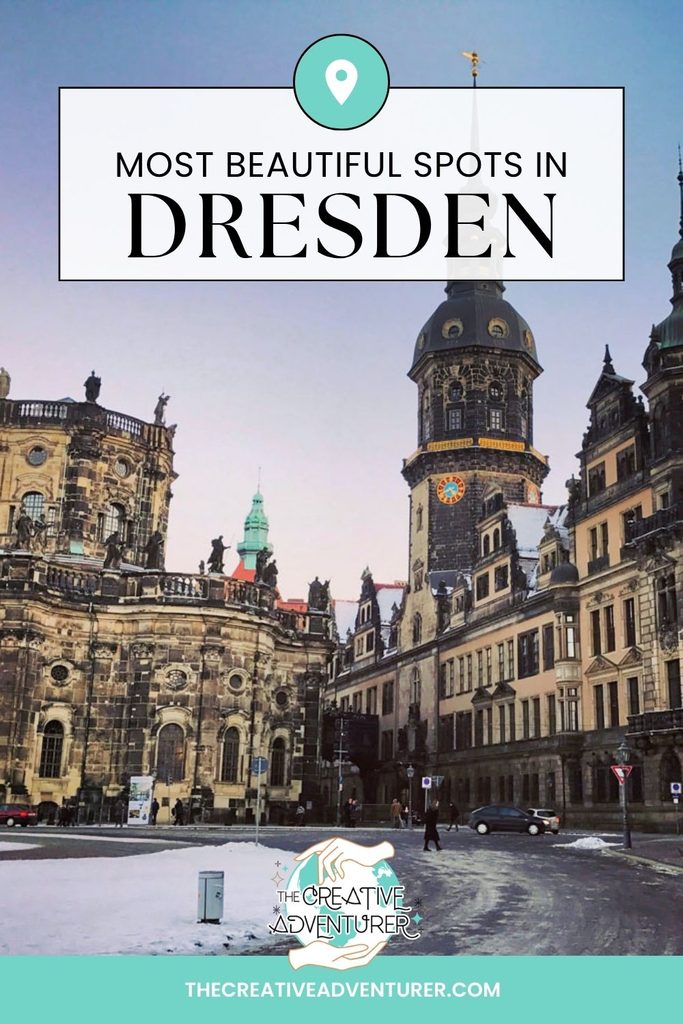
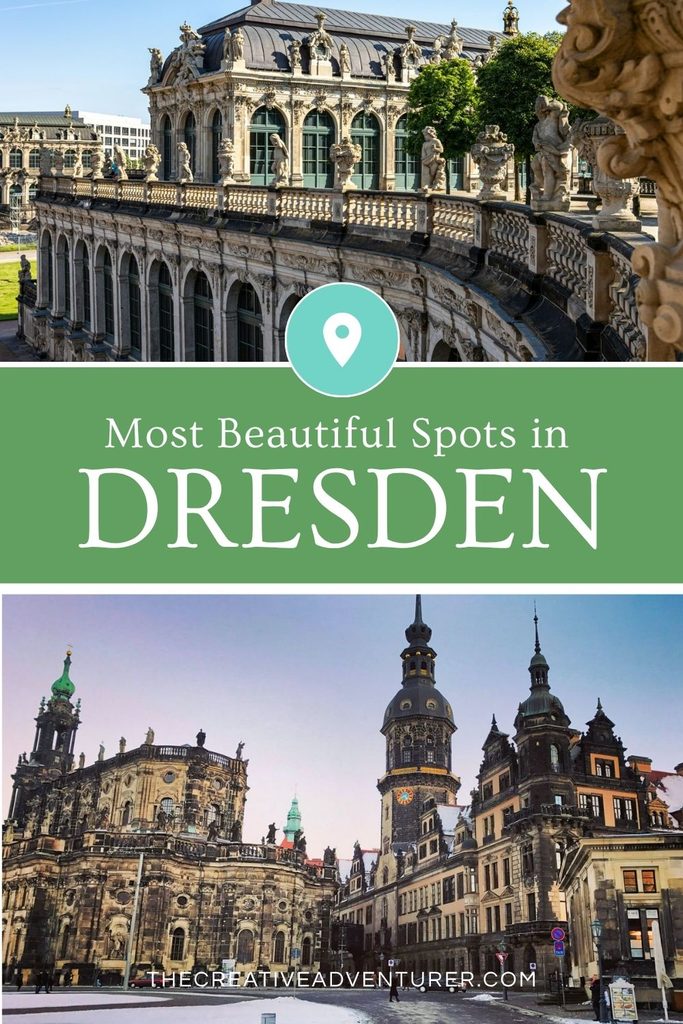
The Royal Palace is one of the oldest buildings in Dresden, with origins in a Romanesque keep built around 1200. Additional wings were added over the years, creating an almost patchwork quilt of architectural styles, from Romanesque and Renaissance to Baroque and Neo-Renaissance. These days, the royal family no longer resides inside. Instead, the building holds a museum complex where you can explore the Green Vault treasury, the Armoury and the Turkish Chamber, as well as collections of prints, drawings and photographs. The exterior of the Palace is where the real visual treat lies. It’s fascinating to see this Palace so integrated with the rest of the city, instead of walled off like so many other royal residences around Europe.

Procession of Princes
Along Augustusstraße, you’ll find one of the greatest remnants of old Dresden, the Procession of Princes. This mural, roughly 102 metres long, depicts the story of Saxony through the men who built, governed and shaped it: 35 margraves, dukes, electors and kings of the House of Wettin, along with scientists, artisans, craftsmen and farmers. Made of about 23,000 Meissen porcelain tiles, it is considered the largest porcelain artwork in the world. The mural was first painted in sgraffito between 1871 and 1876, but it faded quickly, so it was recreated in porcelain between 1904 and 1907. Shockingly enough, the tiles withstood the great bombing of Dresden in WWII with only minimal damage, making it one of the great survivors of old Dresden. Today it’s still one of the most striking images you can find in the city.

Royal Stables
Just behind the Procession of Princes is the Stallhof and Langer Gang, the courtyard of the Royal Stables. Built between 1586 and 1591 for Elector Christian I, it was used as a tournament ground, and it is one of the oldest surviving ones in the world. Some of the most exciting jousting took place here, where the Saxon court and its guests came to be entertained. Today, the courtyard hosts Dresden’s Medieval Christmas Market. If you’re lucky enough to be visiting during the holiday season, you’ll be rewarded with one of the most magical sights in the world. There really is nothing like a Christmas market in Europe when the snow is falling and catches the twinkling fairy lights as it touches the ground. But throughout the rest of the year, the architectural curves and the effect of the light in the arcade are out of this world.

Neumarkt
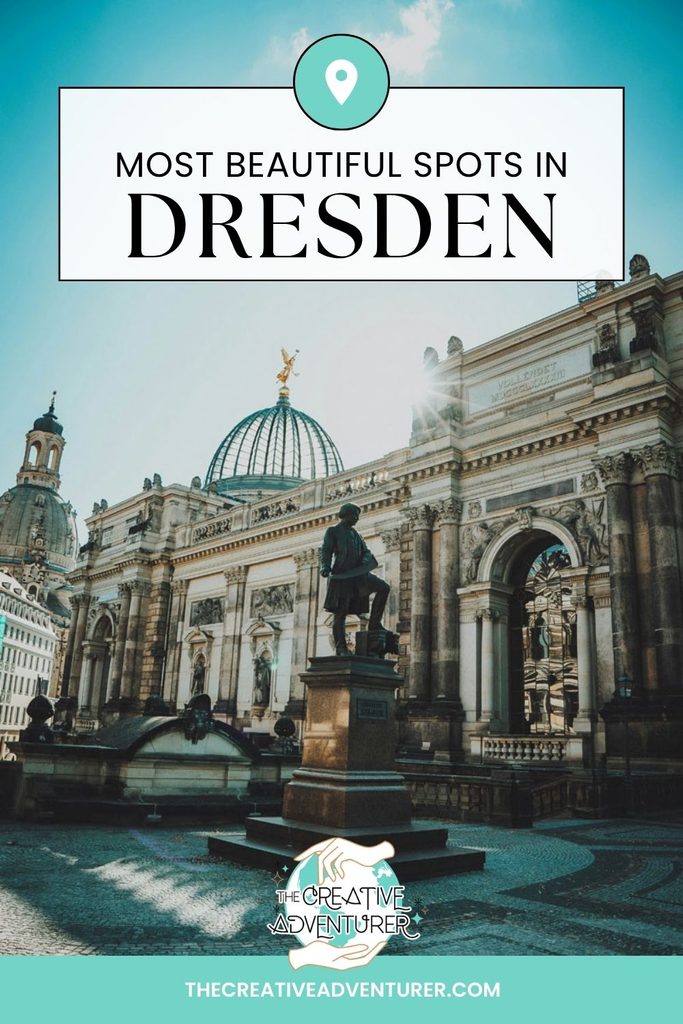
The Neumarkt is the cultural centre of Dresden’s historic district. The square took shape in the Renaissance and matured into a Baroque ensemble, and its houses are now being rebuilt with faithful recreations of the original façades. In their soft pastel colours, it feels like walking through a miniature buttercream village. In the centre of the square stands the iconic Frauenkirche, which collapsed after the bombing in 1945 and lay in ruins for decades. After the war, committed locals and preservationists salvaged and catalogued stones from the rubble, and when rebuilding began in 1994, thousands of those original stones were set back into the church, which was reconsecrated in 2005. Their weathered, blackened surfaces still speckle the golden sandstone, a reminder of the original structure that so many people helped preserve for future generations.

Pfunds Molkieri
Across the river in the Neustadt, Pfunds Molkerei is covered floor to ceiling in the most incredible hand-painted Villeroy & Boch tiles, and it holds the Guinness World Record for the most beautiful dairy shop in the world. The Pfund brothers founded their dairy in 1880, and Paul Pfund was the first in Germany to produce condensed milk. The shop opened in 1892 and came through both world wars untouched. Decades of neglect followed under East German rule, so it was restored after reunification, and only about five per cent of the tiles had to be replaced. Now, visitors can come to see and taste the extraordinary place which is Pfunds Molkerei. Guests can try fresh milk, cheeses and other regional specialities.
Neustadt Street Art
While most of Dresden’s historic Old Town was destroyed in WWII, the “new” town across the river was largely spared. Despite its name, many of its buildings are older than the reconstructions found in the Old Town: the area was rebuilt and renamed “new town” after a fire destroyed Altendresden in 1685. Neustadt remains a bohemian stronghold in Dresden, and even today it’s where you can find some of the coolest shops, bars and exciting nightlife. But if those things aren’t for you, just wandering the streets is a feast for the eyes. Neustadt has become a popular neighbourhood for local street artists, who bring otherwise boring walls to life with colours, textures and even sculptural details. You can find some of the liveliest street art in Dresden right here.
Kunsthof Passage
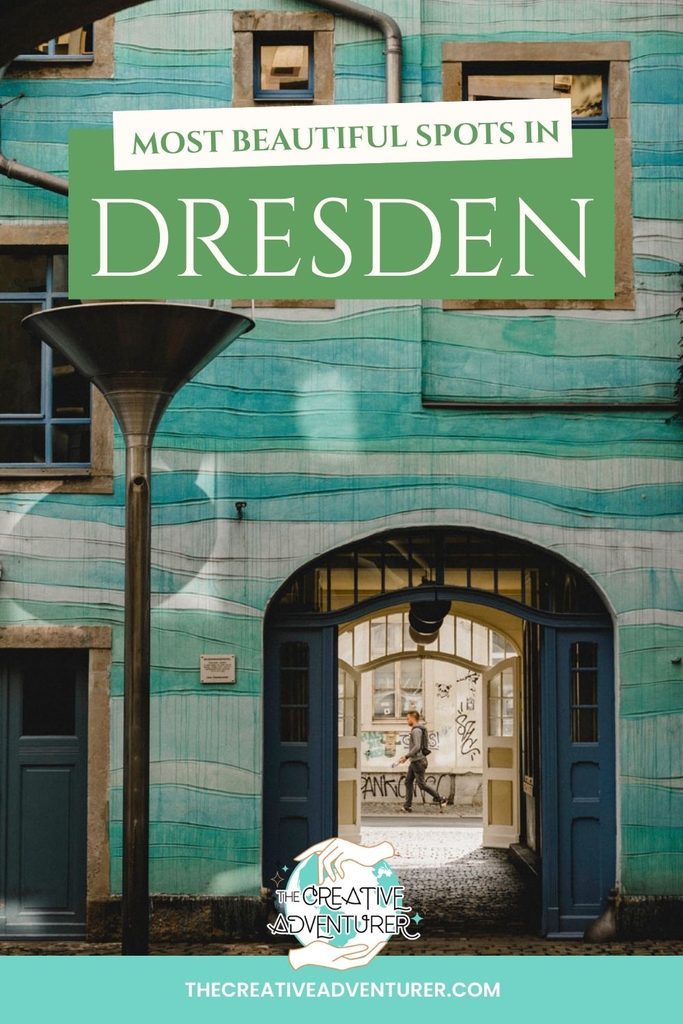
In the Äußere Neustadt, you’ll find the famous Kunsthof Passage. These dreamlike courtyards come from the visionary minds of local artists, who turned empty spaces into an art experiment. There are five themed courtyards to visit: Mythical Creatures, Light, Animals, Elements and Metamorphoses. Each one features strange and intriguing details that draw in your eye and ask you to question what you’re looking at. In the Courtyard of the Elements, a Rube Goldberg-style tangle of colourful downpipes on a bright blue façade turns rainfall into music. Even without rain, it’s a gorgeous work of art to admire.

Cinema Thalia
Also in the Äußere Neustadt, on Görlitzer Straße, you’ll find Thalia, a cult independent cinema and café. Its full name, “Thalia. Cinema, Coffee and Cigarettes,” suits the bohemian spirit of the neighbourhood. To my eye, it’s still a gorgeous icon of retro design and a hipster hangout.
Yenidze
To experience one of the most unique beer gardens in the city and catch a stunning view across Dresden, head over to Yenidze. From afar you might think this building is an Ottoman mosque, but it was originally a tobacco and cigarette factory. Built between 1907 and 1909 for the entrepreneur Hugo Zietz and designed by Martin Hammitzsch, the factory was styled in an “oriental” manner to recall the “exotic origins of tobacco.” The chimney was even disguised as a fake minaret. Today, the building is used as offices, but beneath its glass dome is an incredible restaurant with views across the city, and in summer the rooftop beer garden, the highest in Dresden, opens above it.
Feldschlößchen Stammhaus
The most iconic picture from Germany must be of a beer hall, and the Feldschlößchen Stammhaus is one of the best in Dresden. The Feldschlößchen brewery dates back to 1838, and its joint-stock company was founded in 1858. Today the Stammhaus tavern, open since 1998, occupies the brewery’s restored machine house in the Südvorstadt. Inside the old brewery you’ll find a cosy interior and a quiet courtyard beer garden. The food is hearty and traditional, and it all washes down deliciously with a glass of Feldschlößchen Pilsner. Sitting in the restaurant, you feel like you’re dining inside a piece of Dresden’s history. My favourite visual is the giant copper brewing lid that serves as a roof atop the bar.
Dresden is such a wonderful place to explore and get away from the crowds which you’ll find in more popular cities across Germany like Berlin and Munich. It’s still that untapped gem which only those in the know are want to find. If you’re interested in exploring more of Dresden, check out my guided walking tour, which will take you across the old town to discover the history and people who helped create this amazing city. Let me know if you’ve visited Dresden before and what your favourite photo spot was on your last trip to Florence of the North.
Happy Travels, Adventurers!
Dresden is such a wonderful place to explore, and it is still the untapped gem I first fell for: a city rebuilt with so much care that the Florence of the North feels like a living museum, only with wifi. It’s a place to get away from the crowds you’ll find in more popular German cities like Berlin and Munich, and one that rewards anyone who loves art, history and architecture. Let me know if you’ve visited Dresden before, and what your favourite photo spot was on your last trip.
Happy Travels, Adventurers!




1 COMMENT
Jenn
3 years agoWow! Your photos are stunning!! I visited Dresden as a day trip from Prague and fell in love with the city. In retrospect I wish we had planned more time there.