
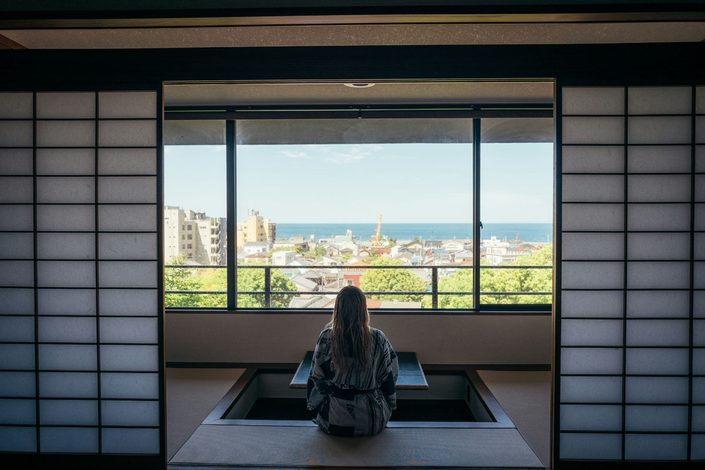
For hundreds of years, travellers in Japan have been staying at traditional guesthouses called Ryokans. In fact, the world’s oldest hotel is a Ryokan! It is called Nishiyama Onsen Keiunkan and was founded in 705 A.D. And in fact, you can still stay here today! But Ryokans aren’t just places to stay; they feel like a piece of history, a cultural touchstone. And one of the best experiences to add to your travels.
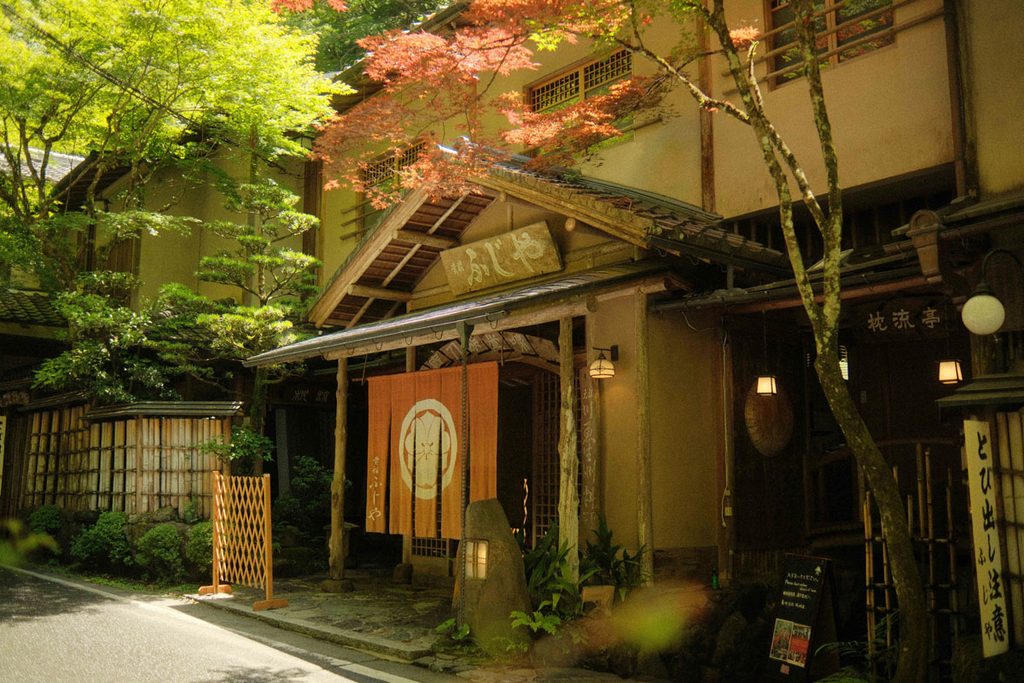
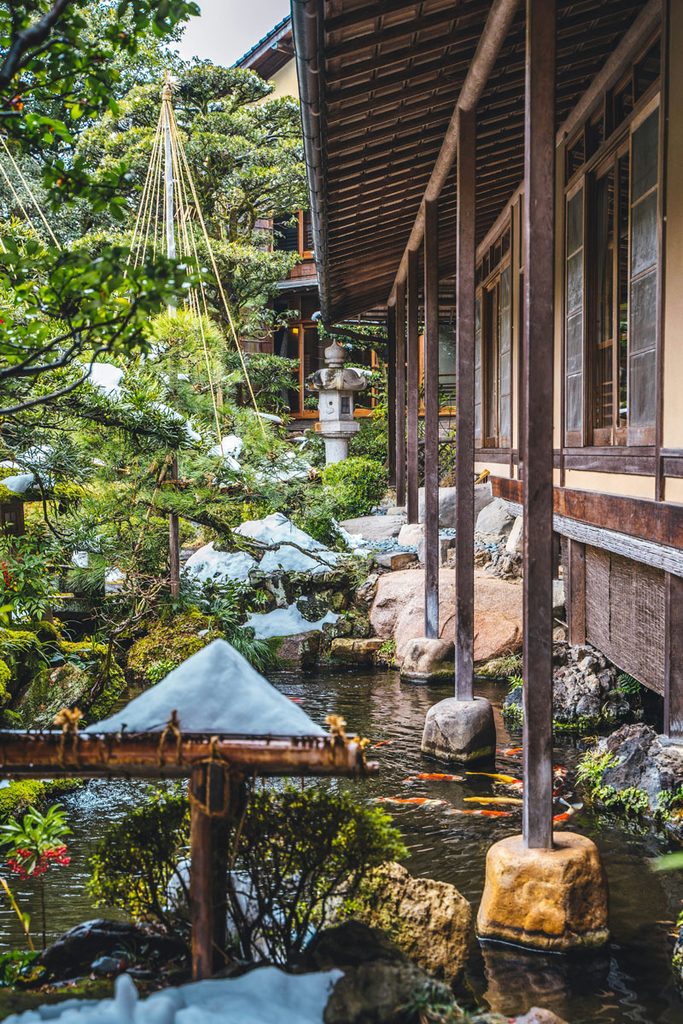
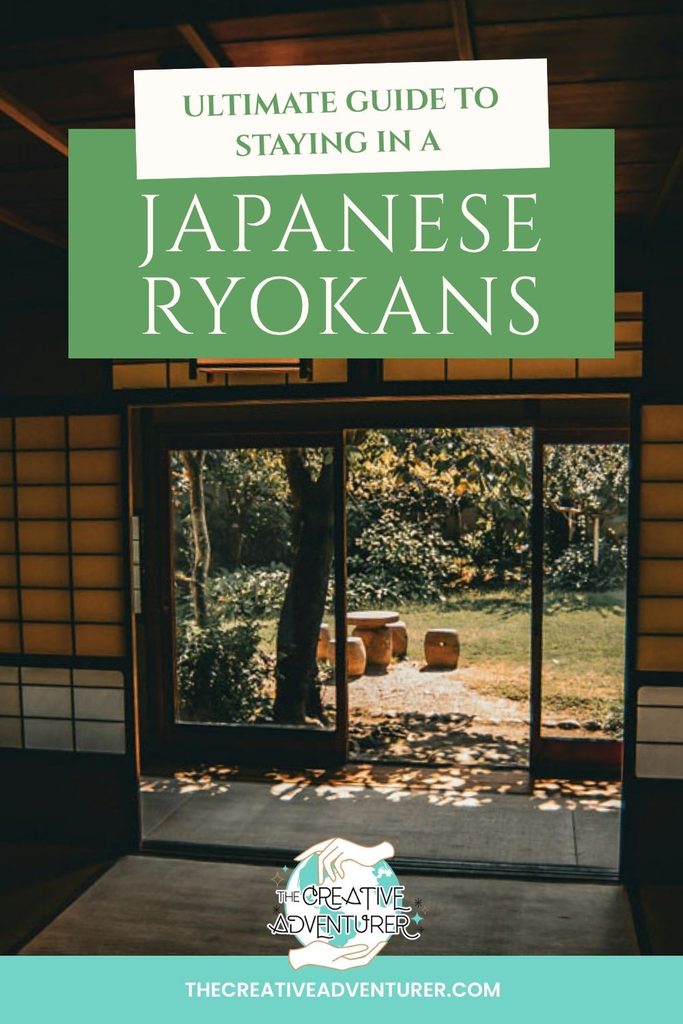
Ryokans are the best place to recharge, so they make a great stopover in the middle of your trip to help re-energize your body and soul. We opted to stay in a Ryokan in Kyoto. It was the perfect place to reset from the busy atmosphere of Tokyo. The days we spent in the Ryokan were some of the most peaceful of our entire trip. We even opted to spend almost an entire day in our room as it was just that comfy. We read our books, drank tea and sat in the zen garden, watching the locals walk by on their way to and from the center of the city. Although there are a few Ryokans in Tokyo, for the most part, Ryokans are found in the countryside, where the ambiance seems to suit the location.
This guide will help you learn all about Ryokans, the traditions found inside and also what makes them the best kind of accommodation in Japan!

Before You Go
- Check-in and check-out: Check-in usually opens around 3 pm and check-out is around 10 am. Many ryokan will hold your bags if you arrive early.
- Arrive for dinner: If dinner is included, aim to arrive by about 5:30 to 6 pm. The kitchen serves at set times, and late arrivals can miss the meal. Tell the ryokan if you’ll be late.
- Meal times: Dinner is usually around 6 pm, and breakfast is confirmed with your attendant the night before.
- Food: Tell the ryokan about allergies or dietary restrictions when you book.
- Tattoos: Ask before booking whether public baths admit tattooed guests, or choose a ryokan with private baths.
- Getting there: Many ryokan sit in hot-spring towns, so check the access and any station shuttle. Keiunkan, for example, is about 70 to 90 minutes from JR Minobu Station, with a free shuttle from the station by reservation, and check-in runs from 3 to 5 pm with no after-hours arrivals. The Japan National Tourism Organization lists it at roughly ¥20,000 to ¥60,000 per person.
- Payment and tipping: Confirm at booking whether the ryokan accepts cards. Tipping is not expected.
- Closures: Individual ryokan set their own closure and maintenance days, so confirm your dates directly before you book.
- Checking out: You can leave your futon as it is; the staff will take care of it.
What is a Ryokan
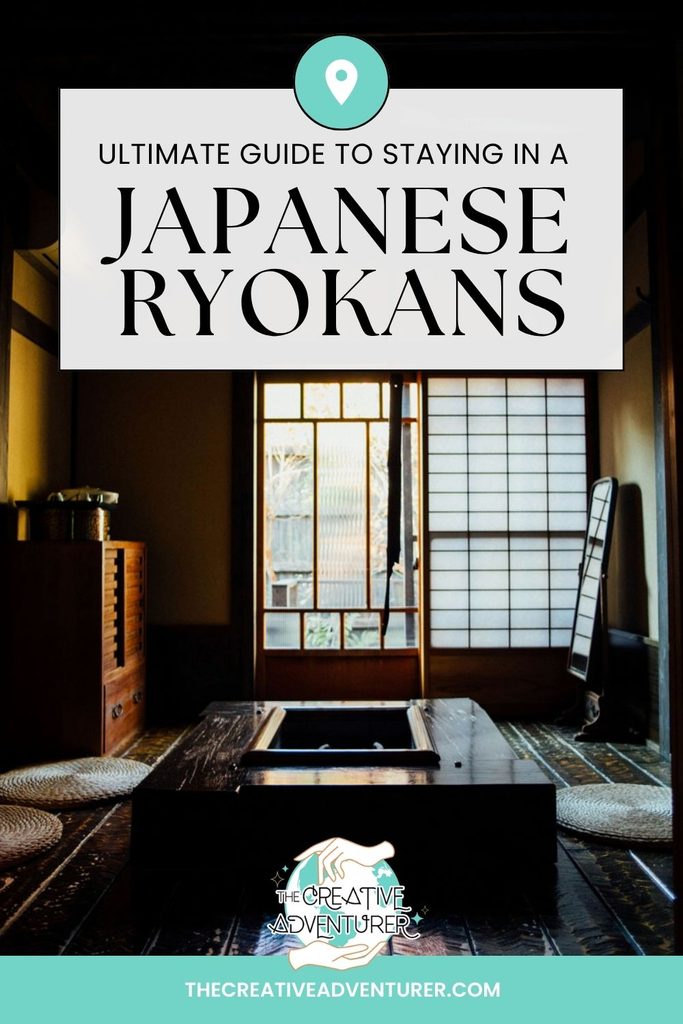
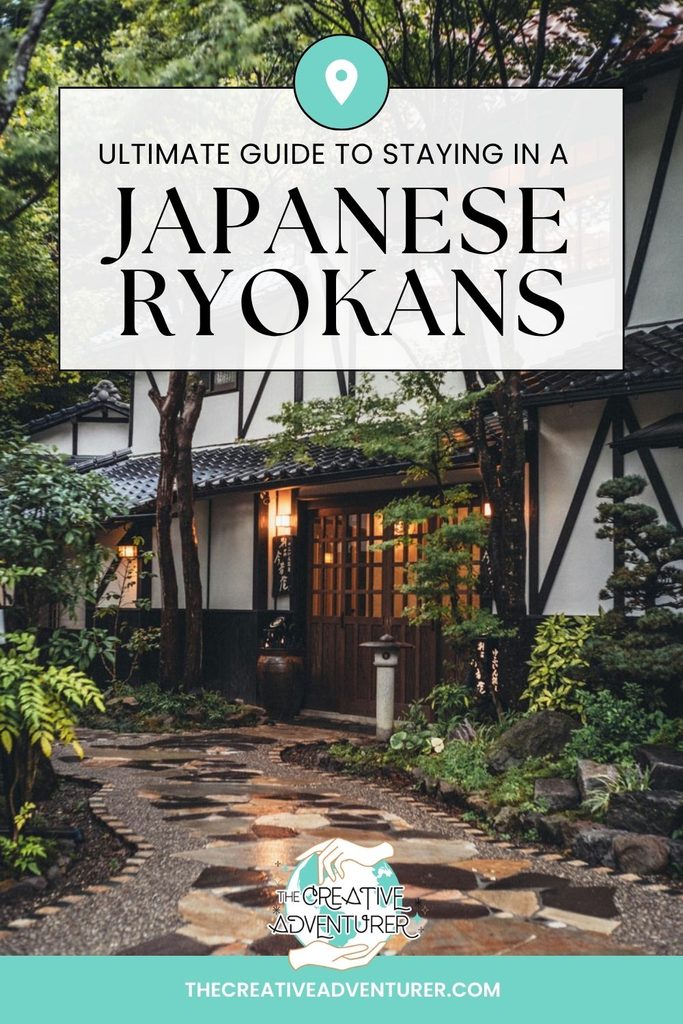
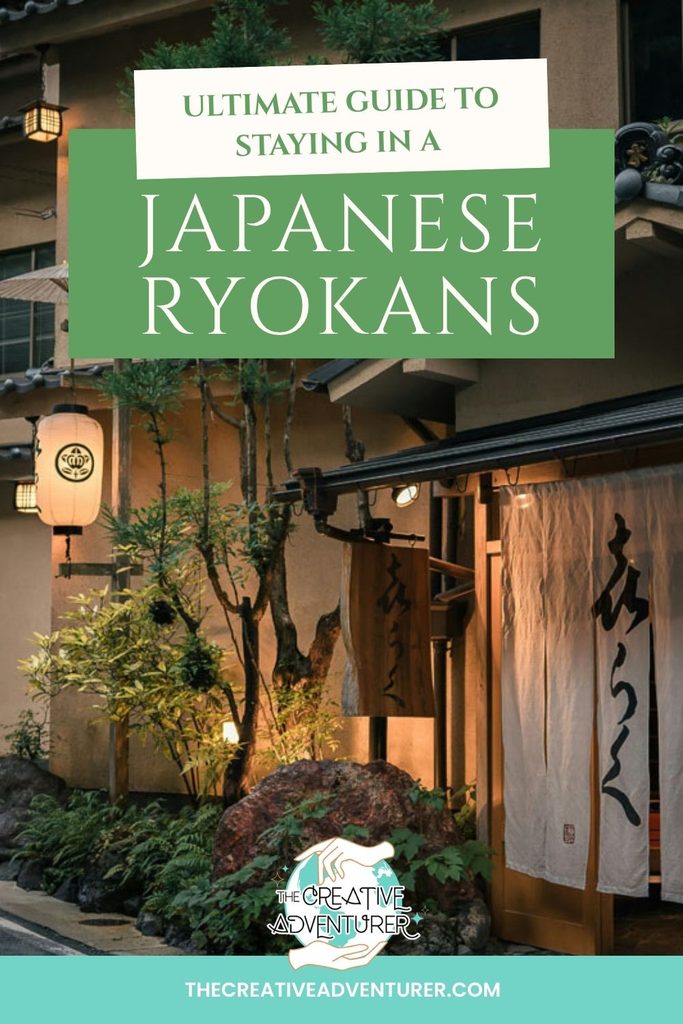
A ryokan is a traditional Japanese guesthouse, often a low wooden building with tatami floors, paper sliding screens, a garden and, in many cases, an onsen (hot spring bath). Some newer ryokan are built of concrete, but the same features carry through. Most sit in hot-spring towns and the countryside, where the atmosphere suits the setting, though a few urban ryokan operate in cities.
History of the Ryokan
The first ryokan were free rest houses called fuseya, set up by Buddhist monks during the Nara period (710–784). Travel was dangerous, and monks built them as shelter for travellers caught in the elements.
The Samurai Influence
In the Edo period (1603–1867), new highways brought a boom in lodging. Inns called hatago served meals to ordinary travellers, while honjin, official lodgings, hosted feudal lords (daimyo) and their entourages on their journeys to and from Edo. The hatago became the model for everyday ryokan, and the honjin for the luxury ones.
Modern Day
As travel widened, with trains and holidays at hot springs, ryokan opened their doors to everyone. They kept serving food and drink to guests with the same care.
When the economy began to boom in Japan, and roads were built, more and more people began travelling. One of the most popular destinations was various hot springs (onsens) around the country. To serve these travellers, Ryokans started opening their doors to everyone, and the modern idea of guesthouses was established. But the Ryokans continued to serve food and drink to their guests, just as they had to samurai long before them. And the Buddhist ideals of peace inside the walls of the Ryokan also cemented themselves into the history of Ryokans forever.
How Much Does it Cost?
Ryokan are priced per person rather than per room, and the rate usually includes dinner and breakfast. That is why they sit at the pricier end of accommodation, and why the range is so wide: family-run inns with simpler service, historic ryokan, and luxury ryokan, some with a private in-room onsen that looks out over the countryside. Cheaper plans often skip dinner or breakfast, so check what your rate includes.
Two extras to budget for. Kyoto raised its accommodation tax on March 1, 2026, and it now runs from ¥200 to ¥10,000 per person per night, depending on the room rate (meals are not counted). Some hot-spring towns also add a small bath tax.
Arrival: Shoes Off at the Door
The first rule of a ryokan is to remove your shoes. At the entrance, the genkan, you step out of your outdoor shoes, store them where the staff direct you, and slip into the indoor slippers provided. Tatami and wood are delicate, so even the slippers come off before you step onto the tatami floor of your room.
A few other pairs may turn up. Many ryokan keep separate slippers for the toilet, so swap them on the way in and out, and some lend wooden sandals for the garden or an outdoor bath.

Your Room
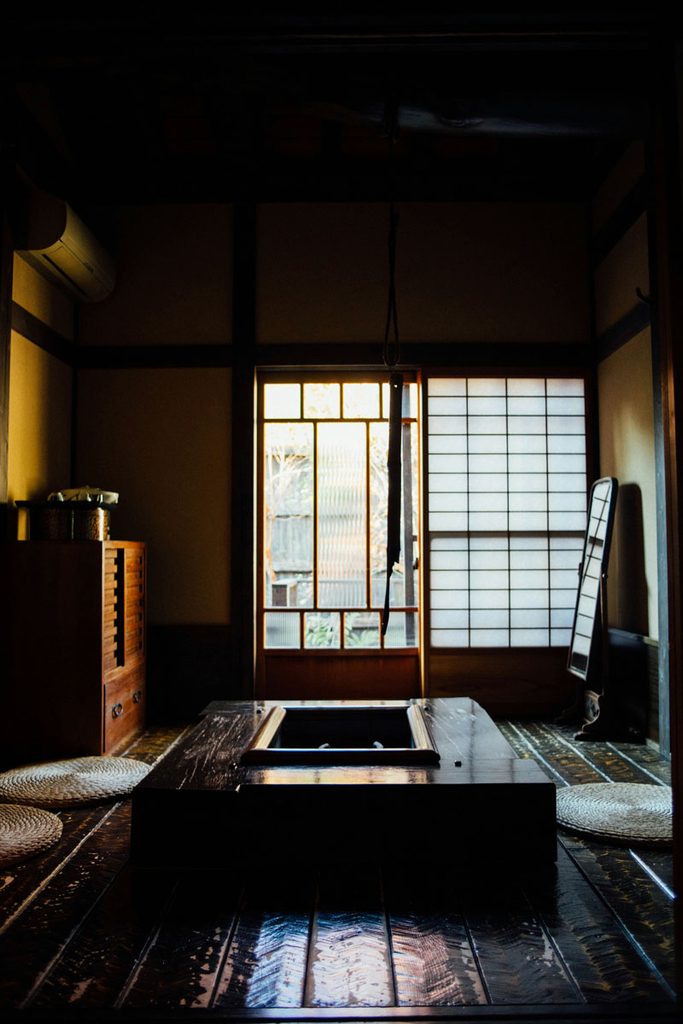
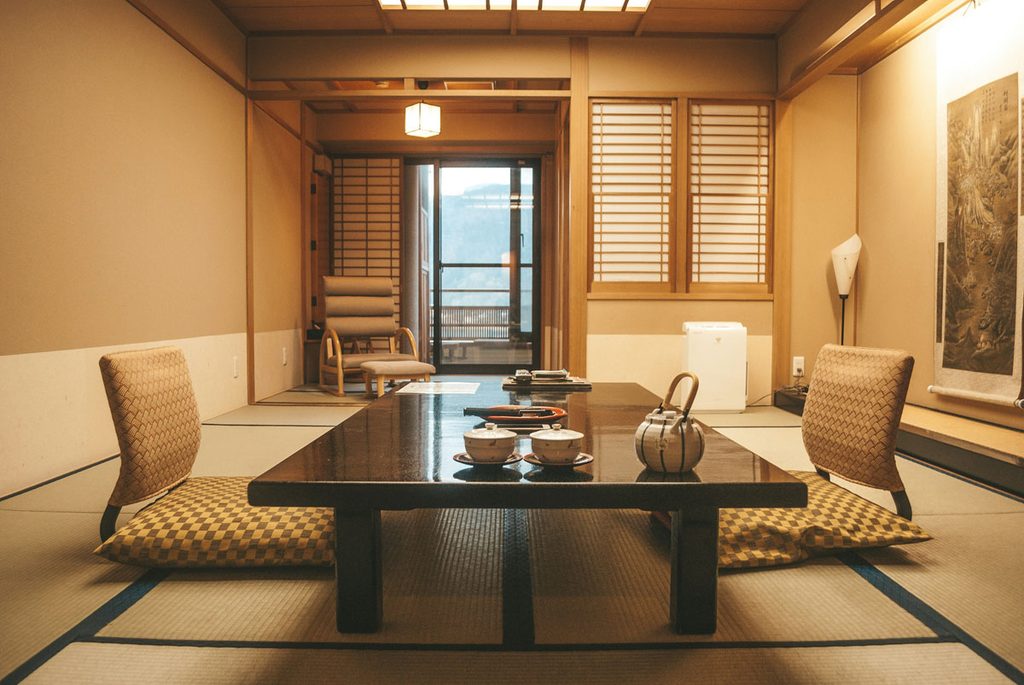
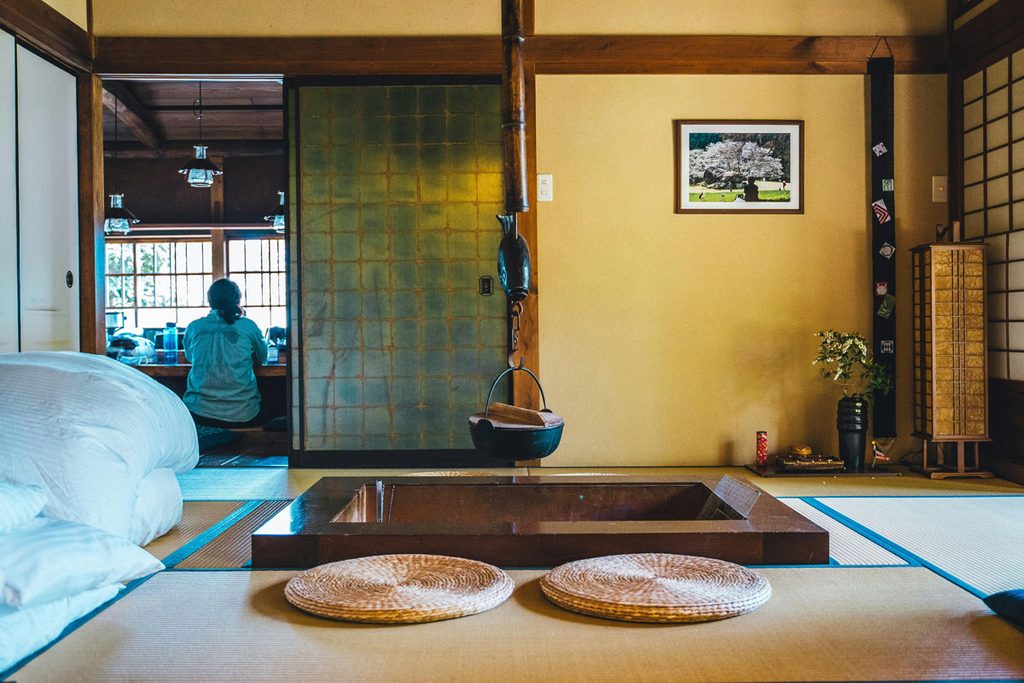
Step inside and you’ll see how different a ryokan room is from any hotel room. The floor is covered in tatami mats, light filters through paper-screened sliding doors called shoji, and the whole space is simple and uncluttered, which is much of its calm.
By day, the room is set for sitting and dining. A low table stands at the centre with legless chairs called zaisu, and in winter some rooms add a kotatsu, a table draped with a blanket and warmed by a heat source underneath. You’ll usually find a tea set waiting too, so a warm cup is yours any time of day.
Yukata
In your room, or handed to you at check-in, you’ll find a yukata, a light cotton robe often called a casual or summer kimono. The word means “bathing cloth,” and the garment descends from the yukatabira, a linen robe worn in bathhouses. Yukata were traditionally indigo and white, and slipping into one is an easy way to shift into a slower frame of mind.
If you’re unsure how to put it on, look for a handout in the room or ask the staff. The one rule that matters: wrap the left side over the right. Right over left is how the deceased are dressed in Japanese funeral custom.
We loved wearing ours around the ryokan, and I even bought one to wear when I got home to Canada.

The Onsen
An onsen is a Japanese hot spring, and because Japan is volcanically active, there are thousands of them. Many ryokan have built bathing pools around natural springs, and the mineral-rich water is said to ease sore muscles, stress and sleeplessness. Even a simple foot soak after a long day of walking is hard to beat.
Depending on the ryokan, you may find shared baths, baths you can book for a private session, or a private bath attached to your room. If you’ve never visited an onsen, a few rules make it easy.
Onsen Etiquette
- Shared baths are separated by gender. The change rooms are usually marked in Japanese, so ask the staff if you’re unsure which is which.
- You bathe naked. Store your clothes, yukata and towel in a locker; swimsuits are not allowed. You may bring one small “modesty towel.” Everyone else is bathing the same way, and no one will give you a second look.
- Wash first. Sit at one of the low shower stations and wash thoroughly with the soap and shampoo provided before you enter the bath.
- Keep your towel out of the water. Set it on the edge or fold it on your head.
- Keep the water clean. Tie long hair up, keep your head above water, and don’t wash, swim or dive in the bath.
- Keep it quiet. An onsen is for relaxing, so keep your voice low.
- Leave your phone behind. Phones and cameras are not allowed in shared baths. Private baths are more relaxed, but check the ryokan’s rules first.
A Note on Tattoos
Many public baths refuse guests with tattoos. In a 2015 Japan Tourism Agency survey, 56% of facilities did not admit them, 13% admitted guests who covered them, and 31% allowed them. Policies are slowly loosening, and a private bath sidesteps the issue entirely. Ask your ryokan before you book.
Dinner: Kaiseki-ryori
In most ryokan, dinner is included. Slip into your yukata and prepare for a lovely meal, served either in your room or in a communal dining room, depending on the ryokan. Dinner is served at a set time, usually around 6 pm, so confirm yours when you check in.
The meal is called kaiseki-ryori, a multi-course feast served on elegant lacquered and ceramic dishes. Each plate is arranged like a small painting, and the plating is meant to enhance the taste. The menu is seasonal and local, a way of tying your stay to the landscape outside. Expect fresh fish, soup and rice, often with a small hot pot, alongside tea and sake.
If you have allergies or dietary restrictions, tell the ryokan when you book, since the menu is planned in advance.

The Bedroom Transformation
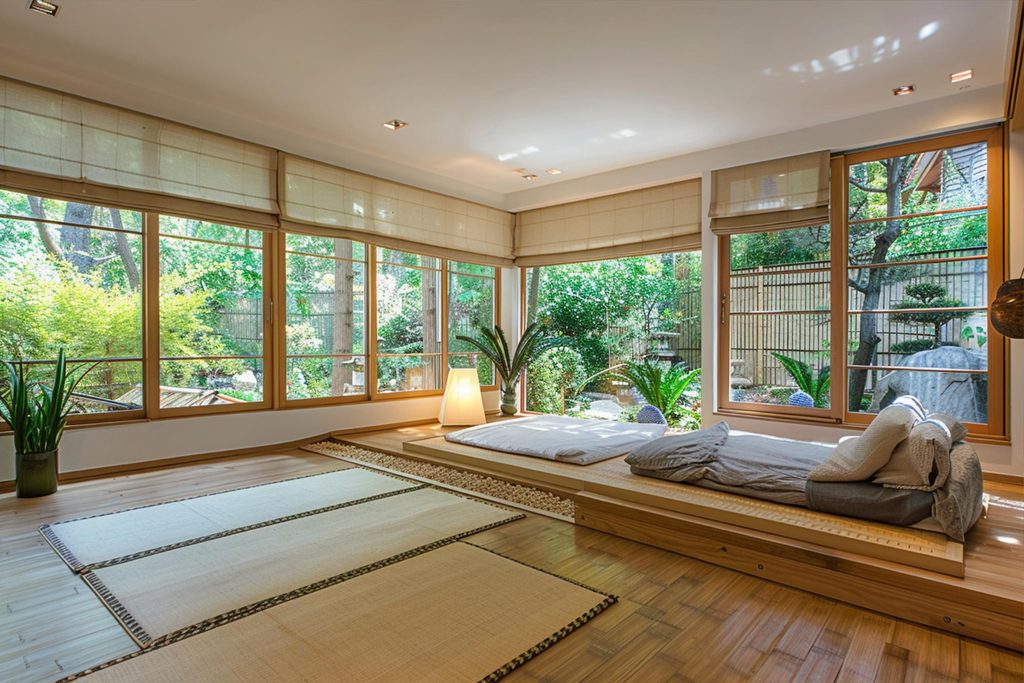
When you first walk in, you may wonder, “Where is the bed?” You won’t find one. A ryokan room is living room, dining room and bedroom in a single space. While you’re at dinner or in the bath, the staff move the table and chairs aside and lay out your bedding, as if performed by elves.
The bedding is a Japanese futon, which is not the fold-down couch many of us had in college. It is a thin mattress laid directly on the tatami, topped with a thick duvet, and the mats give it a little softness underfoot. By day the futon is stored in a closet, which frees up living space. The same trick keeps many Japanese homes uncluttered, and it lets a ryokan give you three rooms in the footprint of one.
Breakfast
Most ryokan serve a traditional Japanese breakfast, and if you have the option, add it to your stay. It is usually served in the same place as dinner, and your attendant will confirm the time the night before. Expect rice, miso soup, pickles and grilled fish, with tofu and eggs on the side, all built from local, seasonal ingredients.

A ryokan stay is a splurge, but look at everything it holds: the tatami and shoji, the yukata, the hot spring, the kaiseki dinner, the futon that appears while you’re away and the quiet breakfast that closes the night. Together they are more than the sum of their parts. A ryokan is a piece of living history that works as a hard reset for the stress and exhaustion of travel.
Let me know in the comments where you hope to stay in a ryokan and what you’re most looking forward to.
Happy Travels, Adventurers!








Leave a Comment