
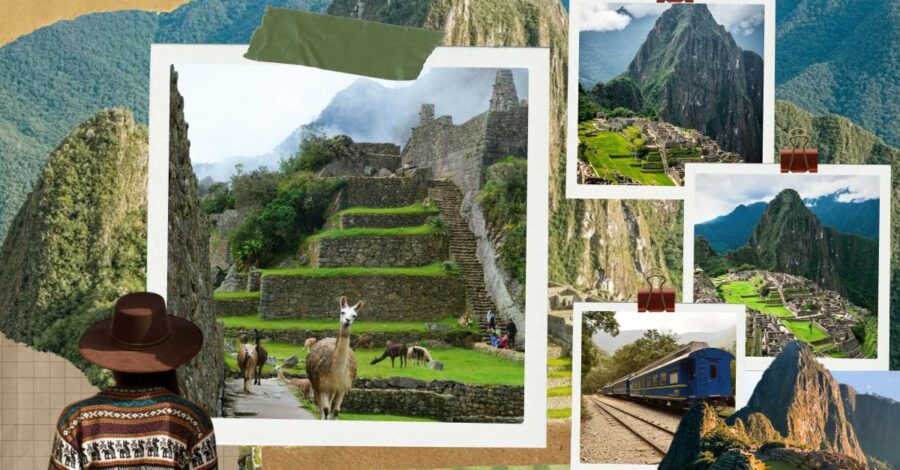
Visitors planning a trip to Machu Picchu rarely have identical priorities. Families might need a manageable journey with an overnight stop, while travellers interested in Inca architecture may prefer several days exploring the archaeological sites of the Sacred Valley. Experienced hikers have different considerations, particularly when it comes to permits, walking distances and altitude.
The tour format affects how much time you spend at each location, which areas you visit and how the journey is organised. Before booking, it helps to consider how you want to reach Machu Picchu and what you would prefer to see beyond the citadel itself.
How Different Tour Formats Shape Your Visit
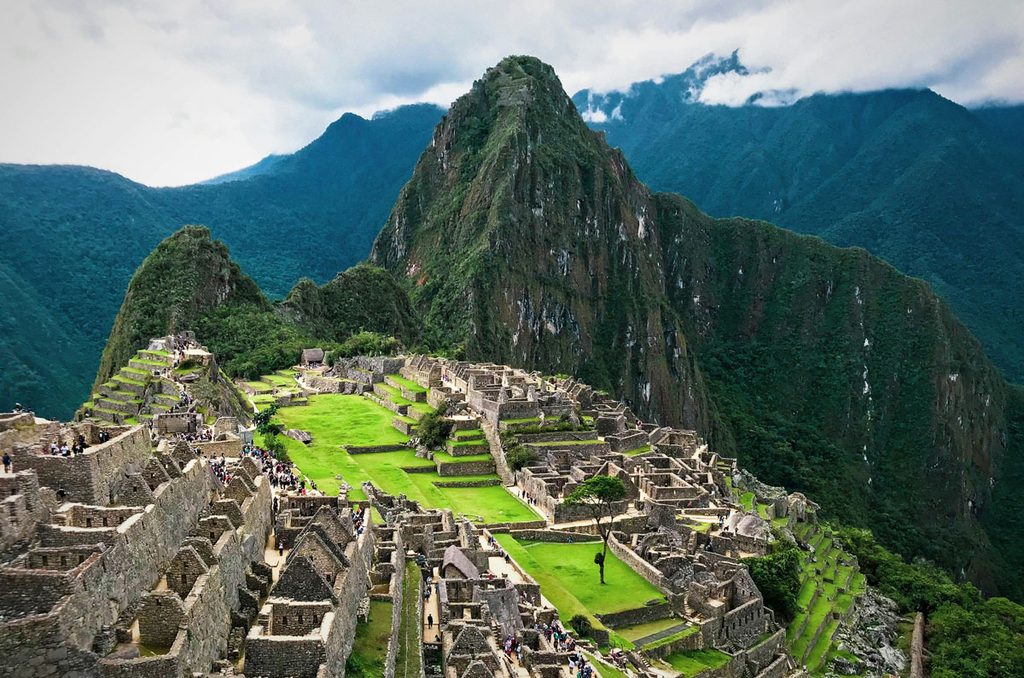
Machu Picchu tours range from guided day visits to itineraries covering several days in the Cusco region. A day trip generally combines road and rail transport with a bus transfer from Aguas Calientes. Longer journeys allow time for archaeological sites in the Sacred Valley, while trekking itineraries involve several days of walking.
Group Tours
Group departures follow a predetermined schedule, with transport and guiding arrangements shared between participants. They suit visitors who prefer having the main logistics organised and are comfortable travelling with others.
Private Tours
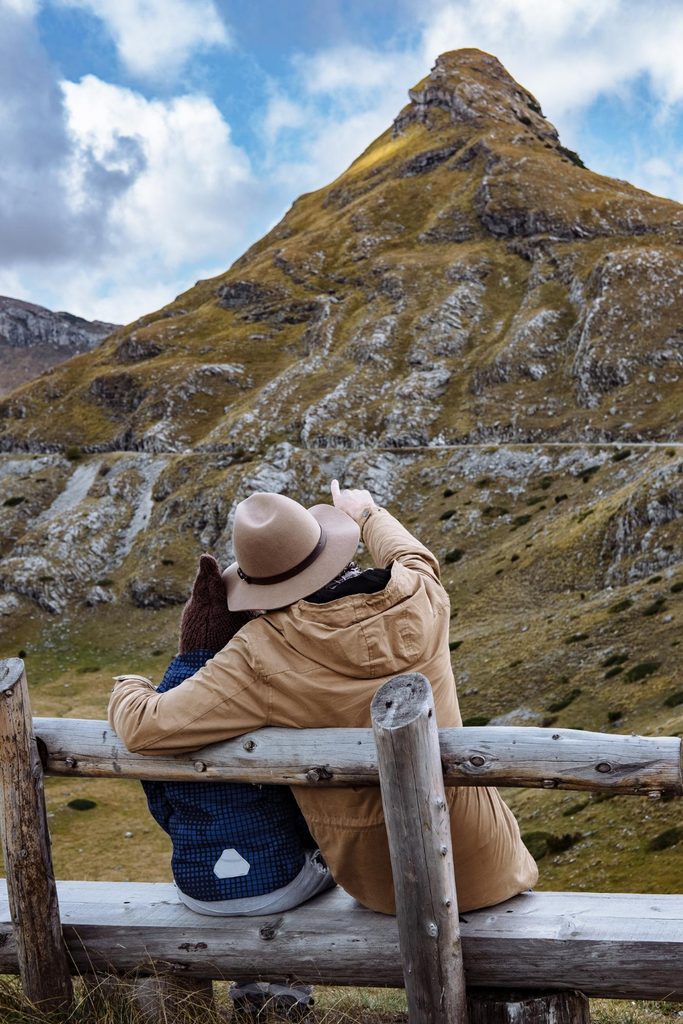
Private itineraries offer more control over accommodation, travel dates and the locations visited along the way. This becomes relevant when someone wants to spend additional time at Ollantaytambo or explore Cusco’s historic centre without following a fixed group programme.
Travellers interested in several archaeological sites might prefer having these visits coordinated rather than arranging each reservation separately. Machu Travel Peru plans trips to Machu Picchu with transport, accommodation and guided visits organised around the traveller’s preferred pace.
The flexibility still has limits. Machu Picchu tickets specify an entrance time and visiting route, and private arrangements must follow the same access regulations as group tours. Choosing the appropriate circuit is therefore part of planning the itinerary, particularly for visitors interested in specific buildings or viewpoints.
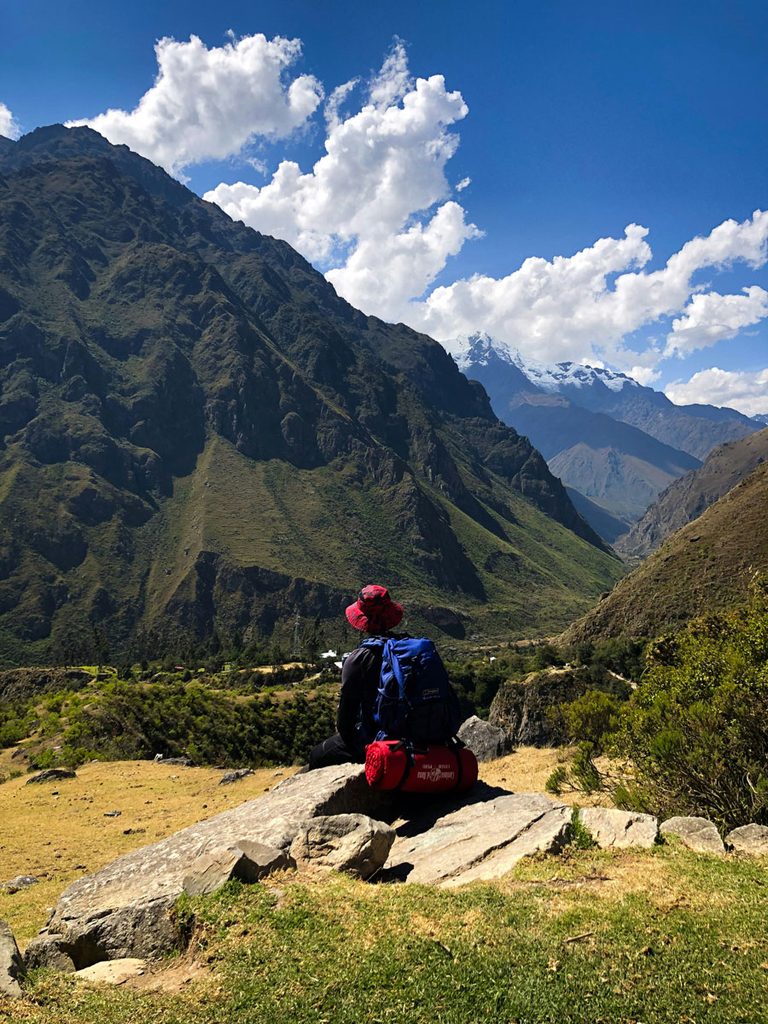
Tours Suited to Families Travelling with Children
Families generally need more time between transport connections and activities. Travelling from Cusco to Machu Picchu involves several stages, and younger children may find a long journey followed by walking around the archaeological site tiring.
About the Altitude
Altitude deserves attention when organising the first few days. Cusco stands at approximately 3,400 metres above sea level, while Machu Picchu is considerably lower, at around 2,430 metres. Staying in the Sacred Valley can reduce the initial sleeping altitude compared with Cusco, although children and adults still need time to adjust.
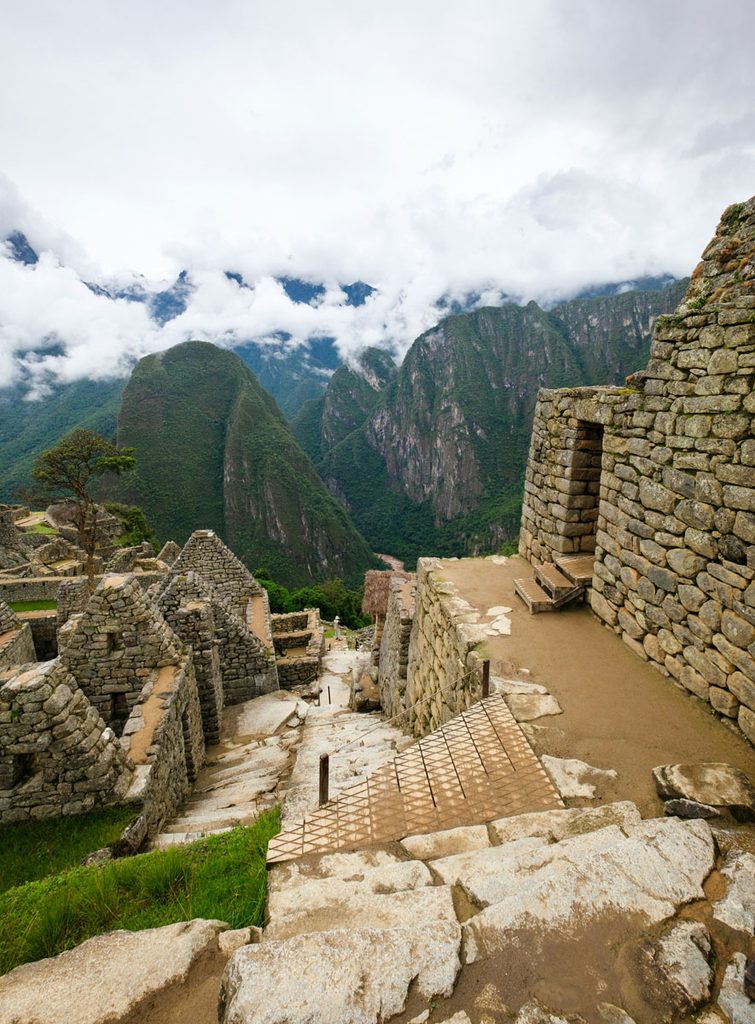
The archaeological site presents practical challenges for families with younger children. Stone steps and uneven surfaces are common, and pushchairs are not permitted inside. Parents should check the walking requirements of their chosen circuit rather than assume every route is equally manageable.
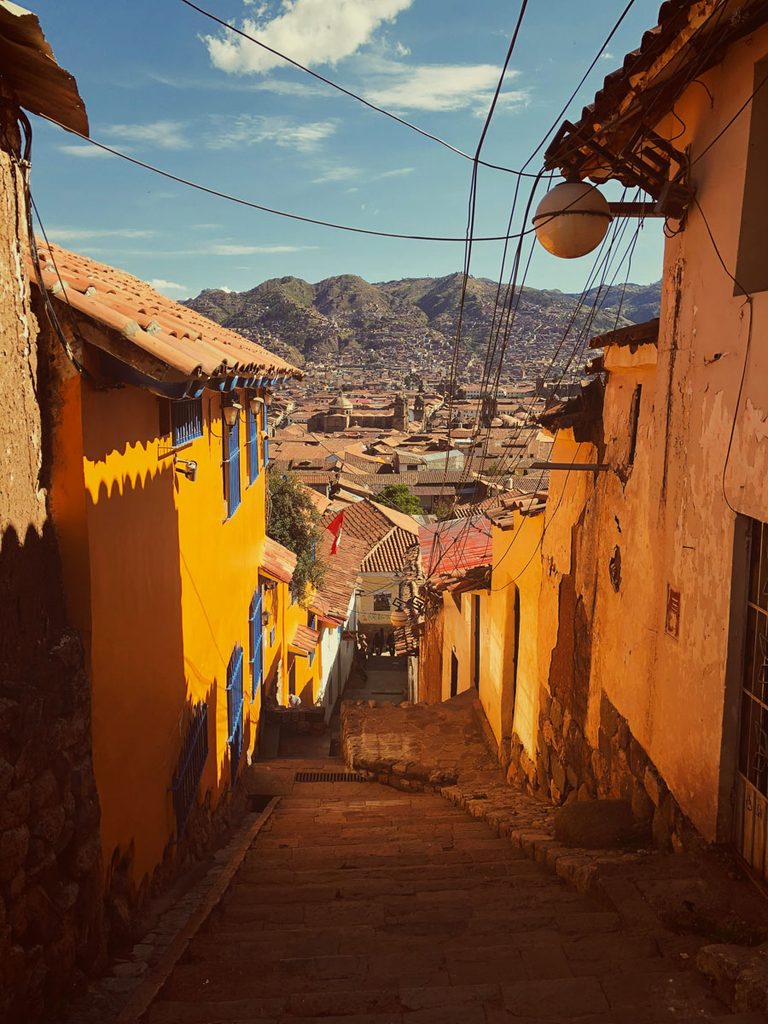
An overnight stay in Ollantaytambo or Aguas Calientes gives visitors a less compressed schedule than travelling from Cusco and back in one day. They still need to account for the remaining transfers, but there is more room for breaks.
When considering family-oriented Machu Picchu packages, the daily schedule matters as much as the accommodation. Private arrangements offer more control over rest periods and transport, but they cannot change the designated visiting route or entry time.
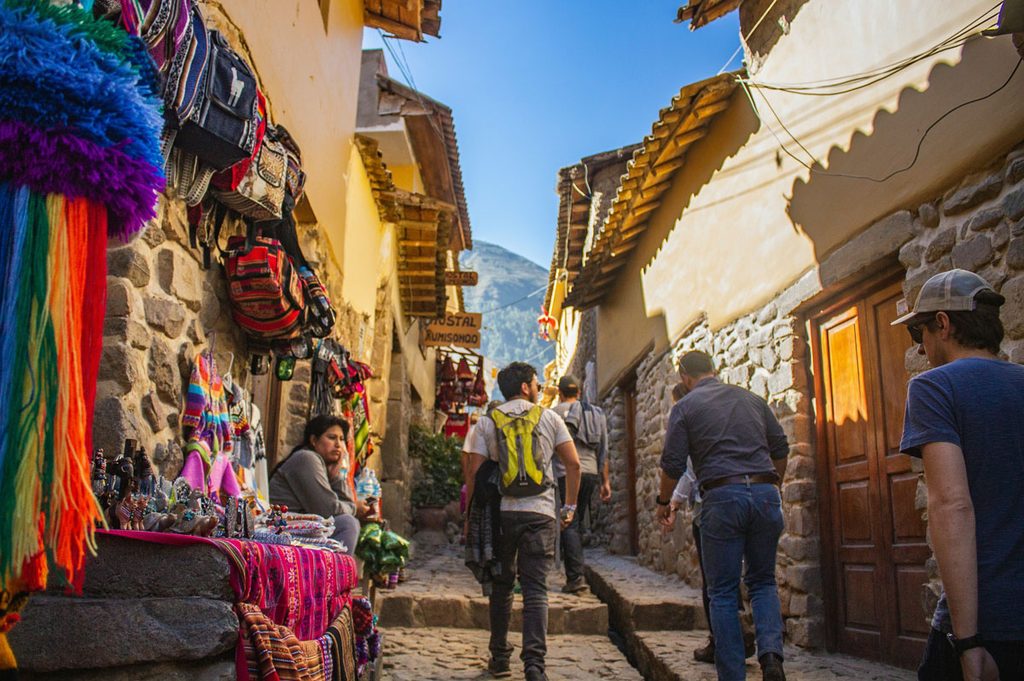
Options for Independent and Small-Group Travellers
Solo visitors and couples who prefer a less structured journey have different ways to organise their visit. Small-group departures provide shared guiding arrangements and opportunities to meet other travellers, while independent bookings offer greater control over transport and accommodation.
Visitors arranging their own trip can purchase train tickets, accommodation and entrance admission separately. The main responsibility is coordinating these services so that transport connections allow enough time to reach Machu Picchu for the assigned entrance slot.
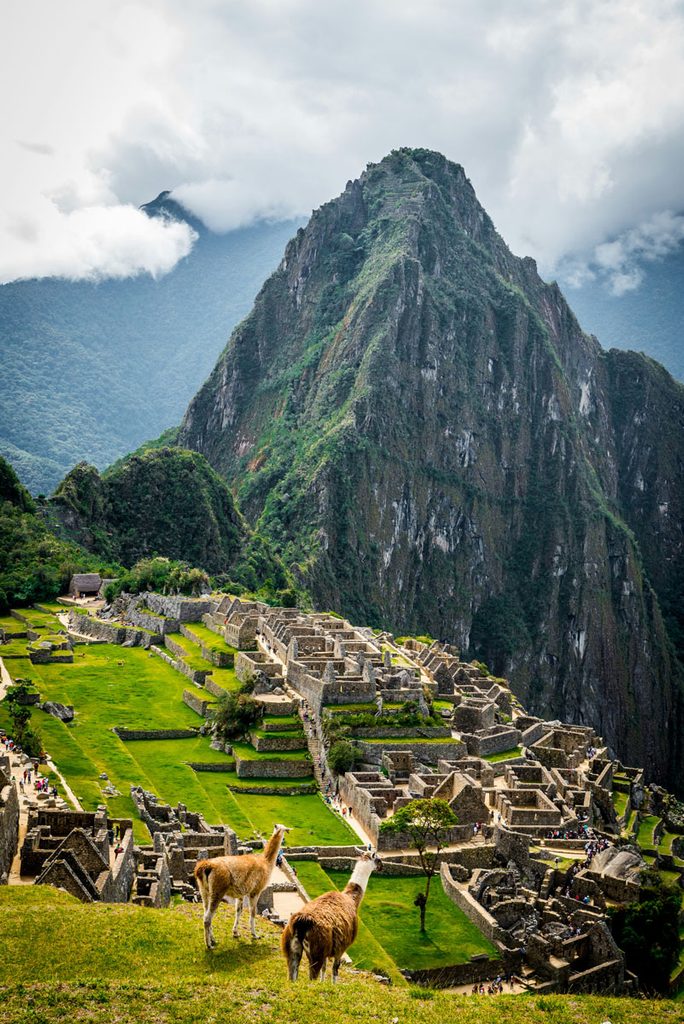
Couples and Small Groups
Couples or small groups might prefer a private itinerary when they want to spend additional time in Cusco or the Sacred Valley without following a scheduled departure. They can agree on accommodation and additional visits beforehand, while the Machu Picchu entrance time and route remain fixed.
Guide arrangements also influence the experience. Someone interested in Inca stonework may appreciate the opportunity to discuss the construction techniques used in particular structures during a private visit, while a group tour follows a schedule intended for several participants.
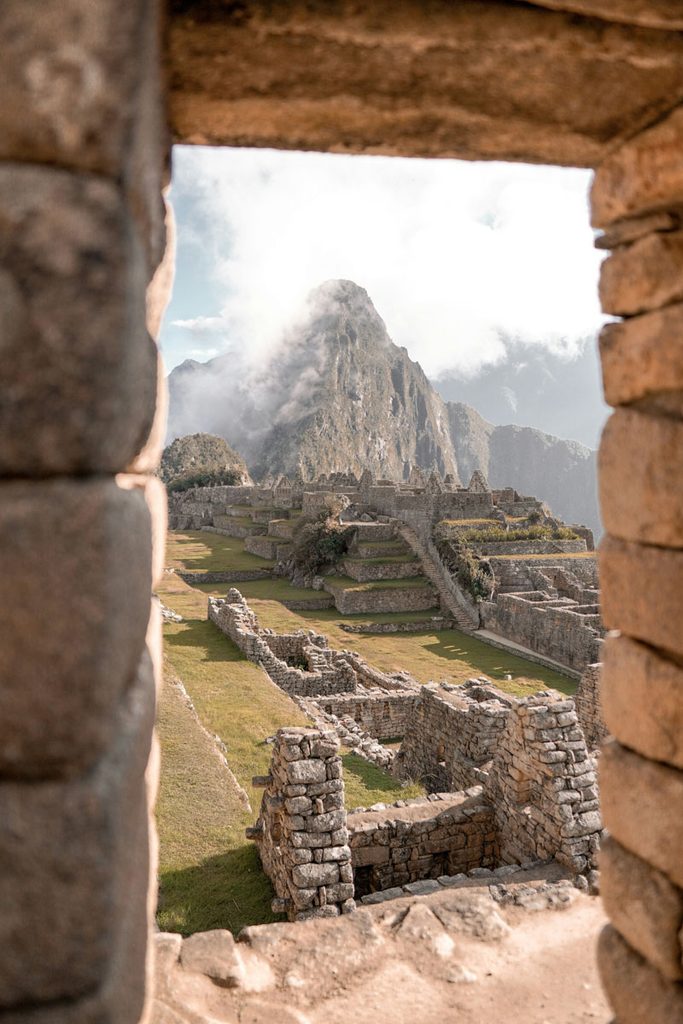
The price difference depends on the services included. Shared departures distribute certain transport and guiding costs among participants, whereas private arrangements generally cost more per person. Independent travel offers more control over individual expenses but requires travellers to handle the bookings themselves.
Trekking Tours for Travellers Who Prefer to Arrive on Foot
The classic Inca Trail follows historic routes through mountain terrain and archaeological sites before reaching Machu Picchu. The standard itinerary takes four days and requires an authorised agency and official guide.
Access is controlled by permits, with a daily limit of 500 people on the classic four-day route, including guides, porters and support staff. The trail closes throughout February for maintenance and conservation, so travellers planning around that month need to consider a different itinerary.
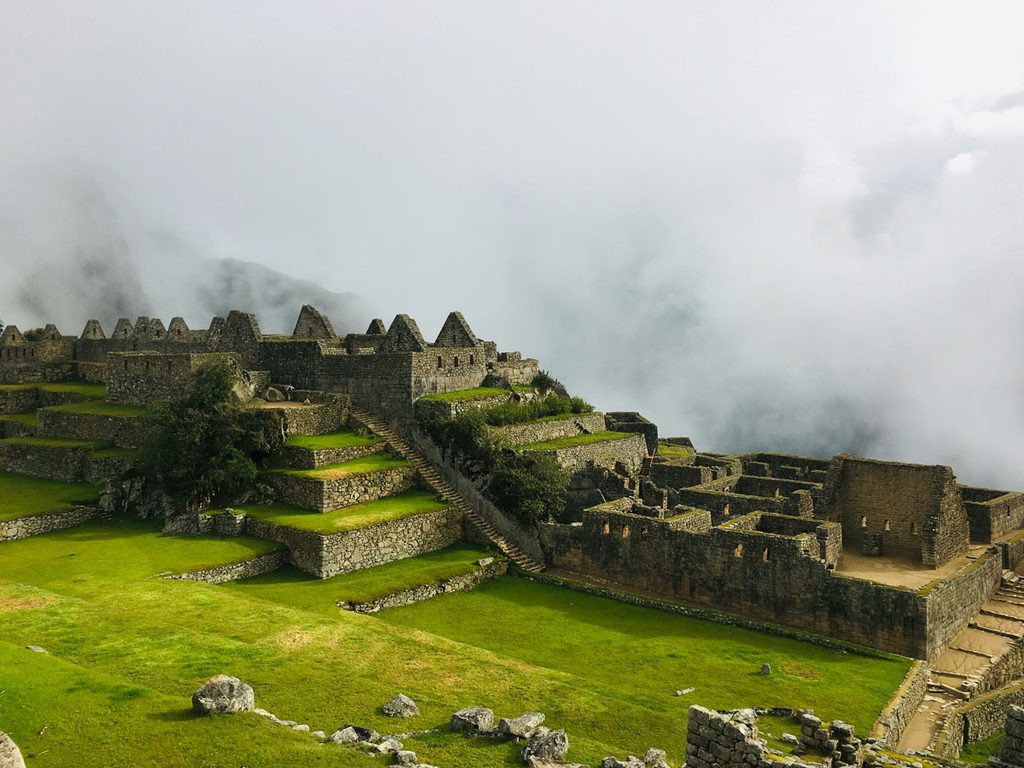
Shorter Inca Trail options cover part of the historic route without requiring the full four-day trek. They remain subject to permit requirements and should be booked with the same attention to availability.
Other trekking routes in the Cusco region involve different landscapes and elevations. Some cross high mountain passes before connecting with transport towards Machu Picchu rather than reaching the citadel directly on foot. Checking where the walking portion ends avoids confusion about what the itinerary covers.
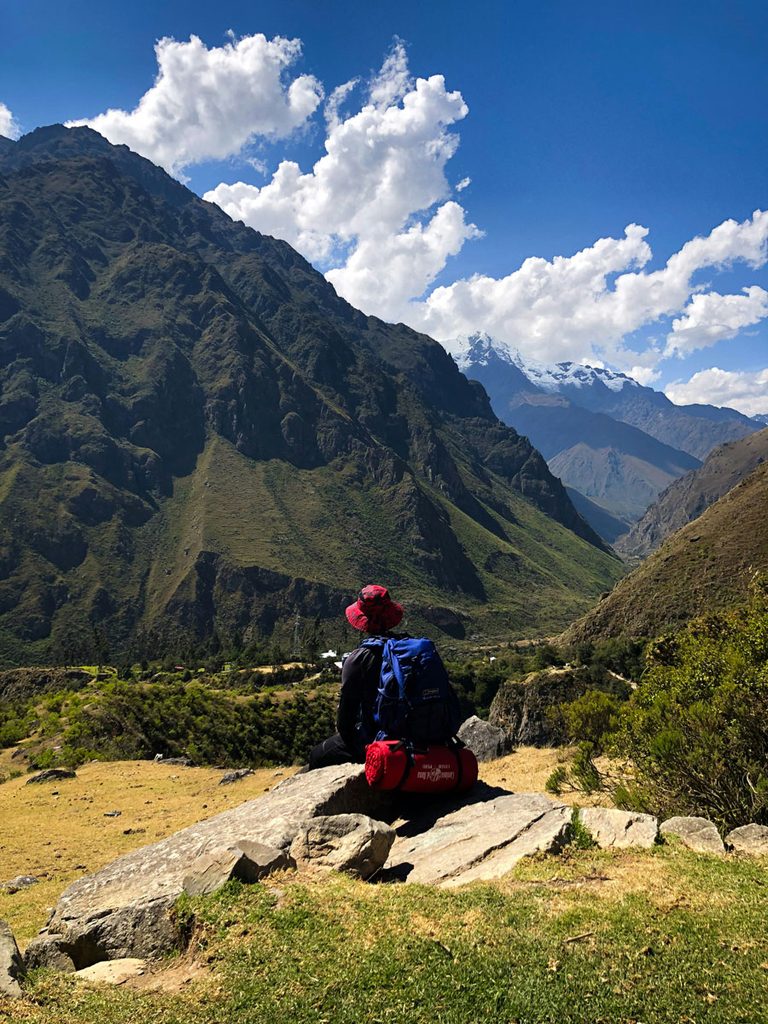
Physical preparation matters for any multi-day trek, particularly where the route reaches elevations higher than Cusco. Acclimatisation needs separate attention, since physical fitness alone does not prevent altitude illness. Daily walking distances, elevation changes and accommodation arrangements should also be reviewed before booking.
Travellers whose main interest is the archaeological site rather than the hiking experience may prefer a train-based journey, leaving more time for guided visits and other historical locations.
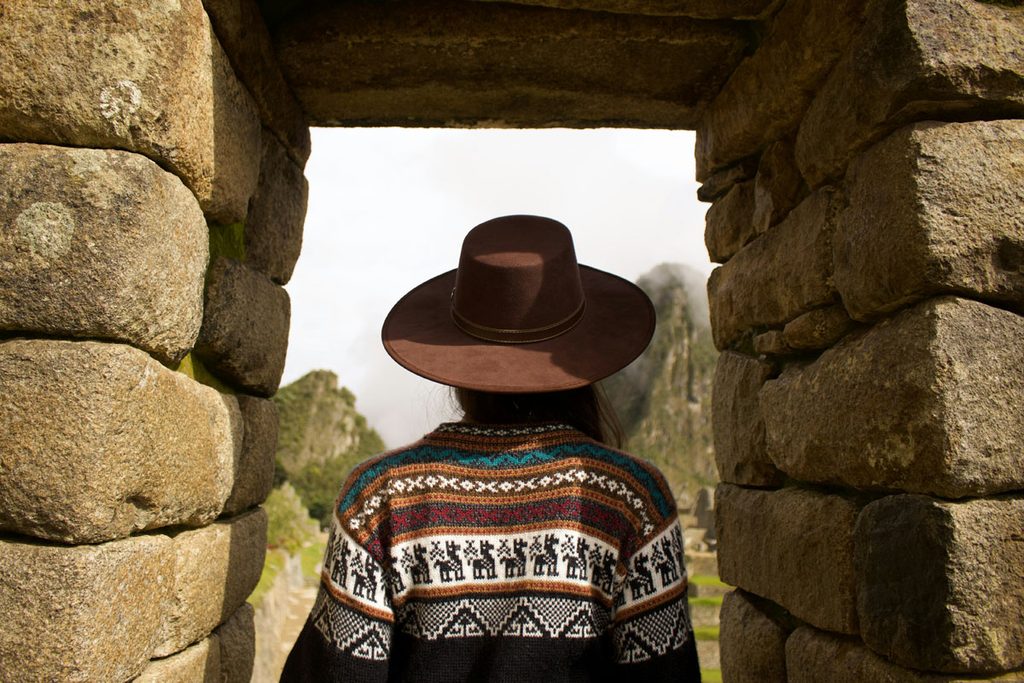
Exploring Inca History and Architecture Beyond Machu Picchu
Machu Picchu contains agricultural terraces, ceremonial areas, residential structures and an extensive water management system. Understanding how these features relate to the settlement’s organisation is often easier with historical interpretation during the visit.
The surrounding region offers further examples of Inca architecture. Ollantaytambo contains substantial terraces and monumental stonework, while Pisac has archaeological remains spread across the hillsides. In Cusco, sections of Inca masonry remain visible alongside colonial buildings constructed in later periods.
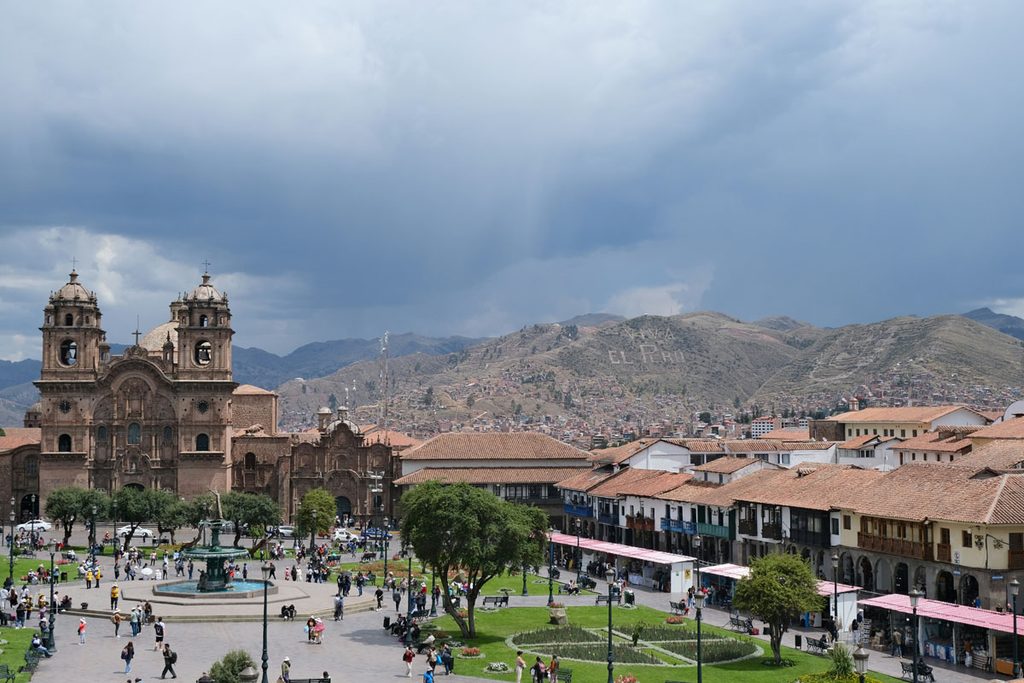
For travellers interested in these connections, visiting the Sacred Valley before Machu Picchu provides more context than travelling directly to the citadel. An itinerary that allocates time to individual sites also allows closer examination of architectural details rather than brief stops between transport connections.
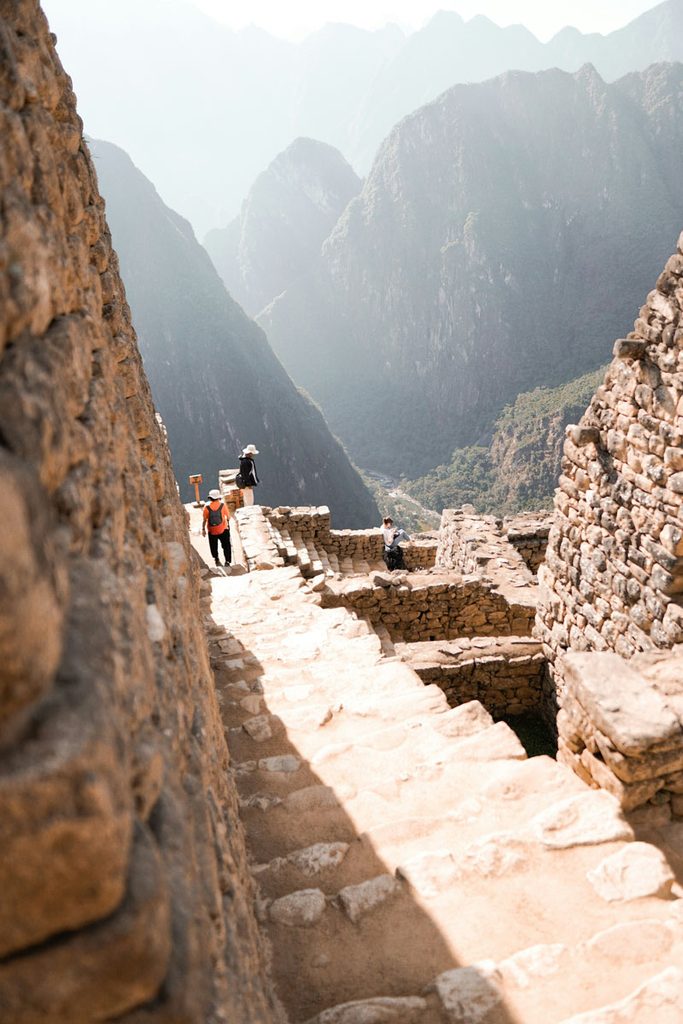
The entrance circuit at Machu Picchu deserves particular attention. Panoramic routes provide elevated views of the archaeological complex, while other routes allow visitors to examine particular sections more closely. Some options are seasonal, and access is restricted to the route printed on the ticket.
Photographers should consider both the permitted viewpoints and the site’s equipment restrictions. Tripods and selfie sticks are prohibited, while bags larger than 40 x 35 x 20 centimetres are not allowed inside the archaeological complex.
A trip focused on Inca architecture needs time for the sites themselves, rather than simply enough hours to reach Machu Picchu and return. For families or trekkers, walking distances, altitude and transport arrangements may have a greater influence on the itinerary.
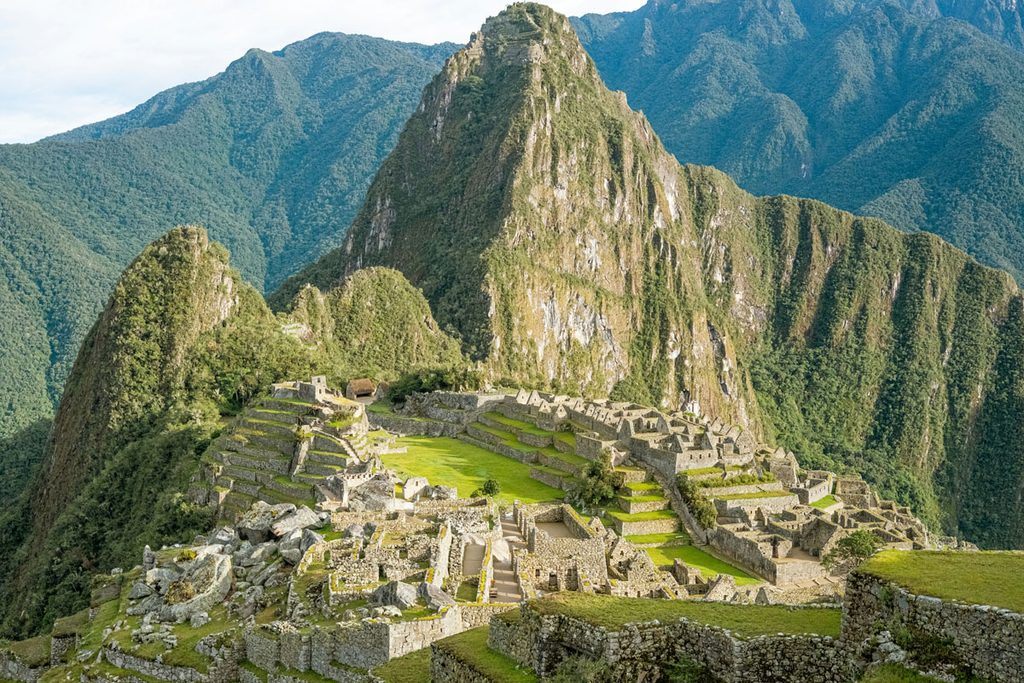
Before settling on an itinerary, check that the entrance route and travel schedule leave enough time for the places you most want to see. A longer stay is worthwhile when it gives you time for the archaeological sites beyond Machu Picchu, rather than adding extra stops to an already full day.



Leave a Comment