Las Vegas is loud, bright and built to separate you from your money. But a few miles down the road, past the casinos and the nightclubs, there’s a giant arcade where a handful of quarters buys you an afternoon of pure joy. If you’ve ever felt the pull of nostalgia, the Pinball Hall of Fame is the Vegas stop you didn’t know you needed. I’ve visited this place, and I’d happily go back again and again.
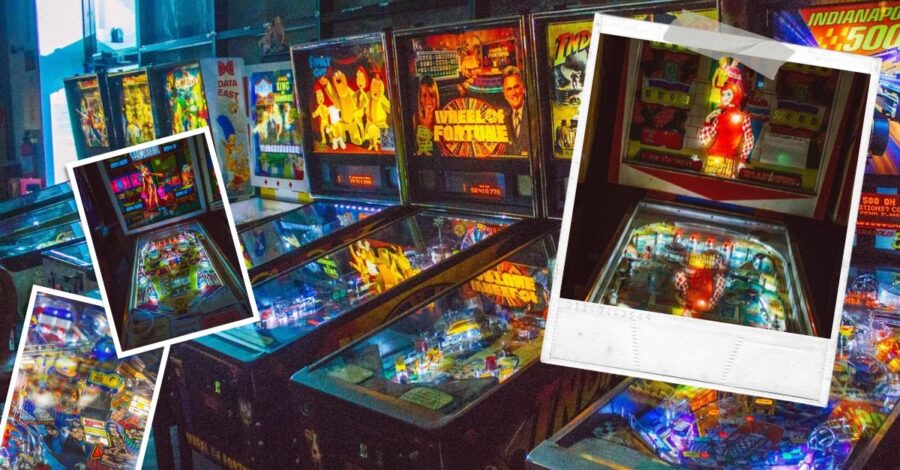
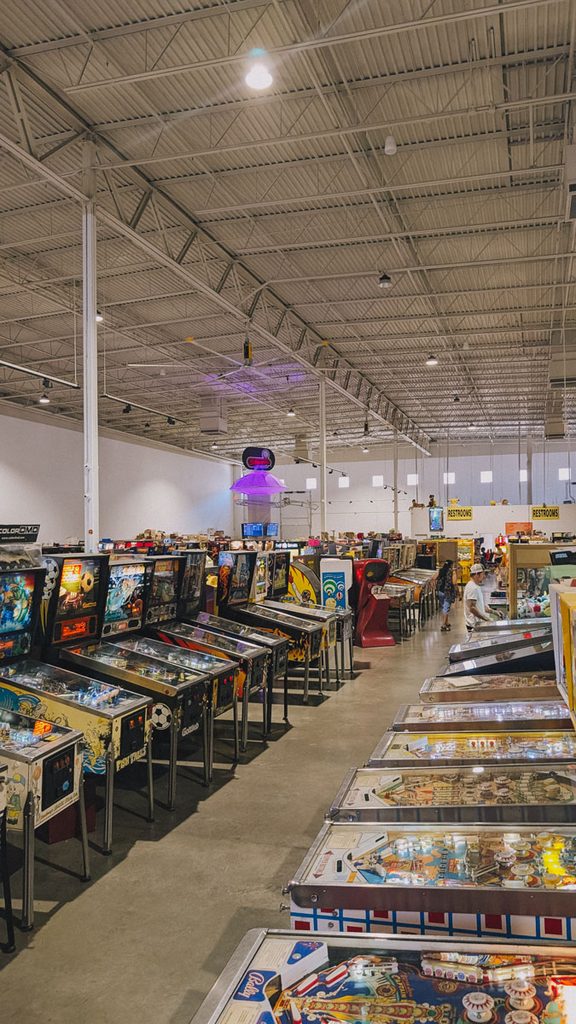
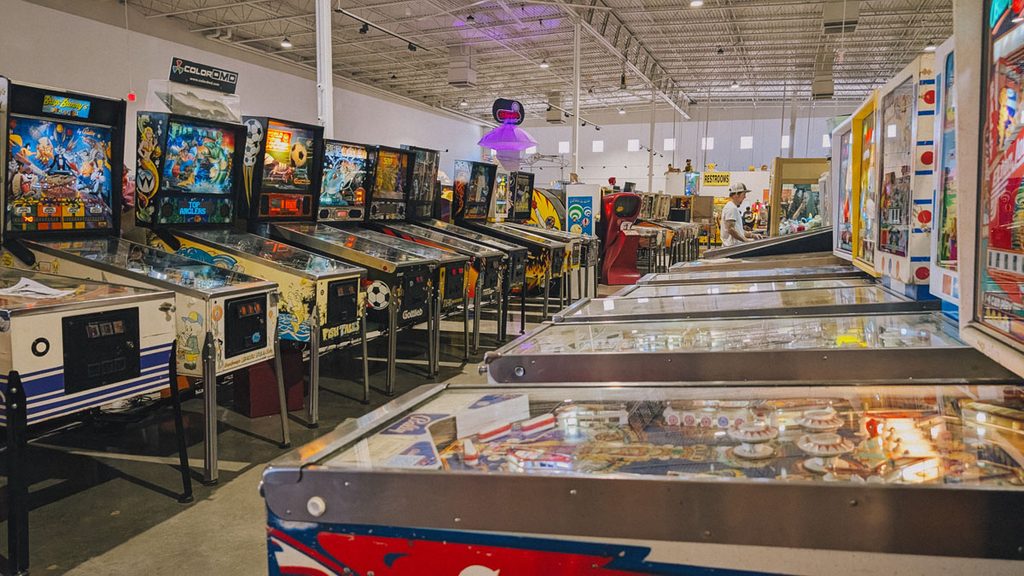
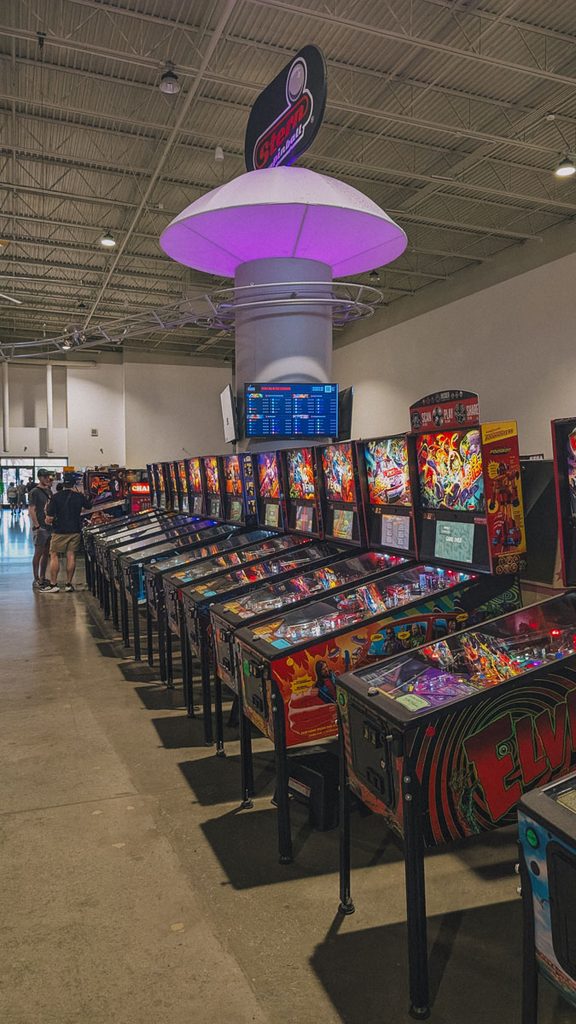
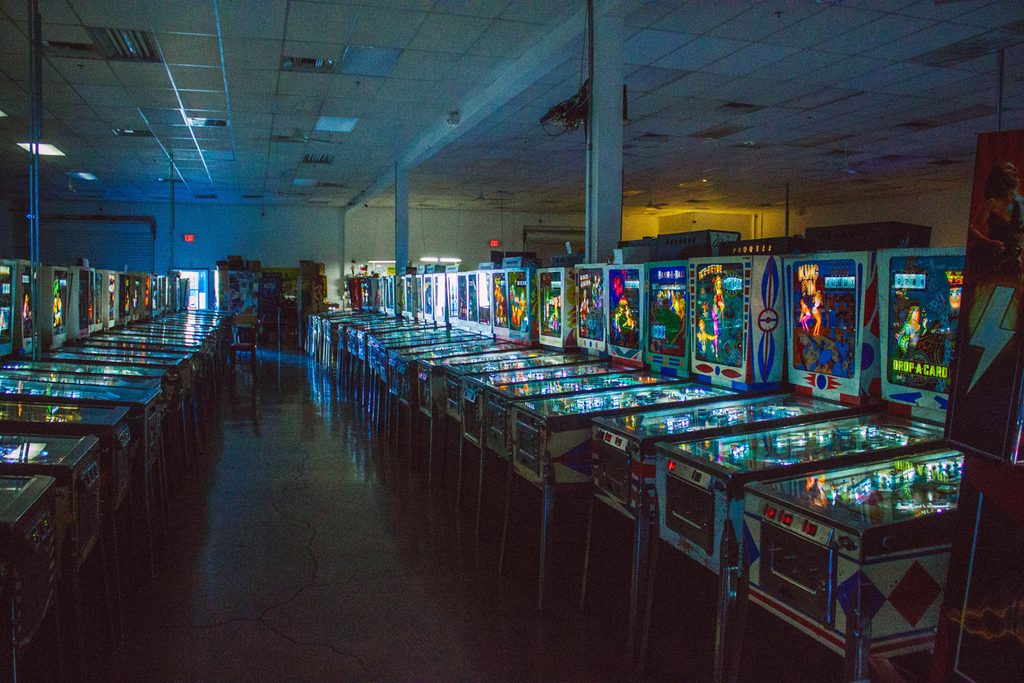
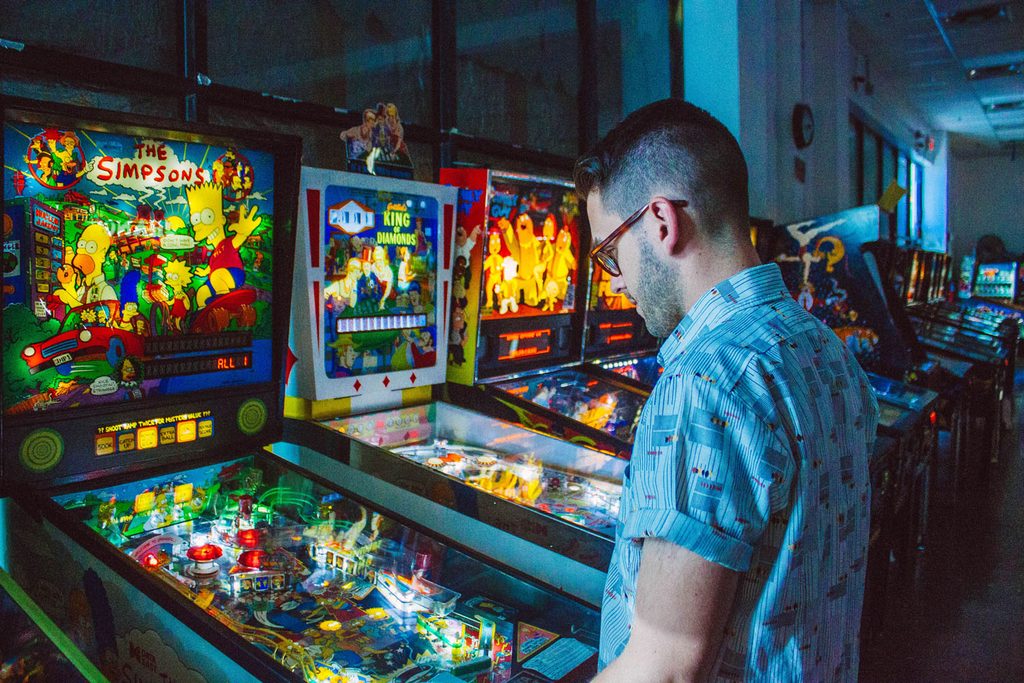
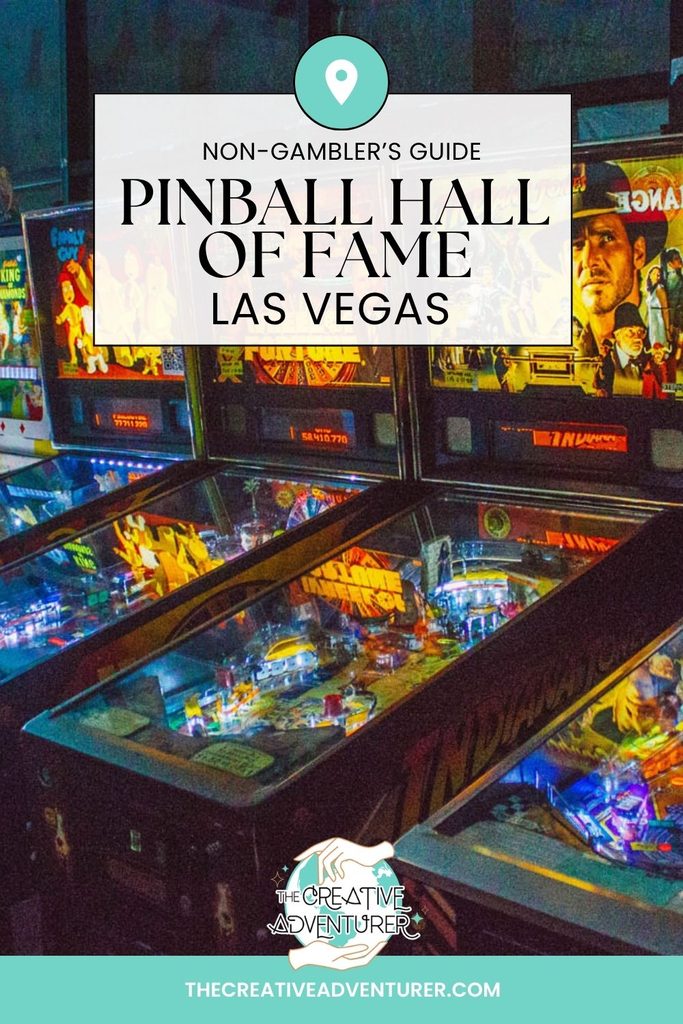
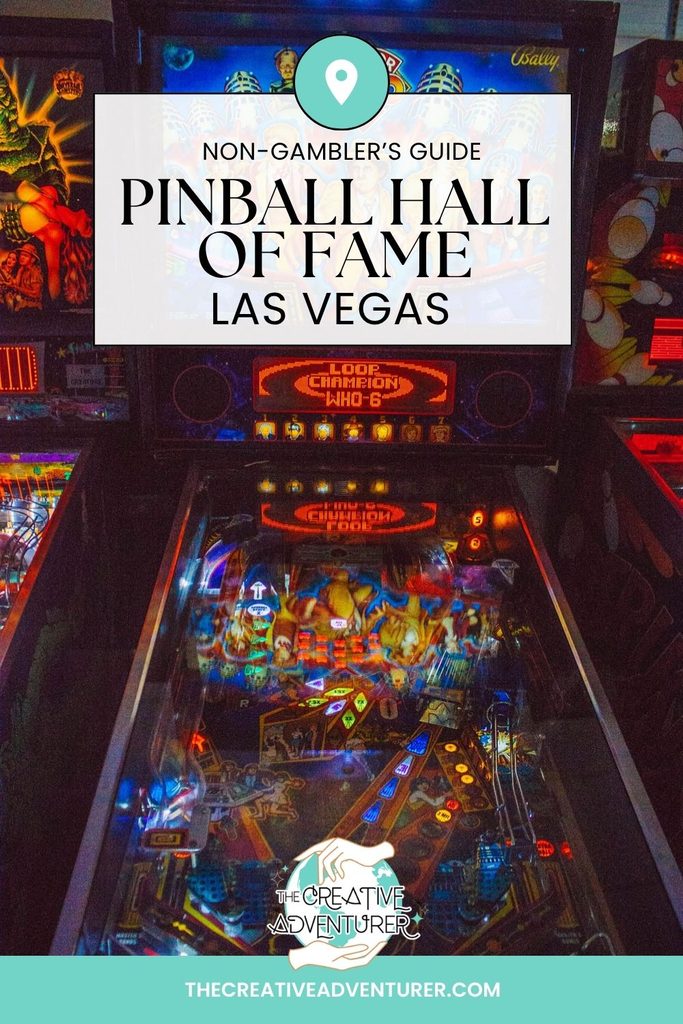
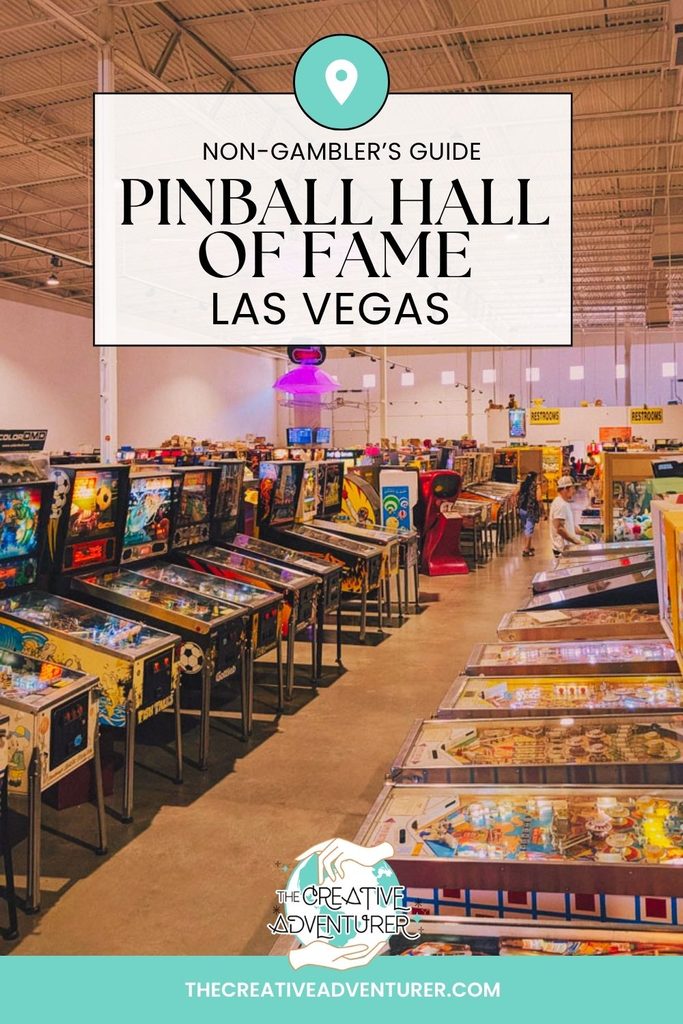
Stepping through the doors, the sensory overload begins. There are rows upon rows of machines glowing in the half-dark, their backglasses lit in electric colours and their flashing lights chasing each other down the aisles. The air is full of the clink and clack of steel balls on snapping flippers, the chime of old bells and the voices of wrestlers and superheroes calling out from the speakers. Every few steps there’s another high score daring you to beat it. Within minutes you’ll find yourself grinning like a kid, pockets full of quarters and no idea where the last hour went. We stayed for hours, and it still felt too short.
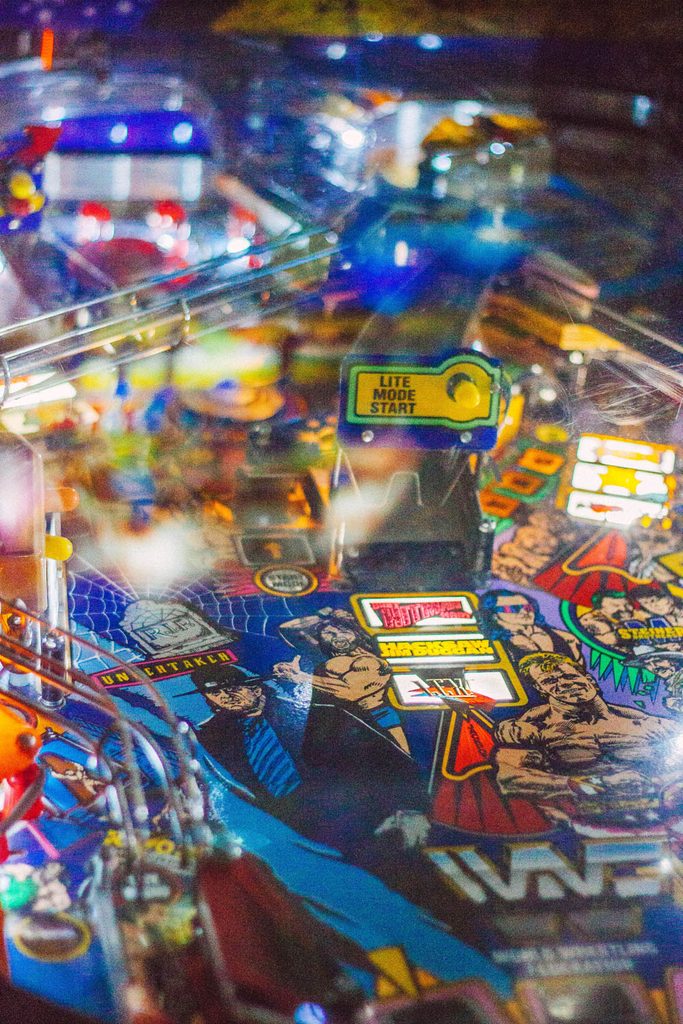
What makes it special is that none of it is behind glass. Every machine is there to be played, and each one is a small piece of history, from hand-painted woodrail tables from the 1950s to the wild, loud classics of the ’80s and ’90s I grew up on. I found myself gasping at the Twilight Zone table as its playfield transformed in front of me, laughing at the Elton John machine and getting goosebumps from the Star Wars score. My husband was in his own world with an old WWF table, and I spent more quarters on X-Men than I care to admit.
And now it’s better than ever. The Pinball Hall of Fame has moved to a brand-new, much bigger home at the south end of the Strip, with a new layout, hundreds more games and a new feel. Whether you’re a longtime pinball wizard, a curious first-timer or a parent looking for something fun that isn’t a casino, here’s everything you need to know before you go.
The History of the Pinball Hall of Fame
The Pinball Hall of Fame started with one man’s lifelong obsession. Tim Arnold got his first pinball machine as a teenager, and by the early 1970s he was collecting in earnest. He and his brother later ran an arcade business in Lansing, Michigan, and Tim did well enough during the arcade boom of the early ’80s to retire in his mid-30s. Instead of scrapping older machines as newer ones arrived, he kept them. Around 1990, he and his wife, Charlotte Owens, packed up hundreds of them and moved to Las Vegas.
In Vegas, the collection kept growing. Tim and Charlotte began hosting “Fun Nights” in a 10,000-square-foot warehouse on their property, where hundreds of fellow pinball fans came to play. Raffles and bags of used pinball parts raised money for local charities, mainly the Salvation Army. Out of those gatherings came the Las Vegas Pinball Collectors Club, which became a registered non-profit in 2006 and opened the first public Pinball Hall of Fame on East Tropicana Avenue that same year.
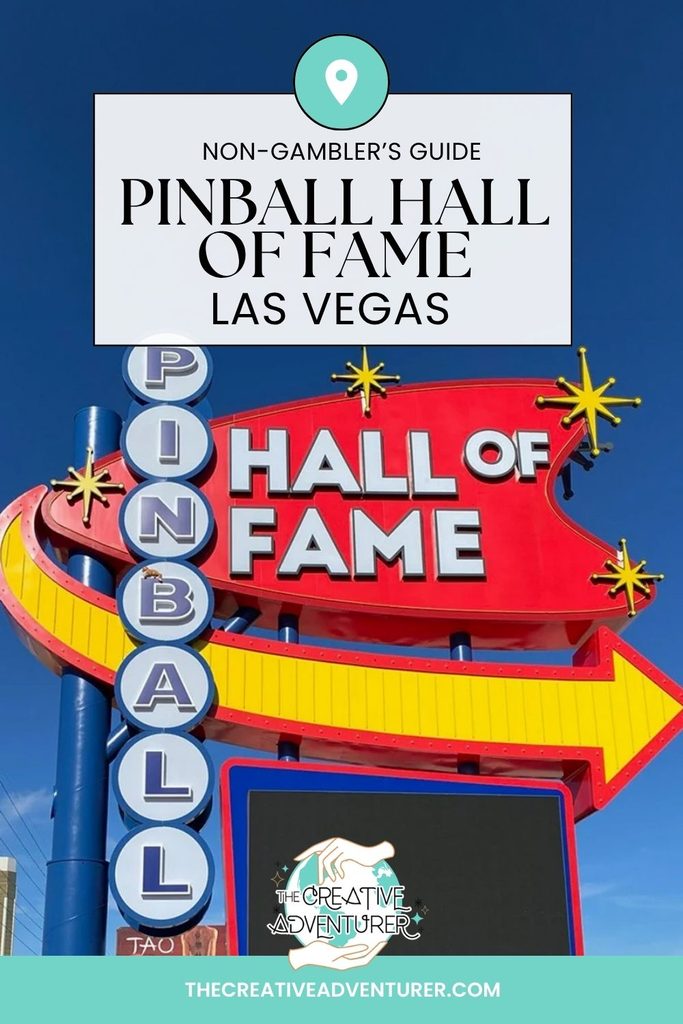
The museum quickly outgrew that space and moved in 2009 to a bigger warehouse at 1610 E. Tropicana, which held about 250 machines. For more than a decade, it was a local favourite that most tourists never found. In 2018, the club bought land on the south end of the Strip to build something much bigger. The new building is a purpose-built, standalone space of around 25,000 square feet, roughly double the old Tropicana warehouse. It’s across from Mandalay Bay and near the “Welcome to Fabulous Las Vegas” sign, with a free parking lot on site. It’s at the south end of the Strip, so take a rideshare or drive rather than walking from the central casinos. It pairs nicely with a photo stop at the sign.
About Tim
Pinball isn’t a money-maker, and owner Tim Arnold has been clear about that. The Hall of Fame is a non-profit because running one for profit would be nearly impossible. Its profits go to local service organizations, and he says the total is in the millions. He and his wife simply wanted to do something that benefited the community.
He’s also said that casino games turn people into zombies, while pinball machines make people happy. He calls them tactile, and no screen can replace that feeling. As the arcades and mom-and-pop shops that once housed these machines disappeared, the Hall of Fame became one of the last places you can play them. Tim is hands-on and has often been found elbow-deep in a machine’s switches and relays, while volunteers keep the floor running.
Access & Hours
Doors open at 10 am. It closes at 9 pm Sunday to Thursday and 10 pm on Friday and Saturday. Go on a weekday morning and early after if you want room to wander.
The Vintage Electromechanical Games
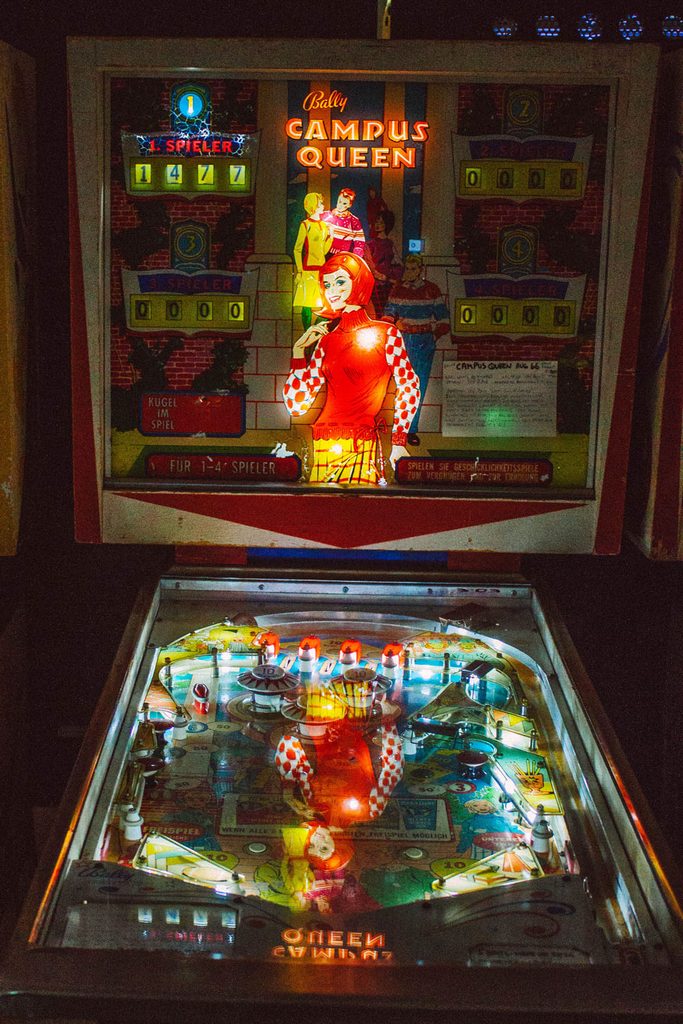
The oldest machines are the real museum pieces. These 1950s and 1960s woodrail tables have chiming bells, rotating score reels and hand-painted backglass art. They play slower and more mechanically than anything modern, and you won’t find them running anywhere else in Vegas.
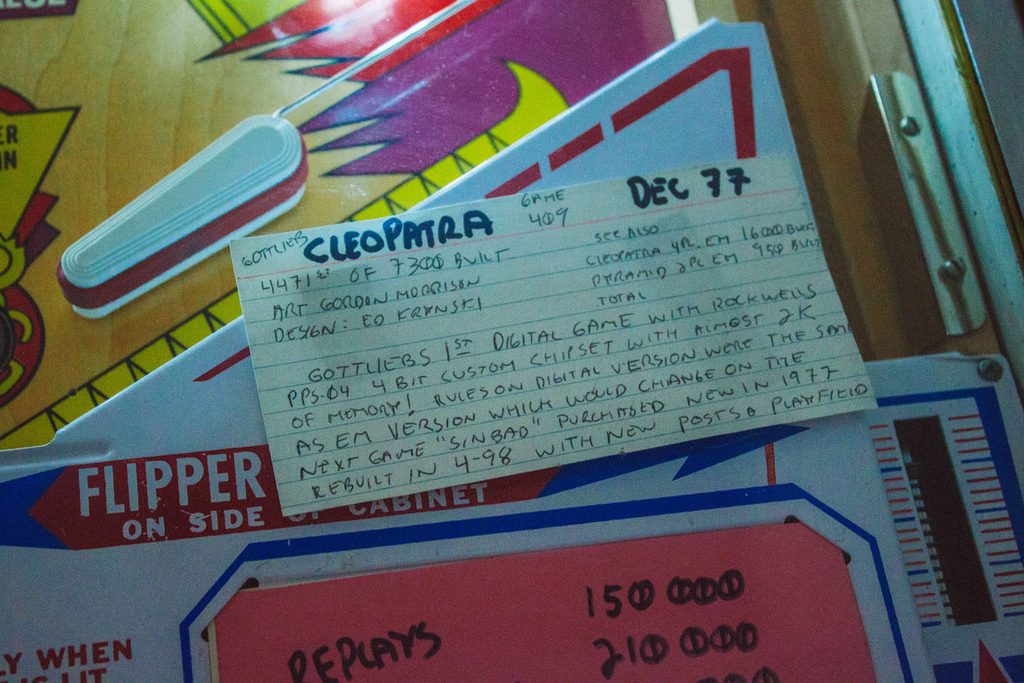
One of my favourite things about the older machines is that Tim or members of the club have written little descriptions about the history of the machines on the front, so you can learn a bit about the history.
Classic Pinball
Further along are the 1980s and 1990s favourites, with the fast ramps, loud callouts and flashing lights most of us grew up with. This is where I spent most of my quarters. Twilight Zone opens up its playfield as your score rises, and X-Men has sliding ramps and great voice acting.
Beyond my favourites, there are tables for nearly every pop-culture obsession: Look for the old casino-era machines, like the Elton John table from Bally’s, whose illustrations are beautiful.
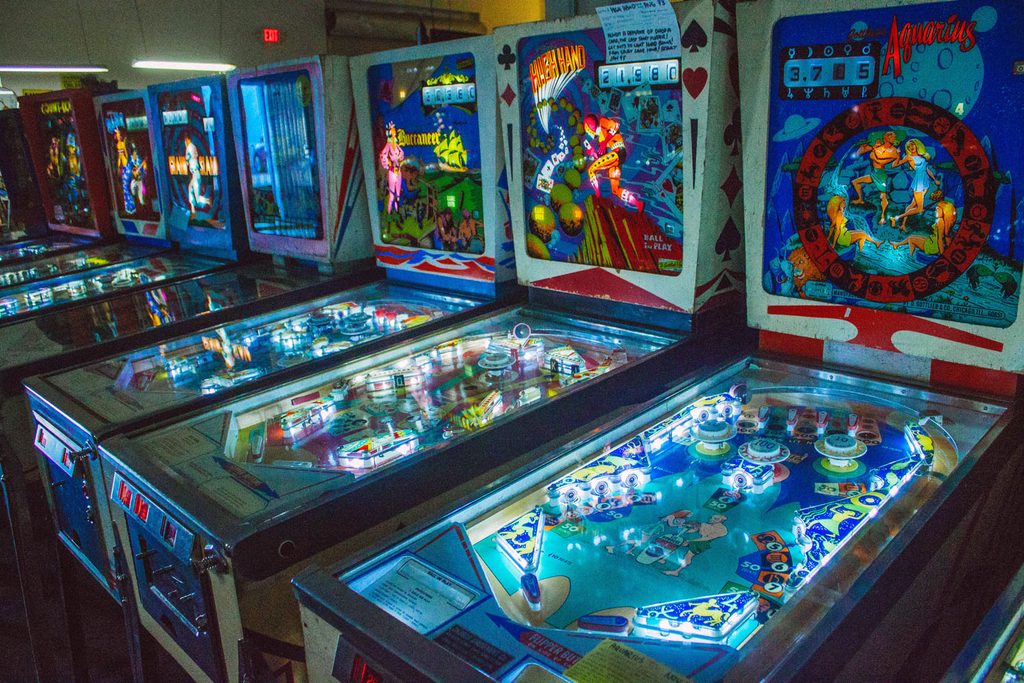
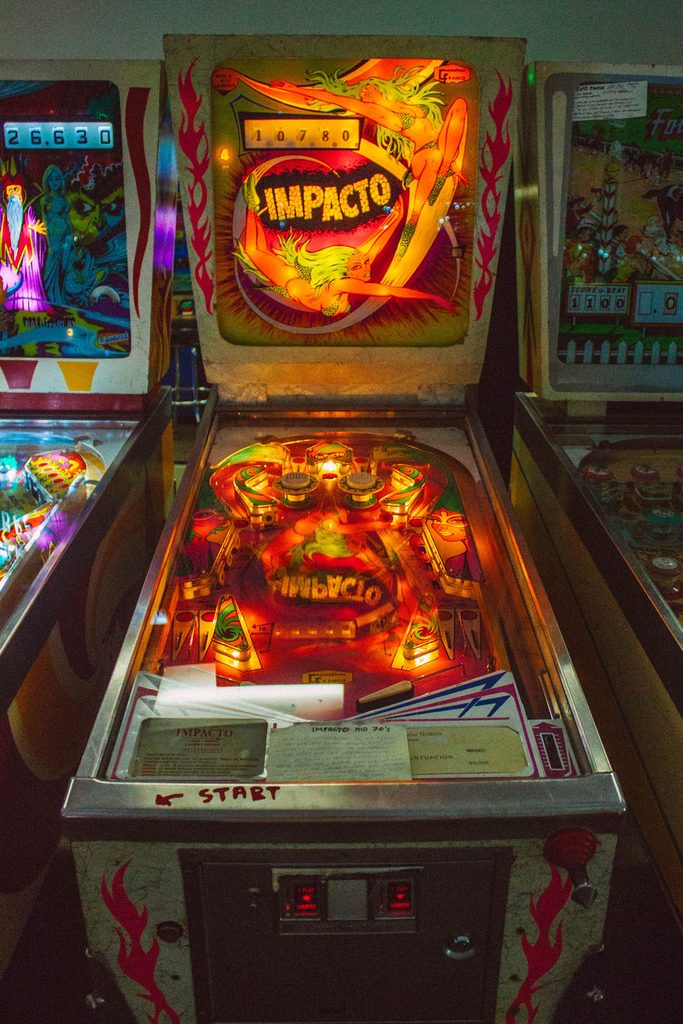
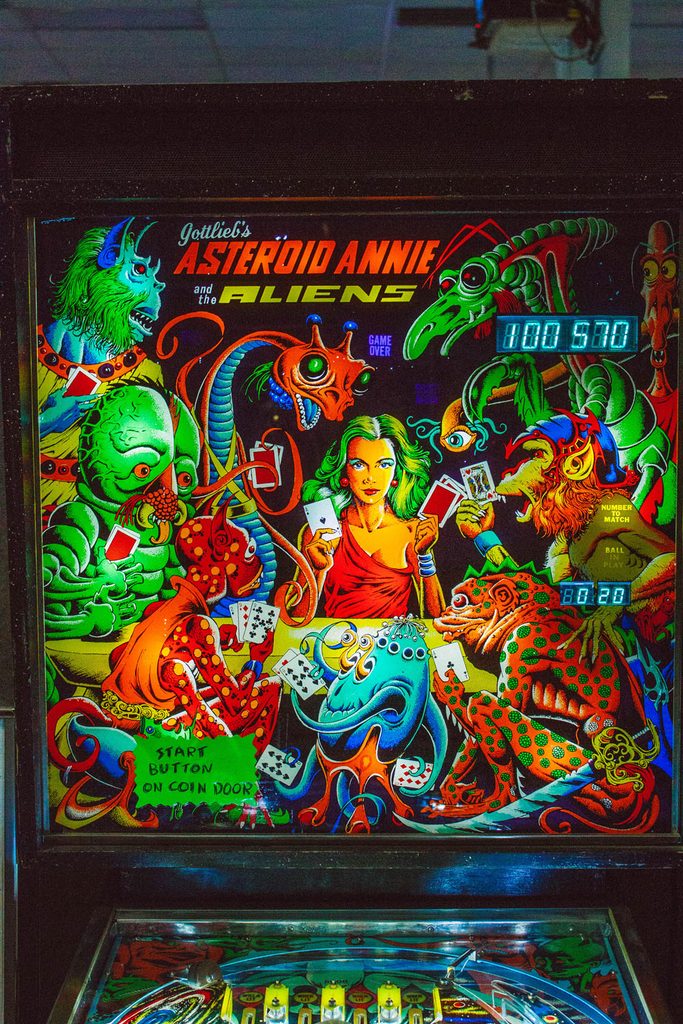
Some themes the machines have are:
- Movies: Star Wars, Jurassic Park, Ghostbusters, Star Trek, Superman, Spider-Man, Shrek, Avatar and Guardians of the Galaxy
- TV and game shows: The Simpsons and Wheel of Fortune
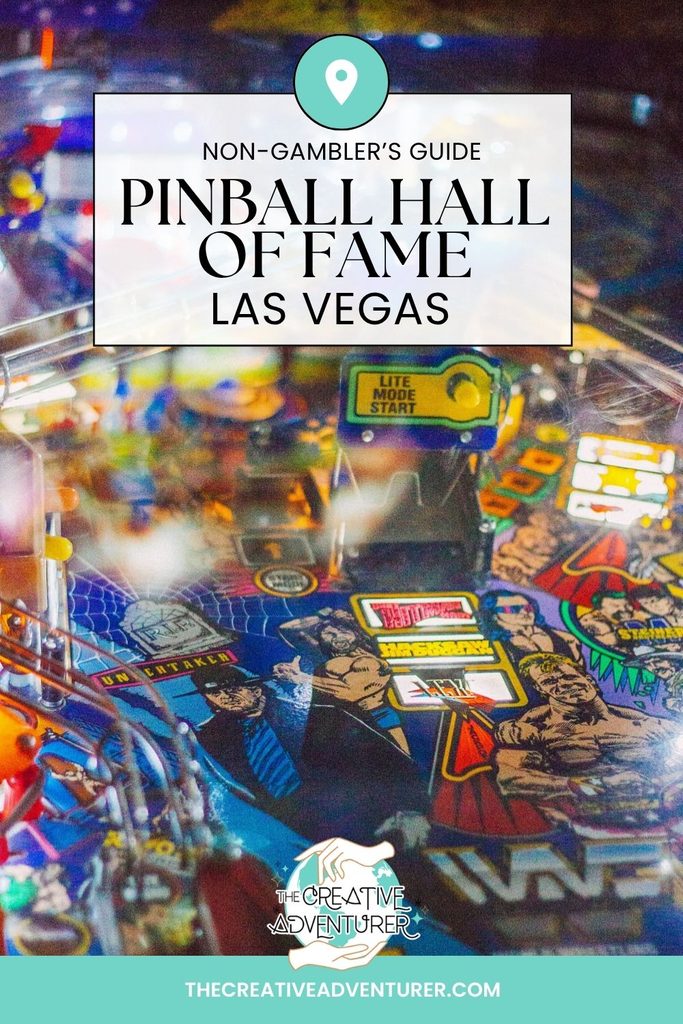
- Wrestling: WWF Royal Rumble, my husband’s favourite
- Oddballs: Waterworld, Monopoly, sports tables of every kind, and a Speakeasy table that suits Vegas
Modern Pinball
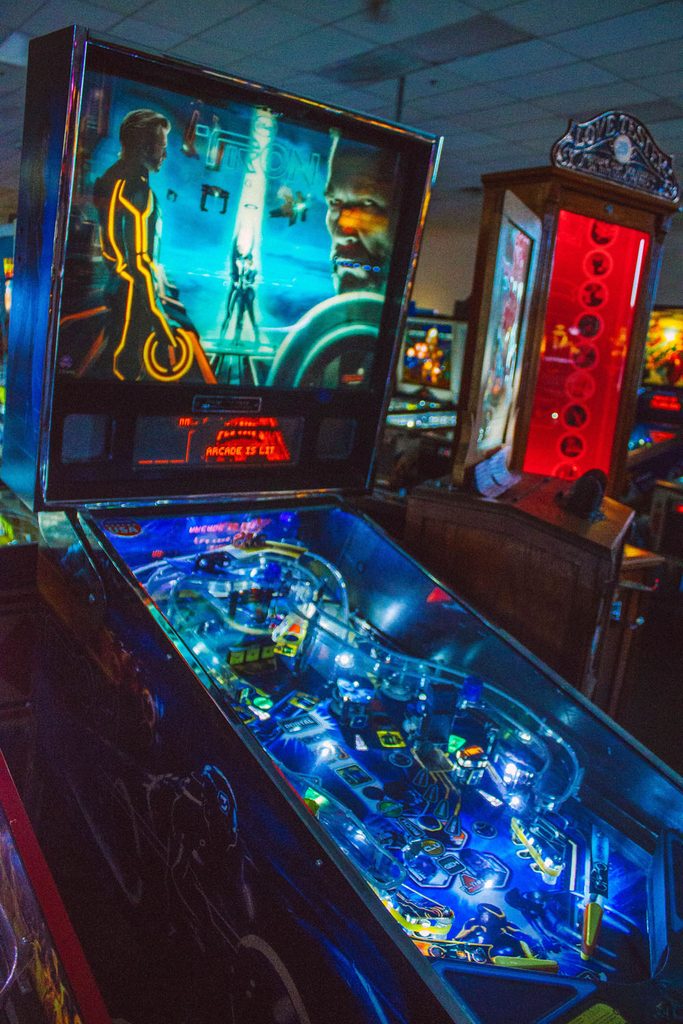
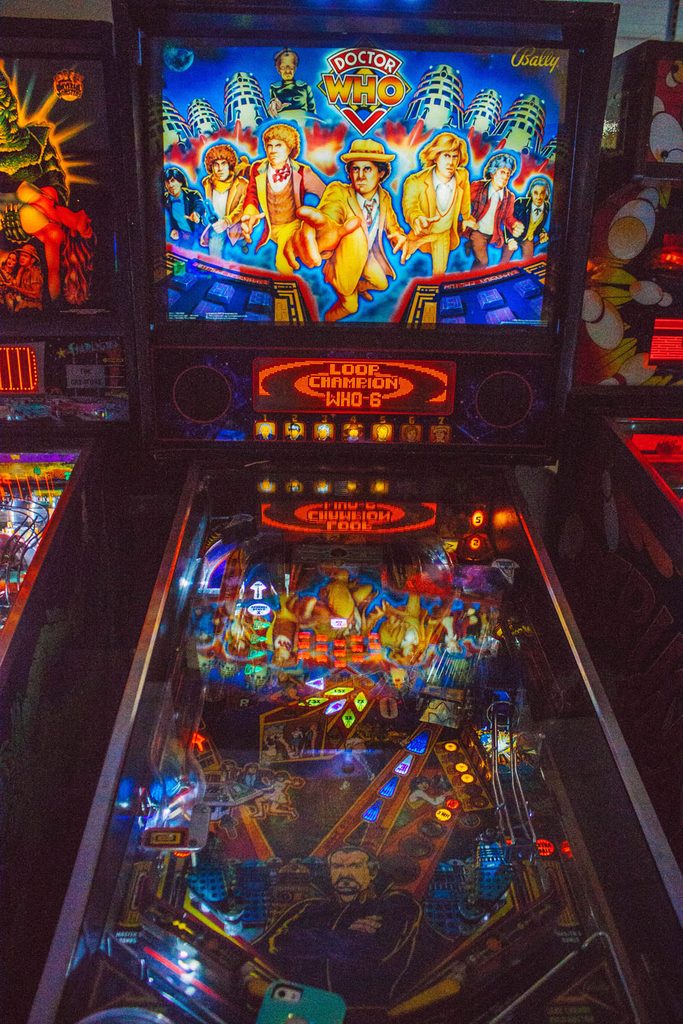
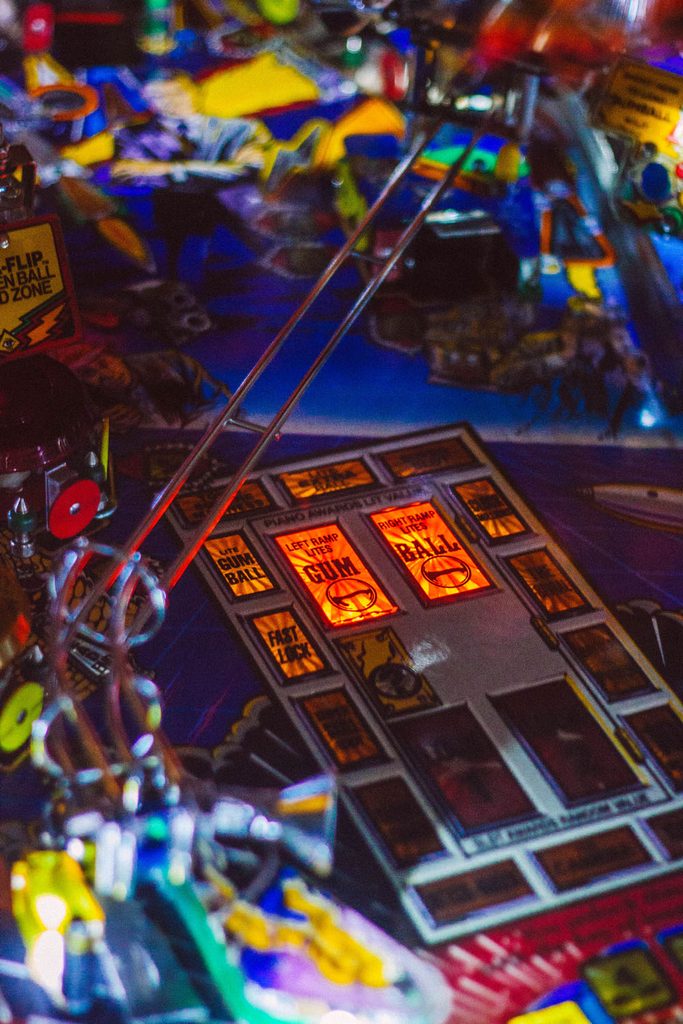
At the newer end you’ll find modern tables with big screens and layered rules. They cost a bit more than the older machines, but they show how far pinball has come.
Classic Video Games
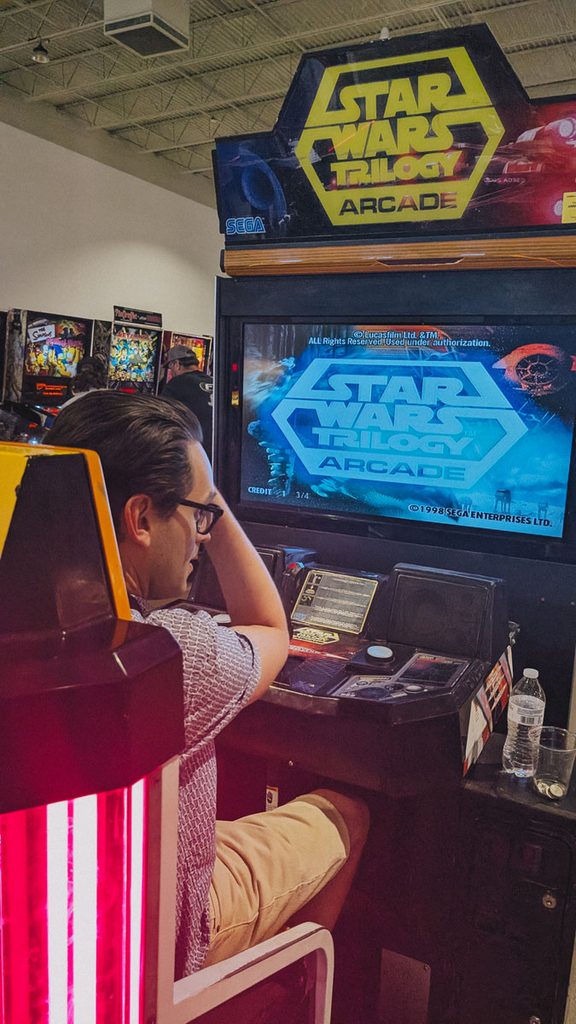
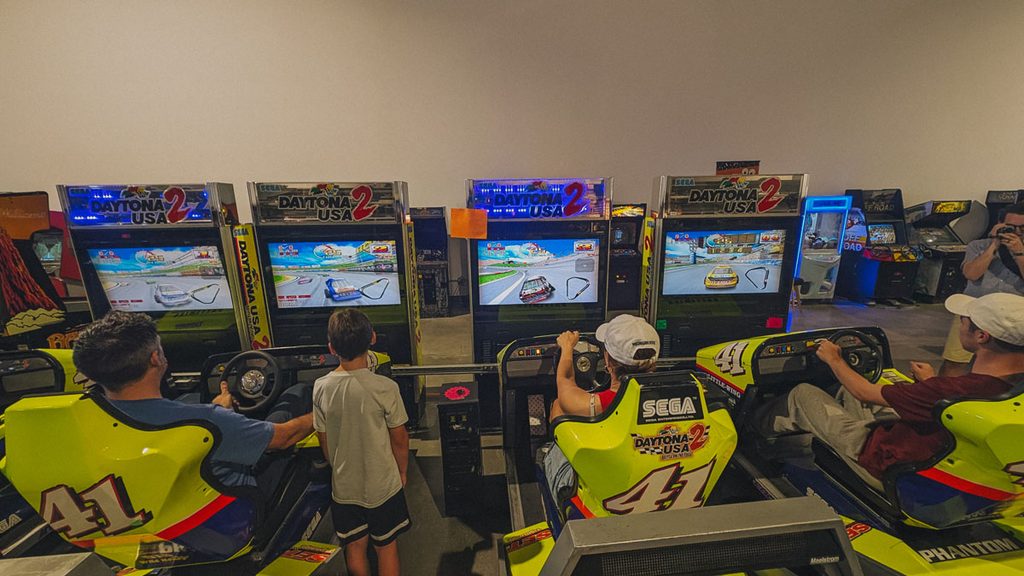
Along the walls are the arcade video games, from household names like Tron and Paperboy to obscure oddities like Wacko and Computer Space. There are more of them here than there were at the old location. Additionally, they have a new collection of racing video games that can be synced up for the whole family!
Novelty and Antique Amusements
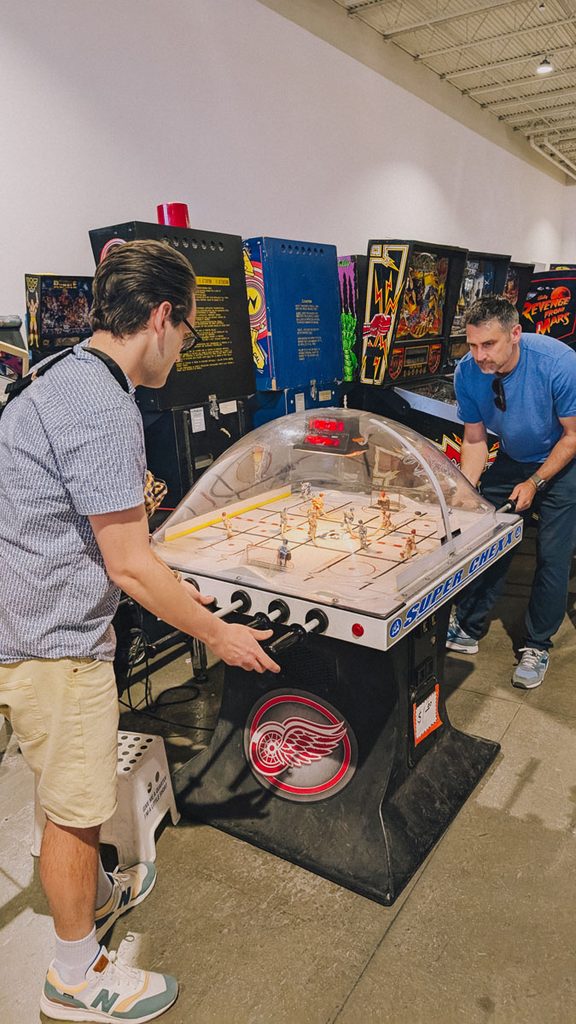
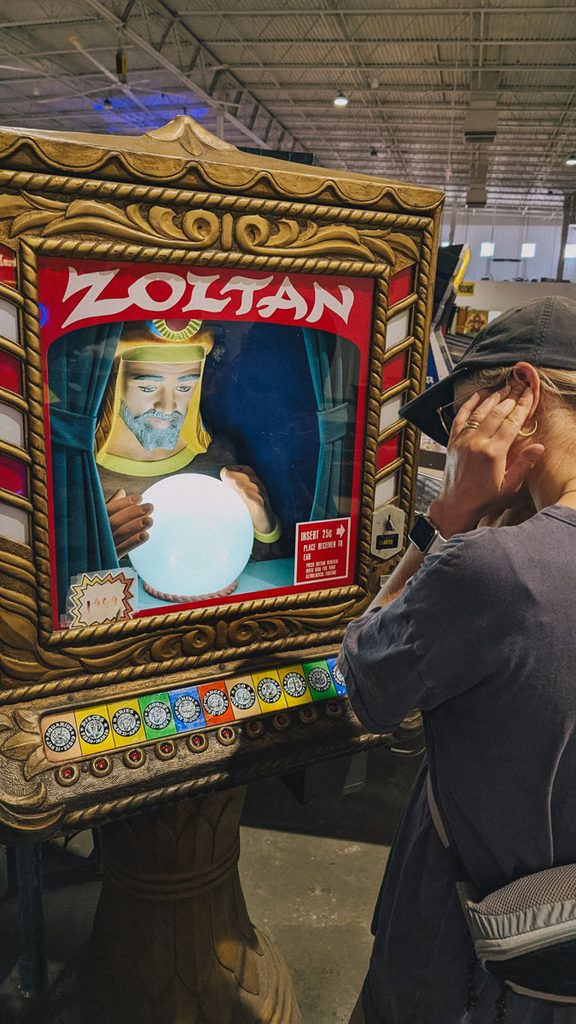
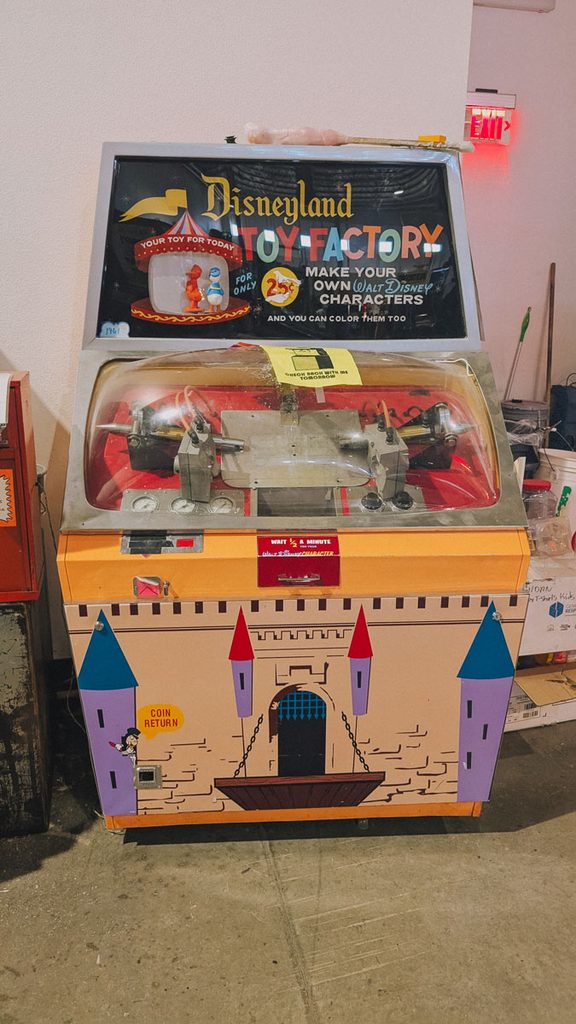
This was my favourite surprise. Scattered between the pinball rows are strange old machines from the early days of the arcade: pitch-and-bat baseball games, mechanical fortune tellers and driving games with moving glass plates. I adored the miniature bowling game, with real (smaller) pins and balls you throw down the lane, and the love testers that we can never walk past.
Prices
Entry is free, and you only pay to play. Games range from 25 cents to $1, but most are about 50 cents (two quarters), with older machines generally cheaper and newer ones costing more. That’s great value in a city where some trendy arcade bars charge about $2 a game. A change machine is on site, so bring small bills and plenty of quarters.
Why It’s a Must-Visit if You’re Not Into Gambling
Las Vegas has plenty to offer if you don’t gamble, but much of it costs a lot. Shows, nightclubs and trendy arcade bars add up fast. The Pinball Hall of Fame is the opposite, and here’s why I think it’s one of the best things to do in Vegas.
- It’s cheap. Entry is free, and a few dollars of quarters can fill an hour or two. Unlike a slot machine, every quarter buys you a real game of skill.
- It’s hands-on. You’re playing the real thing, from woodrail tables to modern machines, not watching someone else’s show.
- It’s for everyone. Nostalgic adults, kids who’ve never seen a flipper, couples and groups of friends can all play without experience. There’s no dress code and no minimum spend.
- Your money goes to a good cause. The museum is a non-profit, and playing a few games helps keep this one-of-a-kind collection alive.
- It’s a window into history. You can walk through decades of pinball and play machines you won’t find running anywhere else in Vegas.
- It’s easy to fit into a trip. Drop in for 30 minutes or spend an afternoon.
Pinball Hall of Fame FAQ
How much does it cost?
Admission is free, and you only pay to play. Games range from 25 cents to $1, though most are about 50 cents. Bring small bills for the change machine.
Where is it, and is there parking?
It’s at 4925 S. Las Vegas Blvd, on the south end of the Strip across from Mandalay Bay and near the “Welcome to Fabulous Las Vegas” sign. There’s a free parking lot on site.
Can you actually play the machines?
Yes. Hundreds of vintage and modern pinball machines are fully playable, along with classic arcade video games and novelty amusements.
Is it kid-friendly?
Yes, and families visit often. Minors must be accompanied by an adult.
Is there food or a bar?
No. There’s no restaurant or bar, and alcohol isn’t allowed inside. You can still grab a drink from the vending machines, and there are snacks like popcorn and retro candy. Eat beforehand, especially if you plan to stay a while. It’s easy to lose track of time here, and you won’t want hunger cutting your session short.
How long should I stay?
Most people spend 30 minutes to two hours inside. We stayed for hours, so allow longer if you’re a pinball fan.
Most visitors never leave the main Strip, but this place is worth the short trip south. It was built by collectors who want to share what they love with you, and every quarter helps keep it going.
Have you been to the Pinball Hall of Fame? What was your favourite machine? Leave your thoughts in the comments, or let me know what else you’d like to see on our Vegas guides.
Happy Travels, Adventurers!



Leave a Comment