
One stop west of Shinjuku Station, Tokyo’s busiest, you’ll find Nakano. It feels like everything we dream Japan will be: great ramen shops, grandmothers’ dumplings, bustling covered shopping streets and the best of Japanese pop culture. Better still, Nakano is low-rise. Unlike Shinjuku, with its towering neon skyscrapers, it feels like a quiet suburban community.
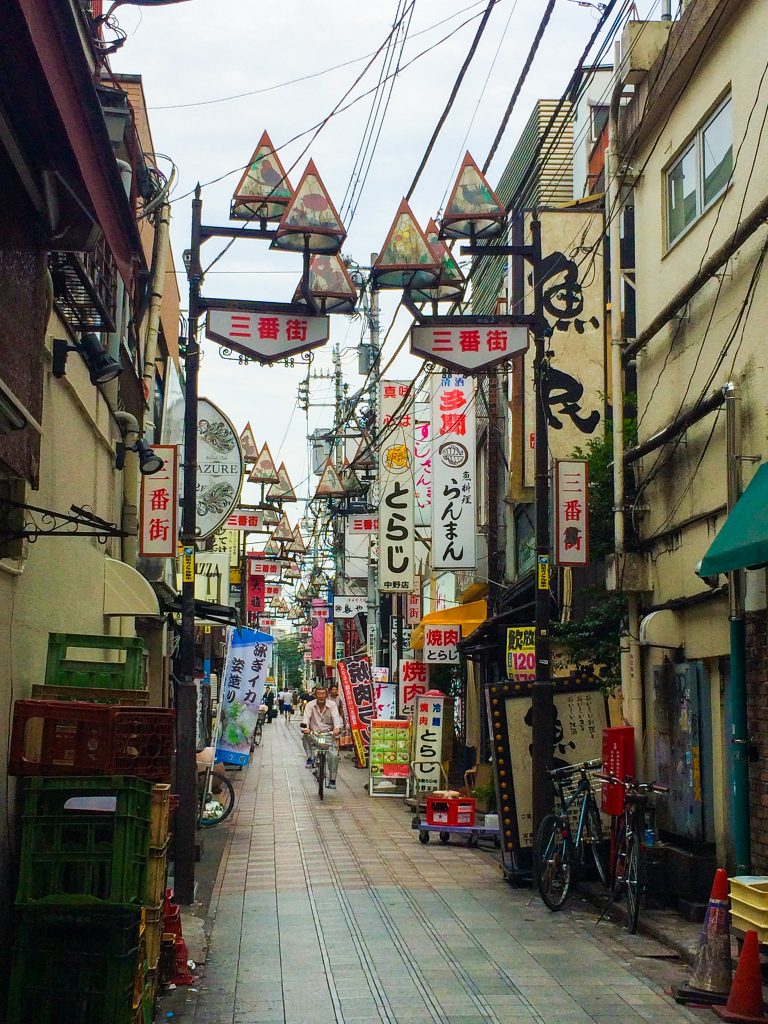
This guide follows one full day here, from a stroll down the Sun Mall to the 1960s architecture of Nakano Broadway, a temple garden and a late-night karaoke booth. Come for the art, the history and the architecture; stay for the soft serve.

Before You Go
Nakano is an easy trip from Shinjuku, and the best plan is to arrive around noon, when most shops open.
- Getting there: Nakano Station is about five minutes from Shinjuku on the JR Chuo Line, and also on the Chuo-Sobu Line and the Tokyo Metro Tozai Line. Take the north exit, walk the 225-metre Sun Mall arcade, and you’ll reach Nakano Broadway in about five minutes.
- Hours: Shops in Nakano Broadway set their own hours. Mandarake is open daily from noon to 8 pm, and many other shops follow a similar schedule. Daily Chico in the basement opens at 10 am.
- Closures: Tokyo’s tourism listings differ on the building’s maintenance closure: one says a third Wednesday, another says only the third Wednesday of February. Check before you go. Coffee Zingaro usually closes Tuesdays and Wednesdays.
- Temple: Araiyakushi Baishoin is open 9 am to 4 pm. Fire rituals (goma) take place on the 8th, 18th and 28th of each month, and an antiques fair runs on the first Sunday.
- Timing: Weekends are crowded. A rainy day suits Nakano Broadway well, since everything is under one roof.
- Getting around the building: The escalator from the first floor skips the second and lands on the third. Use the stairs or elevator for the second floor.
Where to Stay
Shinjuku Grandbell Hotel
To preserve that neighbourhood vibe, Nakano doesn’t have a ton of hotels to speak of. One of the best ones close by is Shinjuku Grandbell Hotel. The Grandbell has a wonderful boutique vibe, making it much nicer than some simpler and sometimes austere business hotels. Rooms range from $150-$200/night. Although the economy rooms are small, almost all of them have incredible windows with natural light and even a little table to sit at and enjoy the view.
Nakano Sunplaza
The Nakano Sunplaza has been a distinctive landmark and attraction in this vibrant area of Tokyo for years. It has a concert hall, a hotel, restaurants, banquet rooms, wedding venues, training rooms, a fitness center with a swimming pool, a music studio, and sports and recreational facilities. It’s located right outside Nakano station, so if you want to stay in the area, there is no better place to be! Rooms go for about $170 USD a night.
BnA Hotel – Koenji
To stay somewhere entirely different, you must check out BnA Hotel. This hotel is literally like staying inside a work of art. Each one of their artisanal rooms is designed and built by local Japanese artists and a team of architects, textile designers, and carpenters. Staying here is an amazing experience for you and supports Tokyo’s local art scene. There are currently only two rooms available, but they plan to expand. Rooms are only around $160 USD a night, so book very far in advance if you want to stay here!
Map of Nakano
What to do
Nakano Sun Mall
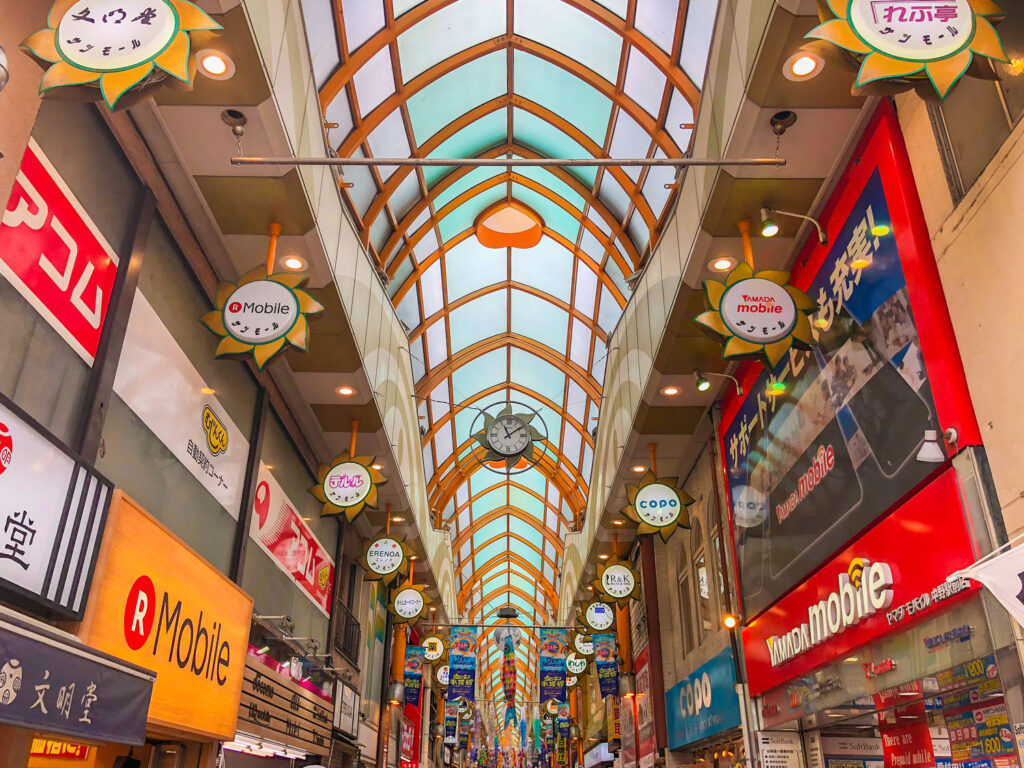
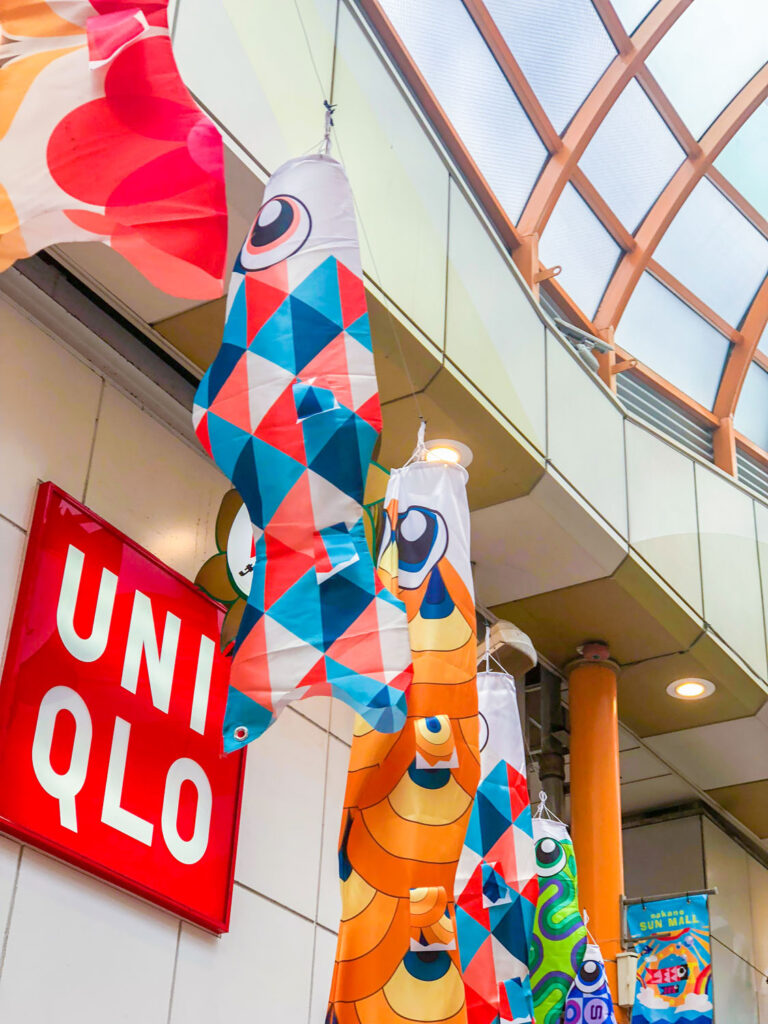
Begin your day at the north exit and let the Sun Mall carry you to Nakano Broadway. This 225-metre glass-covered arcade is lined with food joints, cafés, jewellers, fashion boutiques, pharmacies, game centres, bookstores and electronics shops.
Nakano Broadway
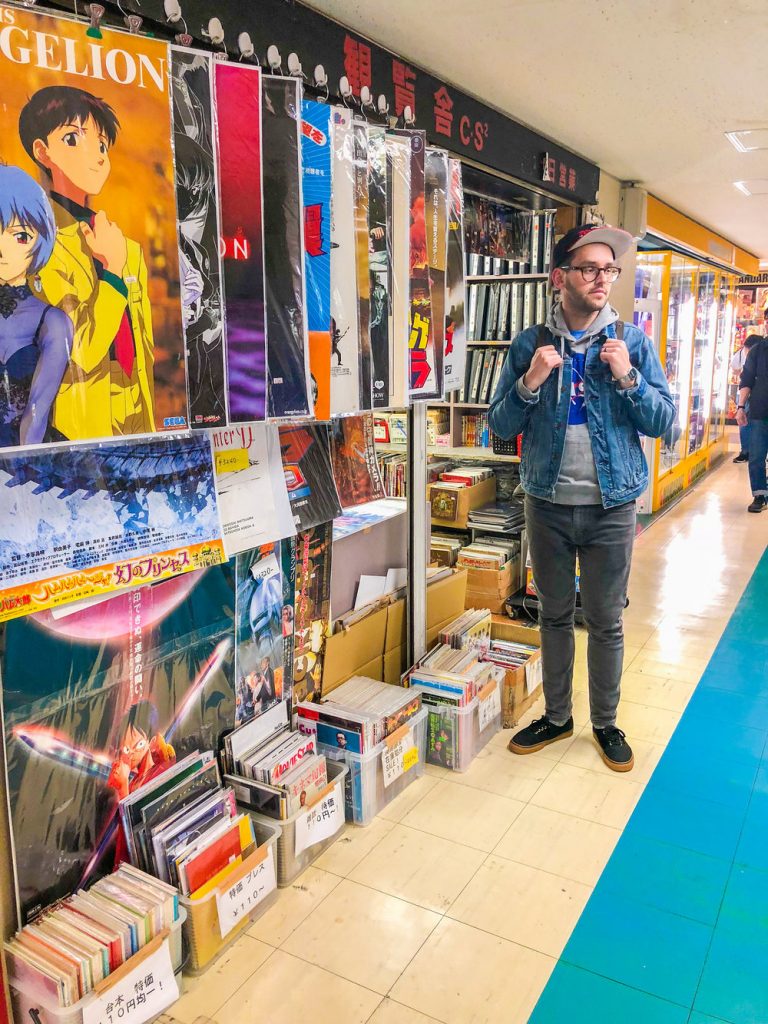
At the end of the arcade stands Nakano Broadway, a piece of 1960s ambition. It opened in 1966 as a complex of luxury boutiques and apartments, ten storeys above ground and three below. Shops fill the basement to the fourth floor, while the apartments above have a rooftop pool and garden. When the upscale shoppers drifted away, vacant units were filled with collectors’ shops. The turning point came in 1980, when Mandarake opened a small secondhand manga shop here. Today it runs dozens of specialist shops across the building.

Many people (me included) travel to Akihabara for these types of finds. But after visiting Nakano, you’ll see this is, without a doubt, the better place to go. You don’t need to travel blocks from shop to shop to find an individual item, dodging a tirade of girls in maid costumes handing out flyers on your way. Everything is in one little building, and the indoor feature makes it an excellent option in the rain, intense heat or frigid cold! The variety, sheer amount of stuff and quality are much greater here than in Akihabara. Rental space is much cheaper, so businesses can sell better items at more reasonable prices.
Floor by Floor Inside Nakano Broadway
Basement – Daily Chico
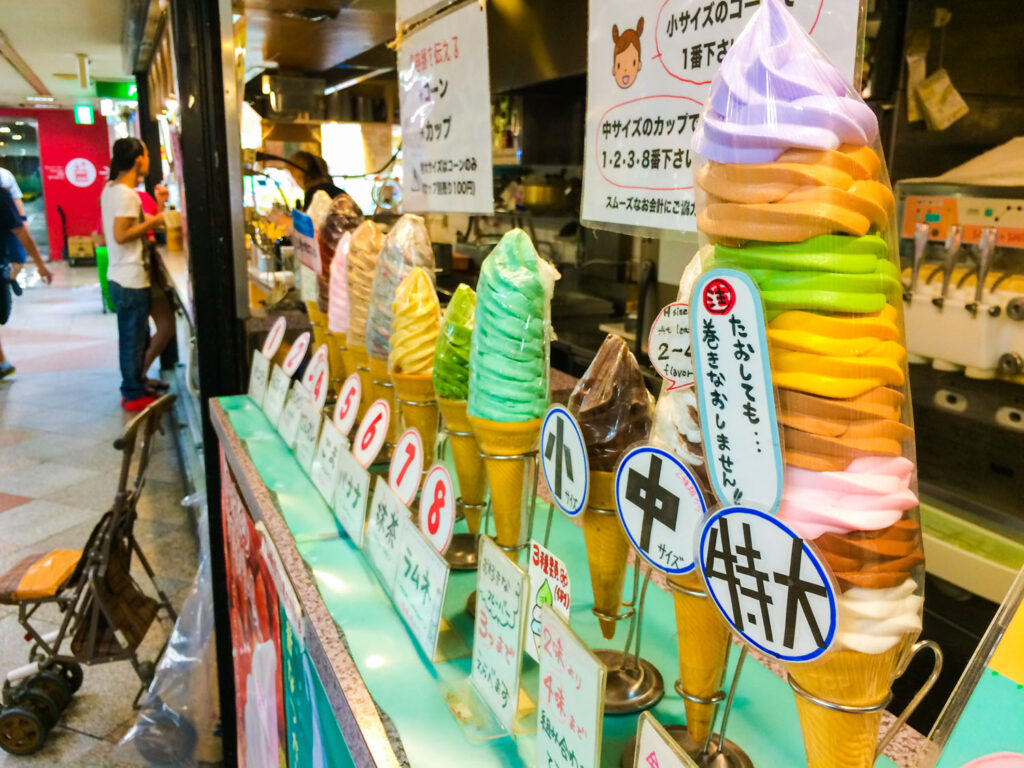
While exploring Nakano Broadway, there are two places inside you absolutely need to check out to grab something to eat or drink. One of these is located in the basement. Daily Chico doles out soft serve ice cream in a rainbow of colours. Their most popular order is the eight-story stacked cone, which gives you a taste of all their different flavours. It might look like a lot, but trust me, one person can easily polish it all off; it’s just that good!
Taisei Shokuhin Noodle Market
The Taisei Shokuhin Noodle Market is a 100-year-old noodle-making shop open in the basement of Nakano Broadway. Locals will come here to buy fresh Chinese noodles, tsukemen, pure fresh pasta, and Inaniwa-style udon to bring home for their dinner. And while you can do the same, you can also get them to make up a fresh bowl of their daily special if you are craving some delicious noodles.
1st Floor
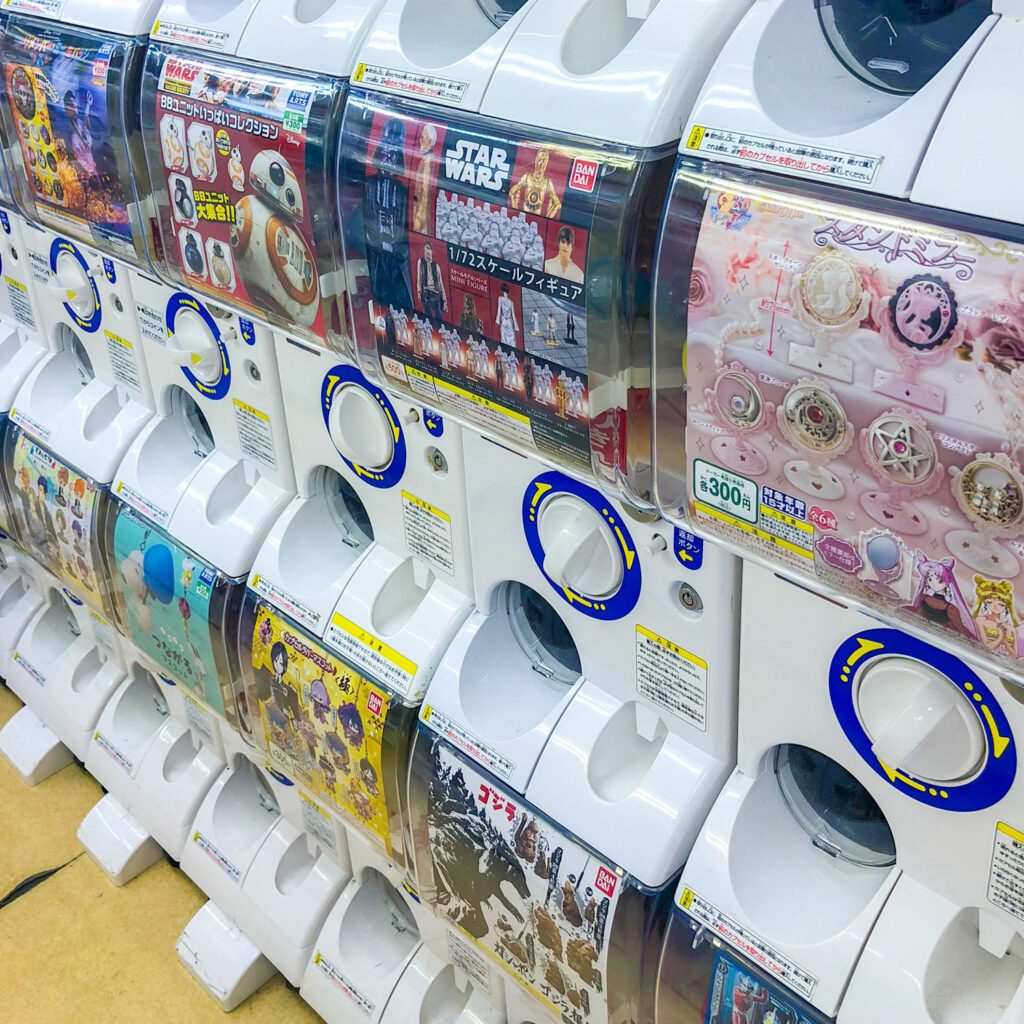
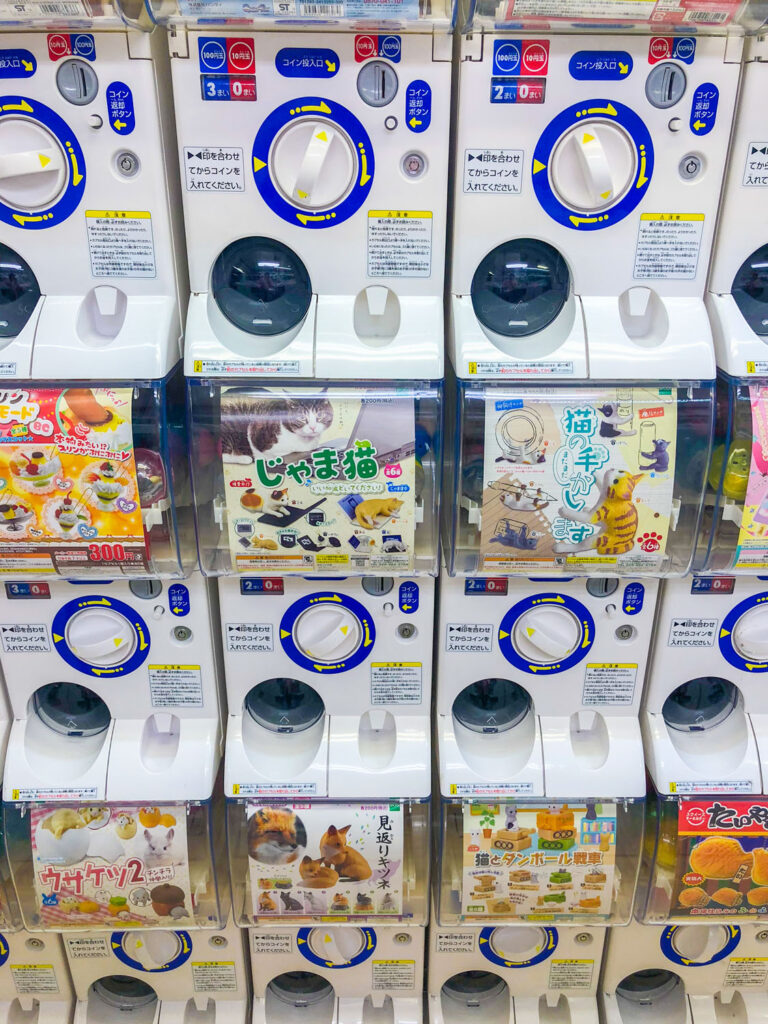
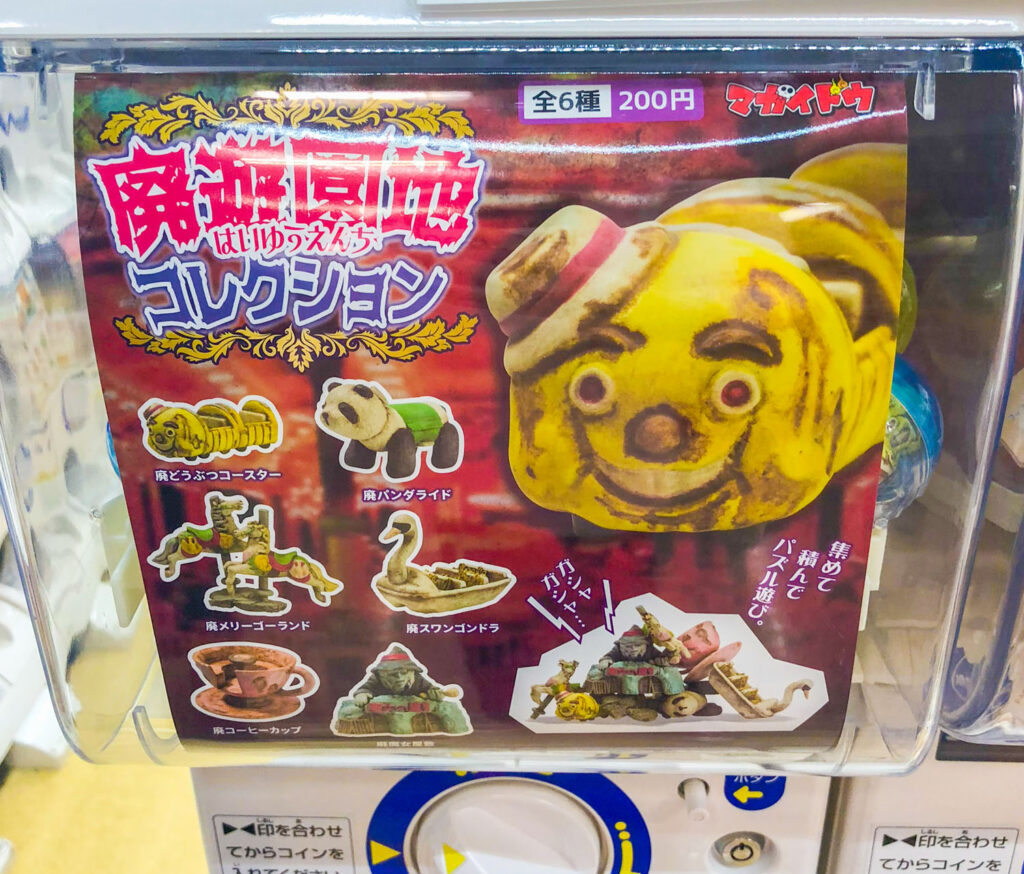
Nakano Broadway has an incredible array of Gachapon machines. There are three main areas spread across the floors, but you’ll also find small groupings of machines in front of various shops throughout the building. We even found a few vintage machines with older toys on the basement level. I got a Sailor Moon plastic finger puppet that looked like it had been there since the show first came out. There were also many modern vending machines selling various gachapon sets I hadn’t seen in other locations. If you’re a collector, this is the place to come to for the newest gachapon collections.
Freedom Garage
Freedom Garage is a second-hand shop located on the first floor of the Nakano Broadway shopping complex in Tokyo, Japan. It is widely considered a treasure trove for anime and animation enthusiasts.
The store is known for its narrow shelves packed with an impressive selection of animation merchandise, featuring popular franchises such as Naruto, Gintama, and various Studio Ghibli properties. The inventory is thoughtfully organized by character, making it easy for die-hard fans and casual shoppers looking for unique souvenirs to navigate the store and find their favourites. Overall, Freedom Garage offers a charming shopping experience that captures the essence of Japanese anime culture.
2nd Floor
Coffee Zingaro
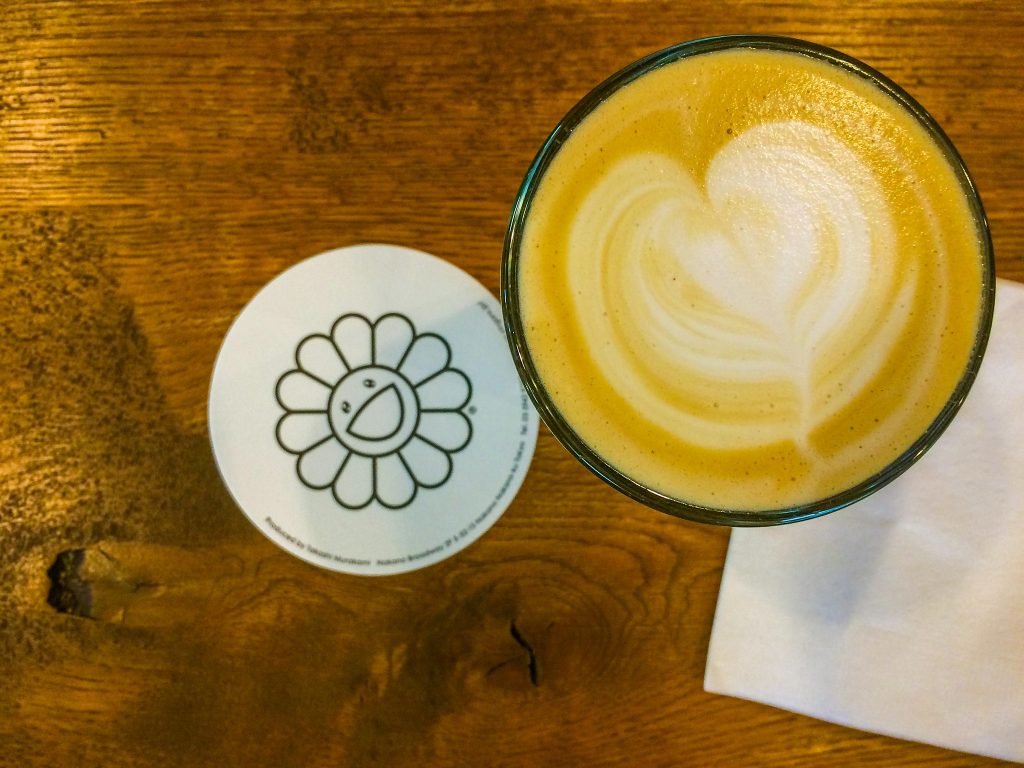
Coffee Zingaro is a retro café by contemporary artist Takashi Murakami, with a colourful Showa-era interior (Japan’s 1926 to 1989 era), his flower motifs, and tables that double as game consoles. Nearby, a tiny vintage shop devoted to Japan’s Godzilla fills its shelves with figurines and film posters, alongside characters from Japan’s golden age of cinema like Astro Boy, Gigantor and Ultraman. It feels more like a museum than a store.
Collector Toy Box
Collector Toy Box, or as I call it, “the Godzilla store,” features vintage merchandise specializing in Japan’s own Godzilla monster. You can find plastic figurines, movie posters and more in this tiny little shop. There are also more items from Japan’s golden age of cinema here, with characters like Astro Boy, Gigantor and Ultraman. Walking through this store is more like a museum, so even if you don’t plan on buying anything, check out this place to see a piece of Japan’s history.

3rd Floor
ROBOT ROBOT2
If you’re looking for Disney goods, check out ROBOT ROBOT2 on the 3rd floor. They sell different Disney Resort merchandise, from pins, stuffed animals and clothes. This place is also known for its collectible car models and original “cells.”

4th Floor
Mandarake
Mandarake is a big name in manga and anime in Japan. They have an enormous multi-level store in Akihabara but their location in Nakano, established in 1980, is nothing to scoff at. The one on the second floor functions as a secondhand bookshop where people can trade used manga or books they’ve already read for other secondhand books. It’s a great way to encourage reading by lowering prices, promoting recycling, and reducing waste. Manga (Japanese comics) are usually very quick to read but not always super cheap, so this is a great option for avid readers with a small budget.

Mandarak Toys
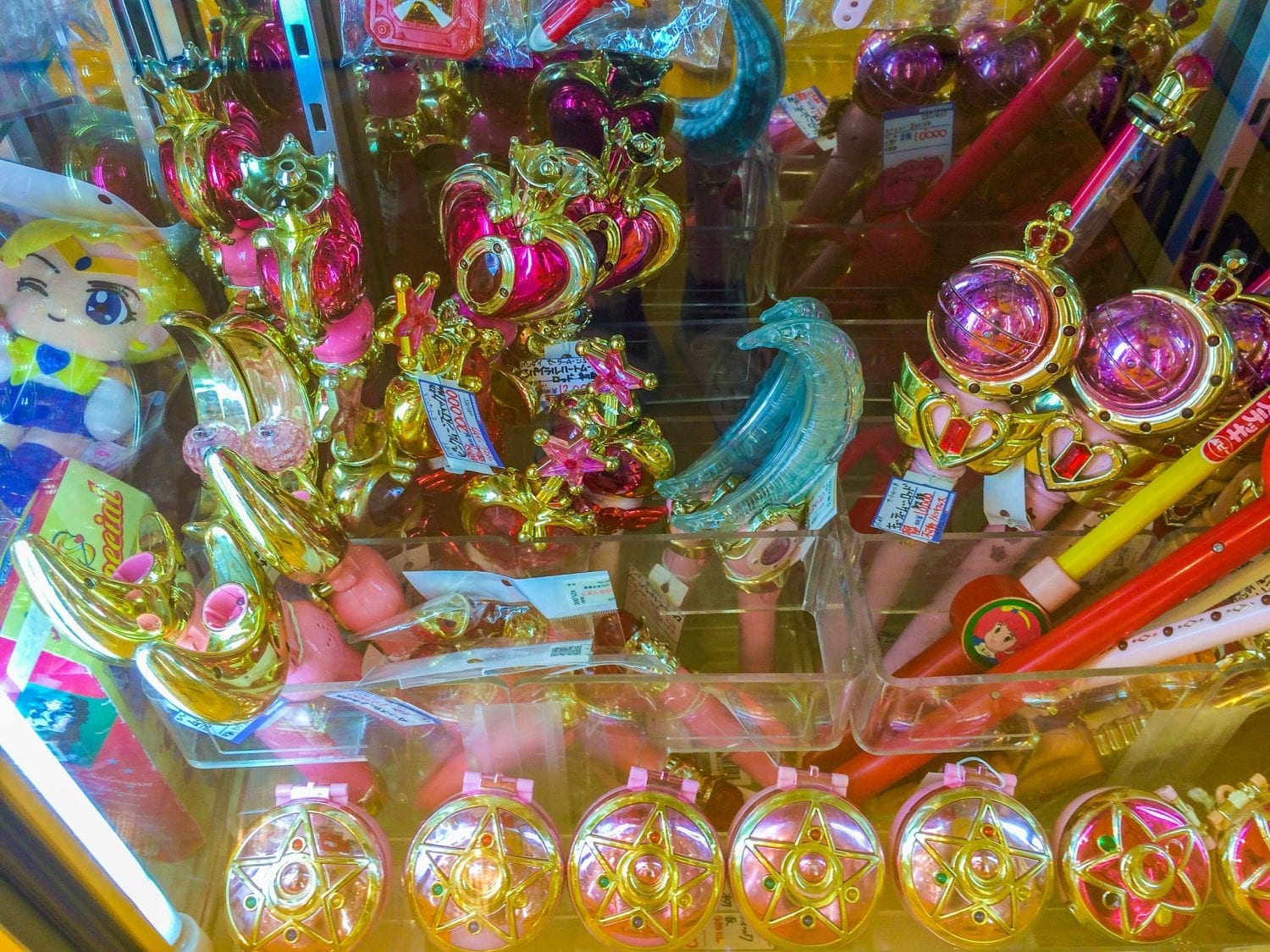
Located inside the yellow-lined shops are Mandarake’s used vintage toy stores. These were my favourites to visit as they had all the best Sailor Moon collectibles. Growing up, Sailor Moon was one of my favourite shows. Although Sailor Moon was being aired on TV, it was still pretty niche in Canada, and none of the big kids’ toy stores sold any merchandise relating to the show. Little did I know that stores were overflowing with wands, dolls, playing cards and even costumes here in Japan! Seeing all these toys, some of which I never even knew existed, made the little girl inside me come alive, and if you’re a fan, I’m sure you’ll find it as hard as I did not want to buy up the entire store. Thank goodness for luggage weight limits.
High Value Vintage Toys
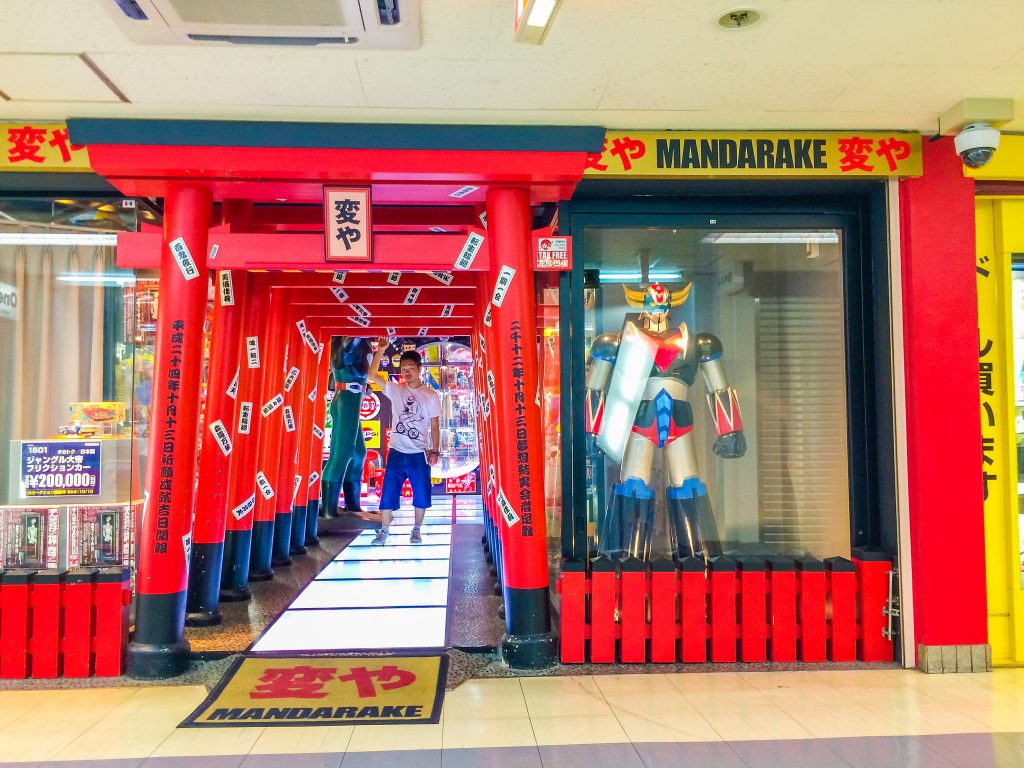
On the 4th floor, you’ll find another Mandarake store. This one sells used toys of the highest calibre. You enter the store through a series of torii gates, adding to the gravitas of the experience. Vintage tin toys that might be the last of their kind sit behind glass and stare blankly out at the customers. Many stores on the 4th floor might look closed, but that is because they are just extra storage space for Mandarake’s use.
Commit
Commit sells countless pieces of Japanese animation. Before it was all digital, animators would have painstakingly drawn out each movie frame on sheets of celluloid to create “cells.” These drawings are more of a work of art; therefore, the prices reflect that aesthetic.

Vintage Arcade
Also on the 4th floor is one of the most exciting game centres the building has to offer. Inside you’ll find the traditional UFO catchers and pachinko machines. But there are also some of the best 2D fighting games around. Passionate gamers crowd these rooms from sun up to sunset, and even watching some of these matches is as much fun as playing yourself.
Spank!
Although Nakano is best known for their toys and comics, several stores feature vintage and handmade clothing. You can find the most ostentatious designs and some diamonds in the rough. Spank! is one of those stores that you absolutely can’t miss. The designer who runs and owns this shop was the first person to coin the term “fairey-kei,” a style of dressing characterized by pastel colours, toy motifs and elements and accessories from Western toy lines of the 1980s and early 1990s, such as Polly Pocket, My Little Pony, Strawberry Shortcake and Rainbow Brite. Her beautifully made, handcrafted clothing and accessories are some of the best in Japanese alternative fashion outside Harajuku.
Wonder
Wonder is located on the 4th floor of Nakano Broadway and has the most amazing collection of vintage Japanese movie posters and other movie collectibles. Movie posters are beautifully designed in Japan and feature those incredible Kanji characters. You can find almost anything here, and it makes for an incredible souvenir for a movie buff.
Araiyakushi Baishoin
If you’re looking for a relaxing walk away from the busy city, head to this park and temple complex. If you’re lucky enough to visit during cherry blossom season, this is one of the best places to come to experience Japan’s springtime explosion of colour. The temples were first built in 1586 and were a place of prayer for anyone who wanted to heal eye-related ailments. The tea made from the cherry blossom trees around the temple was said to cure various eye-related problems. It is even sold in the gift shop for those wanting to bring some home.
Kotobuki-yu
Kotobuki-yu is a natural hot spring where you can soak your aching body after, no doubt, thousands of steps walked on your travels through Japan. Taking in one of their “medicated” baths with rotating herbs is only 460 yen for adults (less than $5 USD). These traditional Japanese baths are separated into male and female rooms, and you need to undress completely. Although this might sound intimidating, it’s very common in Japan and a great way to relax and experience a traditional Japanese hot spring without all the touristy tack.
Where to Eat
Nidaime Enji
If you’ve never tried tsukemen noodles, this is where to give it a go. Tsukemen noodles are dipping noodles made with a super thick seafood-infused broth. Unlike other ramen, which has thin noodles inside the broth, these are extra thick ones that are served in a separate bowl and then dipped into the broth. This preserves the flavour of the noodles and the broth, allowing you to decide how flavoured you’d like every bite to be. Be sure to put your bib on this meal!
Oyaki Tomitakei
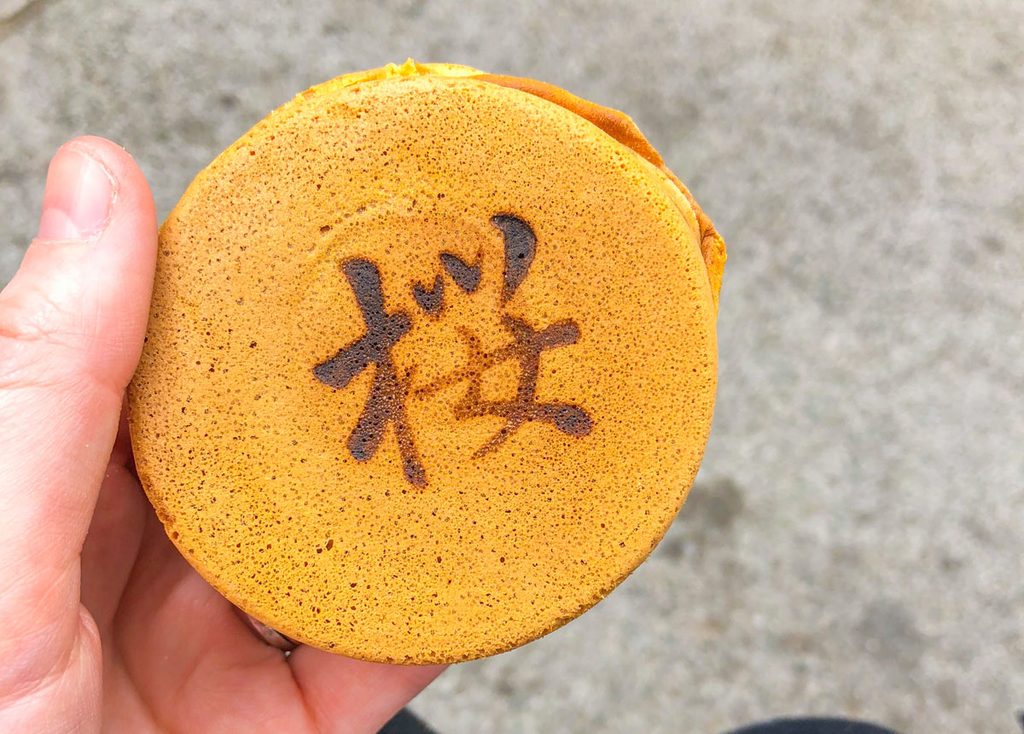
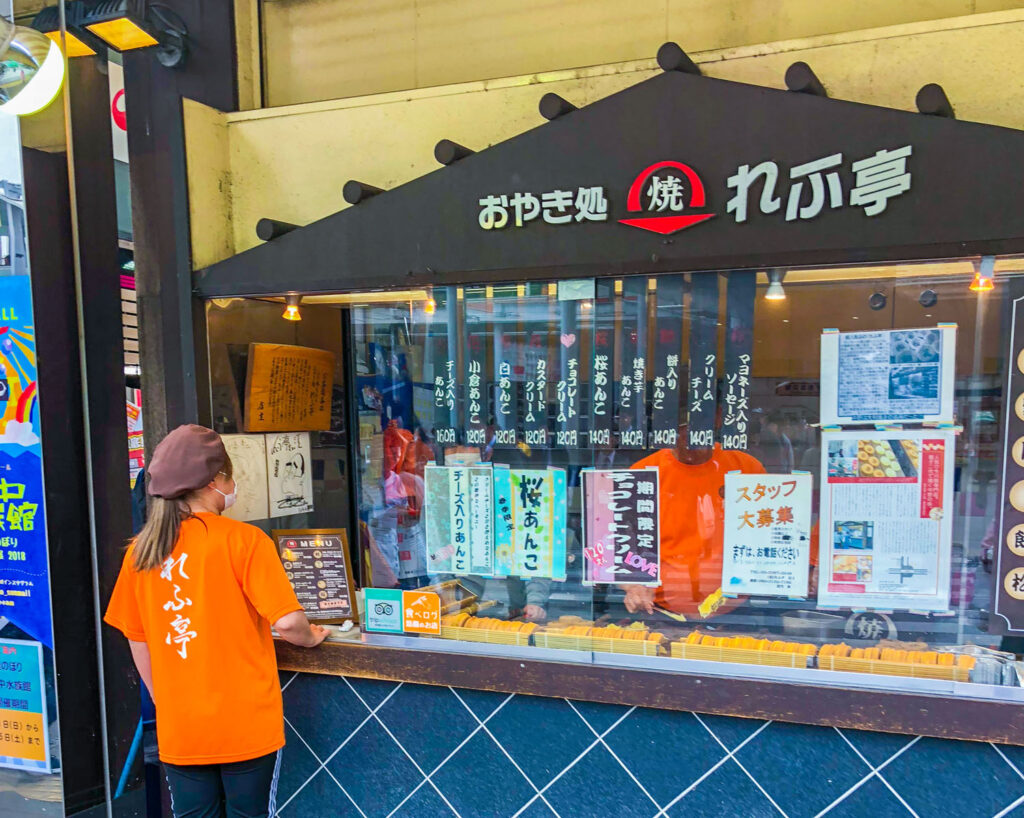
Right outside Nakano station, you’ll find a small shop selling imagawayaki. You’ll know the shop immediately as it’s usually surrounded by a long line of people waiting to get their hands on these warm treats. Imagawayaki is a round, cake-like snack with a filling of your choice. My favourite flavour is always the sakura (cherry blossom) during the springtime. They also have milk tea, Ghana chocolate, custard, red bean and sweet matcha.
Dai Kaiju Salon
Dai Kaiju is a cafe that perfectly sums up Nakano’s otaku culture obsession. This cafe is covered in the owner’s personal collection of toy monsters, plush animals, action figures and 80s dolls. Try ordering the omurice; it’s an omelette served around a bed of rice. The omelette is then topped with a fun retro-inspired image drawn in ketchup! It’s fun, it’s quirky, and it’s Nakano!
Okajoki
For dinner, try out Okajoki. This place is a traditional seafood bar that has been serving fish right from the market for over 50 years. In the center of the room is a large heart which they use to grill up the skewered fish, so the entire two-storey is filled with the sweet smell of grilled seafood.
What to do at Night
Juke 80s
If you want to grab a drink in Nakano, head to Juke 80s. This 80s-themed restaurant serves cheap drinks and a playlist of all the best hits from the 80s. Great hits for a great night of fun!
Moco Moco Karaoke
Karaoke is one of the best things to do at night in Japan! Whether you’re travelling with a large group or just as a couple, it’s immensely fun. Moco Moco Karaoke’s quirky Hawaiian decor makes it stand out against the rest of the standard karaoke places. They have all the drinks you want and a soft-serve ice cream bar for those with a sweet tooth!
Nakano rewards a day well spent. In a single day you can trace Tokyo’s history from a temple founded in 1586 to a 1960s landmark of ambitious architecture and a gallery’s worth of pop art. All of it sits one stop from Shinjuku’s neon towers, yet the pace stays quiet and low-rise. Come for the art, the history and the architecture, and don’t leave without the soft serve.


1 COMMENT
ooop
4 years agoSpank! used to be in Harajuku, so funny uh oh to say best accessories outside of Harajuku. kind of sad that it’s now a tiny shop relegated to the basement of Nakano broadway, and with the fish market etc, not even other similar retailers. But I hear the owner is mean/snobby so maybe that’s partly why. However the style also just fell out of fashion.