
Whenever someone asks me what my favourite thing I experienced in Japan was, my answer is immediately a Goshuincho. More than likely, this isn’t anything you’ve ever heard of before. Before I went to Japan for the first time, I didn’t know anything about it either. It was pure happenstance that I happened to see a Japanese tourist buy hers for the first time. The ritual was mesmerizing. Seeing the wonderful tradition which encompassed Goshuinchos, I bought my own and proceeded to learn as much as I could about them. I wanted to share with you everything I’ve learned and why you should get one for yourself if you’re visiting Japan.
What is a Goshuincho
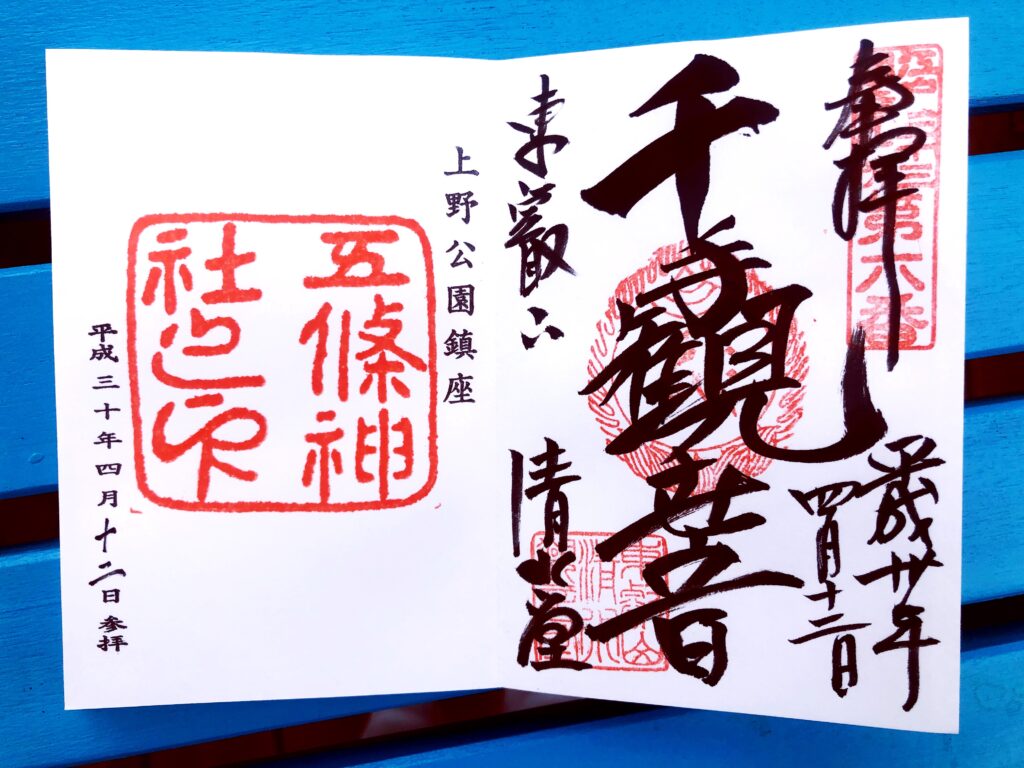
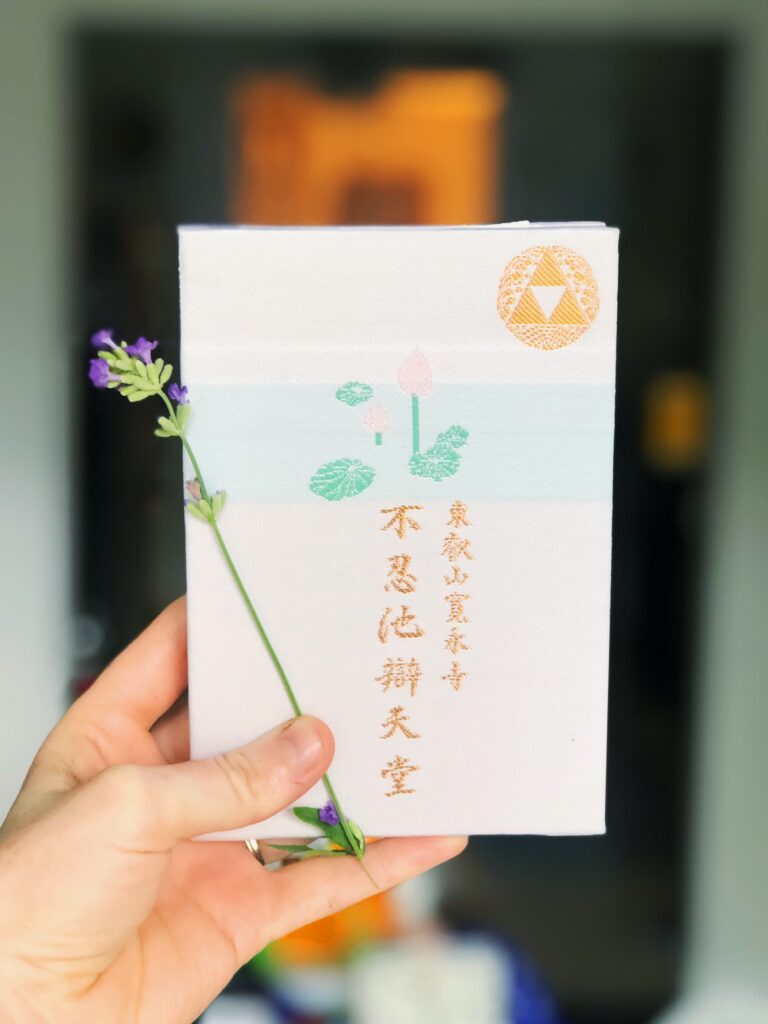
A goshuincho is, simply, a stamp book. A goshuinchō (御朱印帳) translates to, a “book of seals”. Goshuinchos are brought to shines or temples where they get it stamped. A small donation to the temple is required to get the stamp. This is a beautiful way that the temple can get donations but also provide something back to the giver.
While goshuinchos have grown in popularity among tourists and collectors, it’s important to approach them with the cultural and spiritual respect they deserve. Traditionally, a goshuin is issued by shrine maidens at Shinto shrines or monks at Buddhist temples as proof that a pilgrim has made a sincere spiritual visit. For many Japanese people, this is a deeply meaningful religious practice, not simply a transaction. As a visitor, receiving a goshuin is a privilege, and treating the experience with genuine reverence, paying your respects, observing the rituals of the space, and approaching the shrine or temple as a place of worship rather than a backdrop, honours both the tradition and the people for whom it holds sacred meaning.
History of Goshuincho
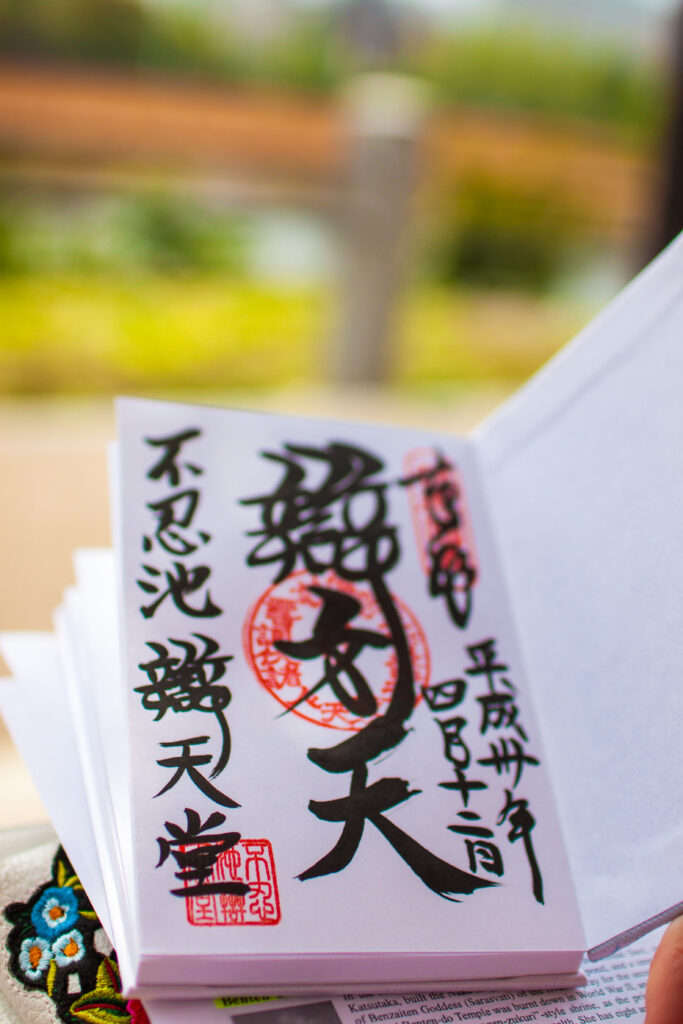
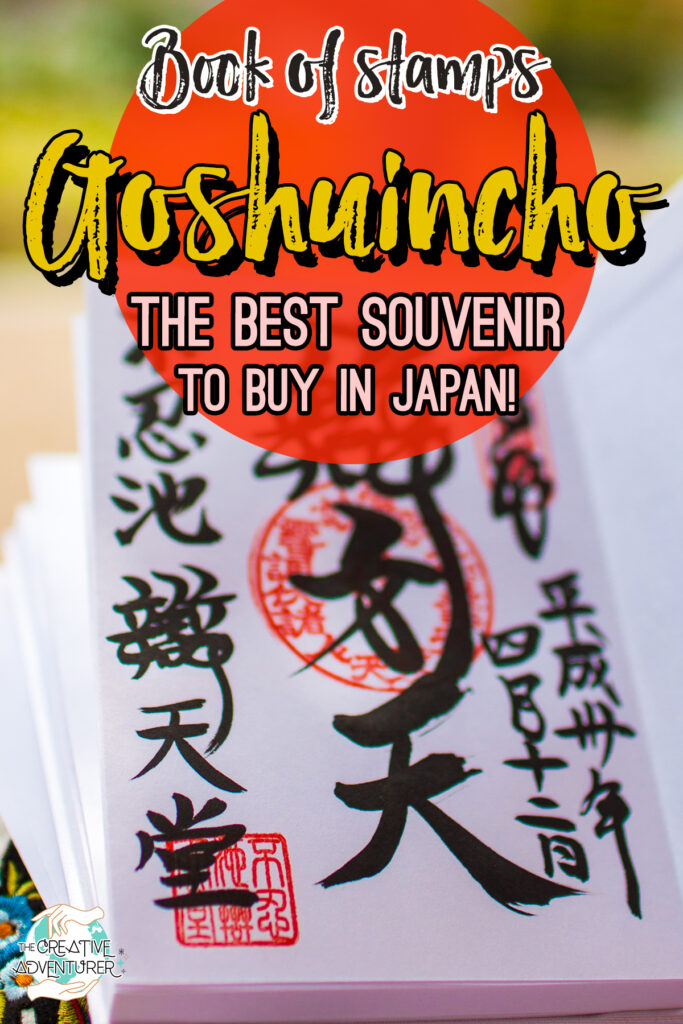
Each of these shrine stamps is wonderfully unique and imaginatively designed. The shrine stamps are pressed into the goods in stunning vermillion ink. Along with the stamp, the attendant will write in elegant calligraphy the date and sometimes other details. These stamps were once used for pilgrims to mark the places they had visited. Goshuinchos were originally only something that very religious people in Japan would use. The younger generations of Japanese society became less and less religious over time, and with this came the disappearance of Goshuinchos. But surprisingly, in the last few years, they have seen a resurgence.
Where to Find Goshuincho Books?
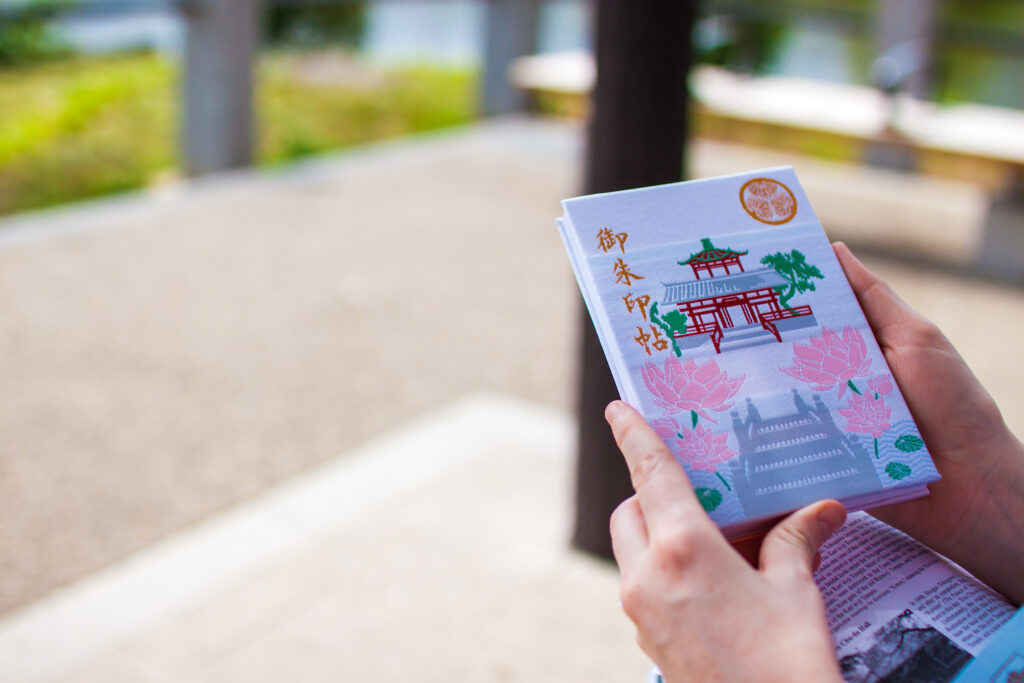
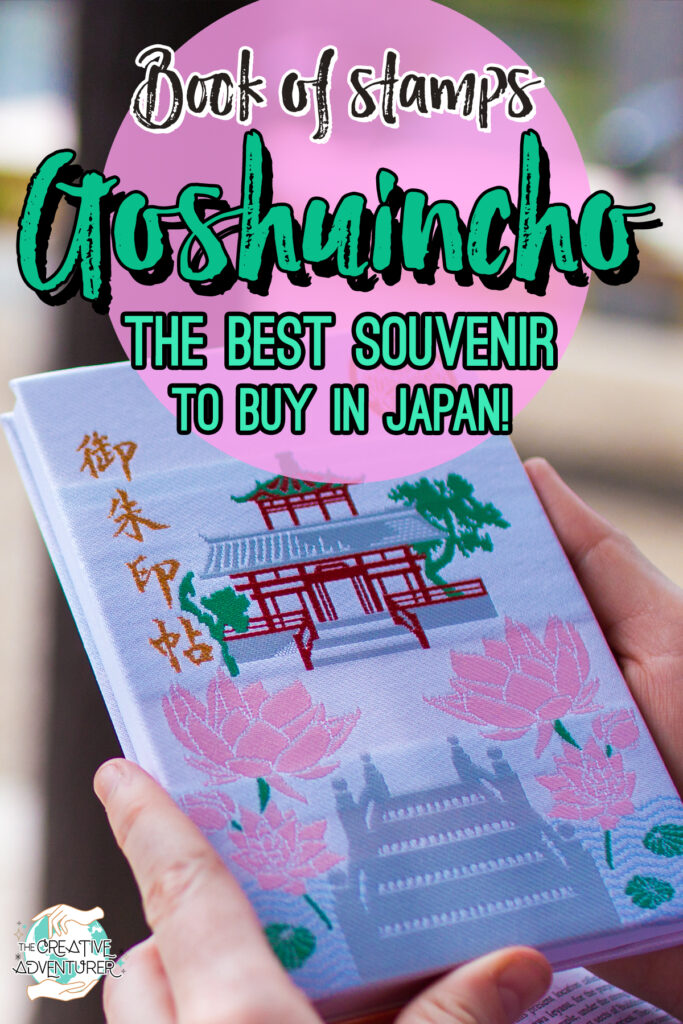
The best goshuincho books can be purchased at a Japanese temple or shrine. The more popular the temple, the more variety of designs it will have. They will cost around ¥1,500. The price depends on the amount of embroidery, so more or less will bring the price up or down. There are so many different styles, colours and designs that it’s often hard to pick. Be sure to pick up your goshuincho at the first temple you visit. This way, you’ll have your goshuincho with you everywhere you go from then on and can collect more stamps. Don’t leave it till you find the perfect one or else you’ll miss collecting so many temple stamps along the way.
Alternatively, you can also go to a stationery store in Japan, where they are often also sold now. You can also bring a blank notebook from home if you’re looking for a budget option. But I think buying the book at the temple is just another element of the ritual of the goshuincho.
First, Pay your Respects
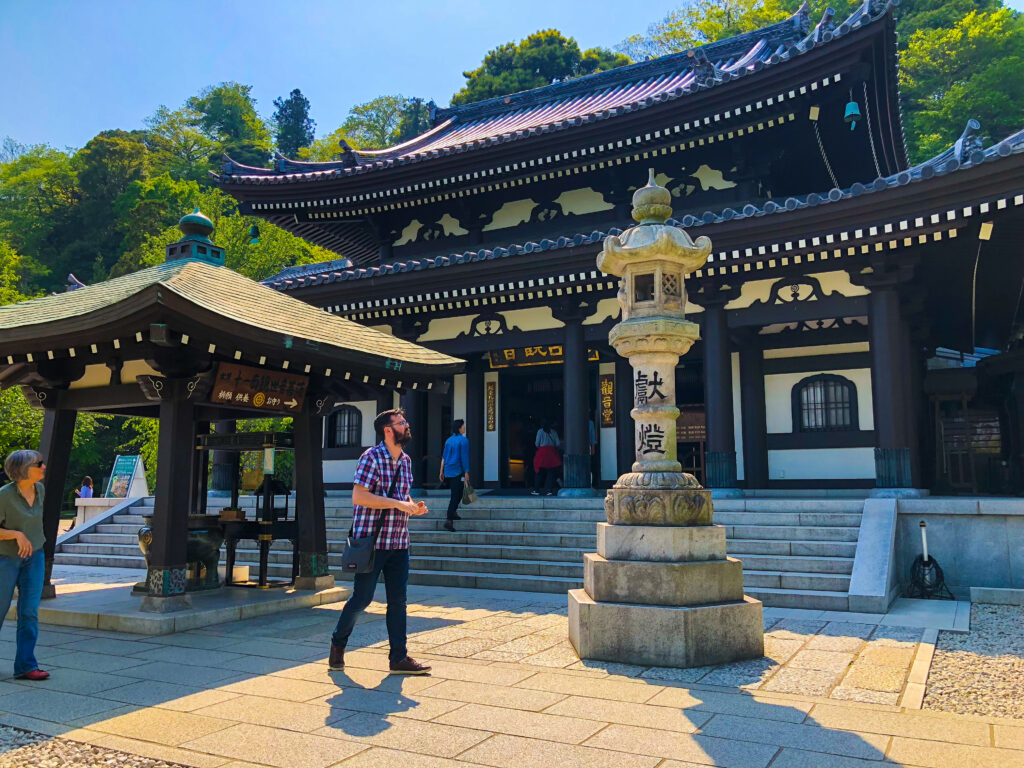
When coming to a shrine to collect your stamp, it is considered good manners to pay your respects. Even if you’re not religious, it’s a great way of connecting to the temple and the Japanese culture. To pay your respects, enter the temple or shrine and find the bell. Ring the bell (if there is one) 2 or 3 times to signal to the gods that you have arrived. Deeply bow twice. Clap twice, with your left hand slightly in front. Remember to thank the gods as well.
How to Buy your Goshuincho Stamp
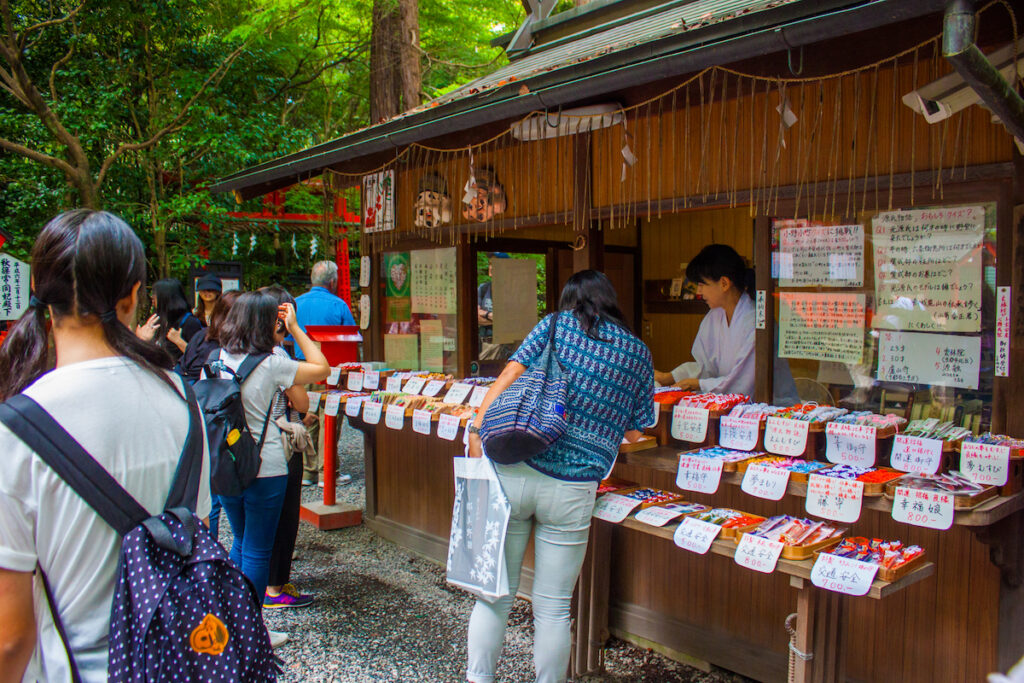
Head over to the reception desk of the temple or shrine. This will usually be behind the area where they sell various amulets or ema placards. The fee for the stamp is around ¥300 to ¥500 depending on the importance of the shrine. Try to use exact change, as the smaller shrines won’t accept larger bills. If it’s not a busy day usually you can watch the priest creating your stamp. If it is a particularly busy day, you’ll be given a small number token and you can return later to collect your book.
After the stamp is placed in your book, the ink will usually still be wet. The priest will either find two blanks pages or will place a thin piece of paper over the top. This way the stamp won’t bleed onto any other stamps in the book.
TIPS
- Don’t write or draw in your book. Goshuinchos are meant only for priests or monks to place their stamps.
- If you’ve forgotten your book, ask the attendant as they usually can stamp a blank page for you. This way you can later paste this piece into your book.
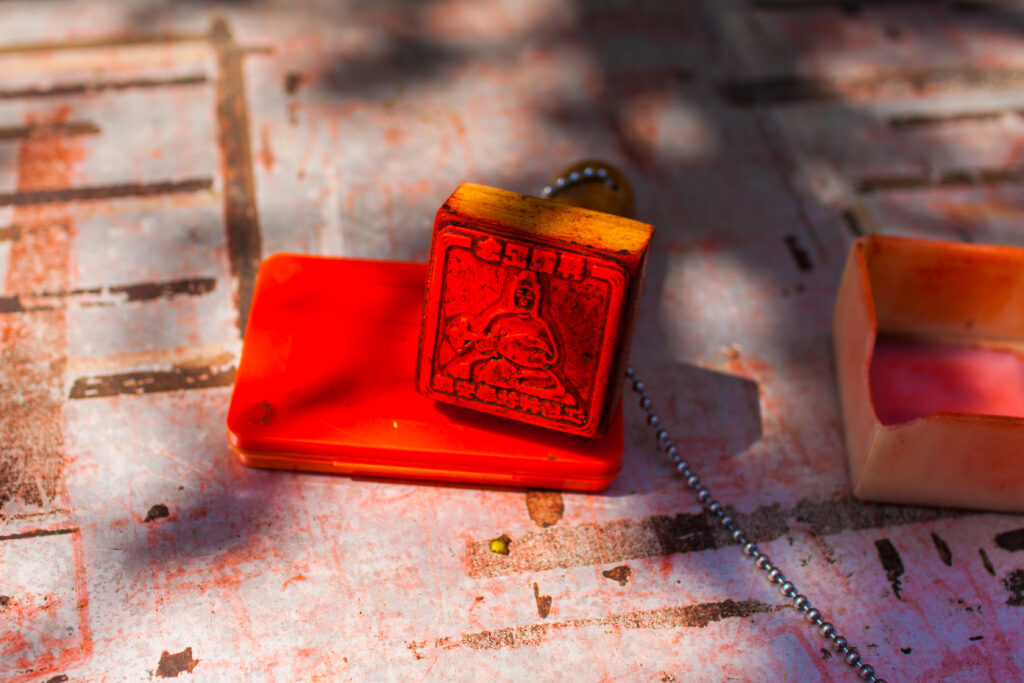
These days, Japan has taken a modern approach to Goshuincho stamps. When visiting various secular tourist sites, you’ll sometimes see smaller red stamps which you can stamp into your notebooks. These are representative of the location and are meant for kids or just for fun. These are free and are a great way to commemorate your visit. But be sure not the mix the two up, and don’t put just any stamp in your Goshuincho.
Making Memories
One of my favourite memories of my latest trip to Japan involved hiking up to the Hakone shrine. It was so early in the morning and I took the hike in the pouring wind and rain. I had had it in my mind that I just had to visit the shrine and get my Goshuincho. Despite the bad weather I knew it would be my only chance to see it. So I braved the weather, and ended up being one of the only people there. I feel like the priest who made my Goshuincho gave me an extra big smile since he could tell I had been through hell and back to get there. Now every time I look at that stamp I remember all that effort it took to get there, and I smile.
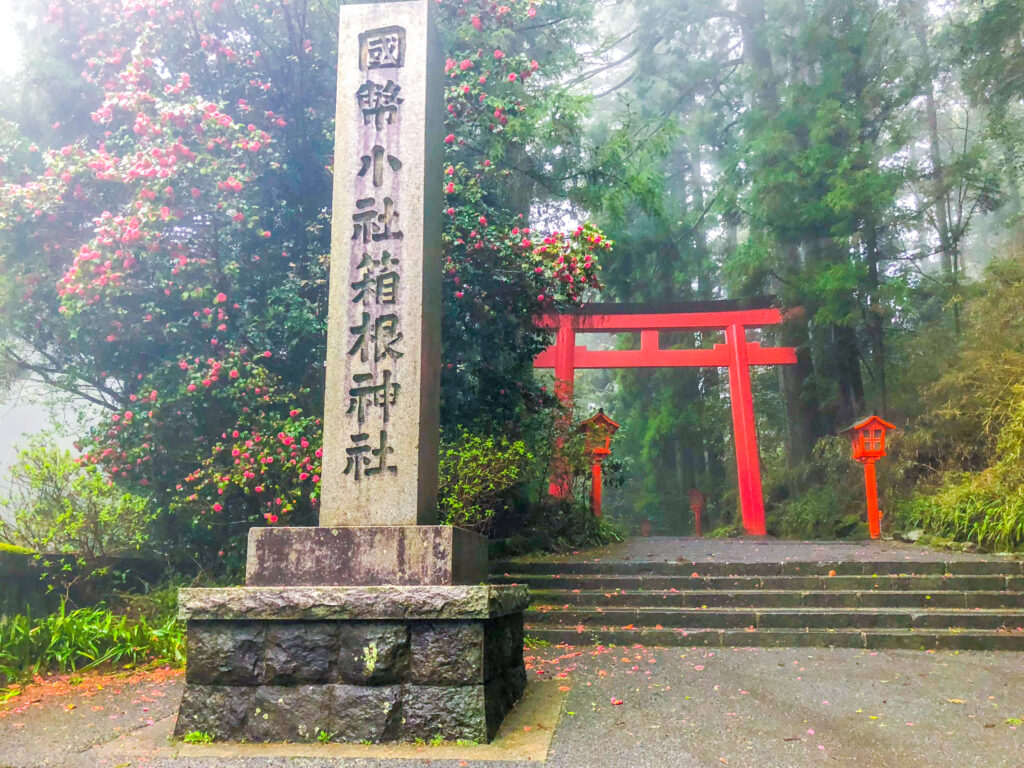
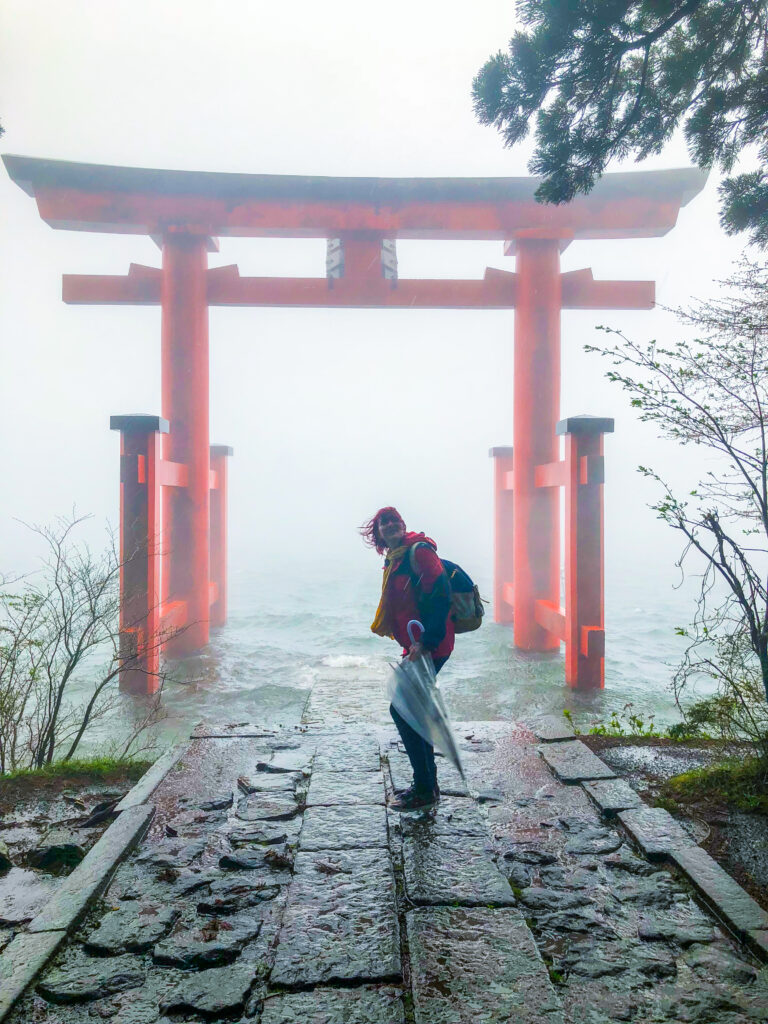
I love looking back at all the different stamps in my book. I truly recommend getting one for yourself. I am waiting for the day when mine is full and I get to pick a new one for more adventures!
Let me know in the comments what your favourite cultural memento you’ve ever purchased was?
Happy Travels Adventurers!


2 COMMENTS
ST
4 months agoHi,
This is an old post, so maybe you don’t monitor the comments, but this just came across my Pinterest feed. I returned from Japan recently and I think it worth noting that the title of this article minimizes the cultural significance of Goshuin. It isn’t simply a “souvenir to buy.” It is issued by shrine maidens (Shinto Shrines) or monks (Buddhist Temples) as proof an individual made the spiritual pilgrimage. Alot of tourists I saw treating places of reverence as gift shops and photo backdrops for crop top athleisure was disheartening. To put it in Western terms: I would think most Christ based faiths would be miffed if communion wine / bread were referred to as “souvenirs to buy.” I would hope you would reconsider renaming the title of this article.
The Creative Adventurer
4 months ago AUTHORHi ST,
I really appreciate your thoughtful comment and I think you do make a very good point, I have gone ahead and amended the post to reflect a more sensitive approach to this cultural tradition.