
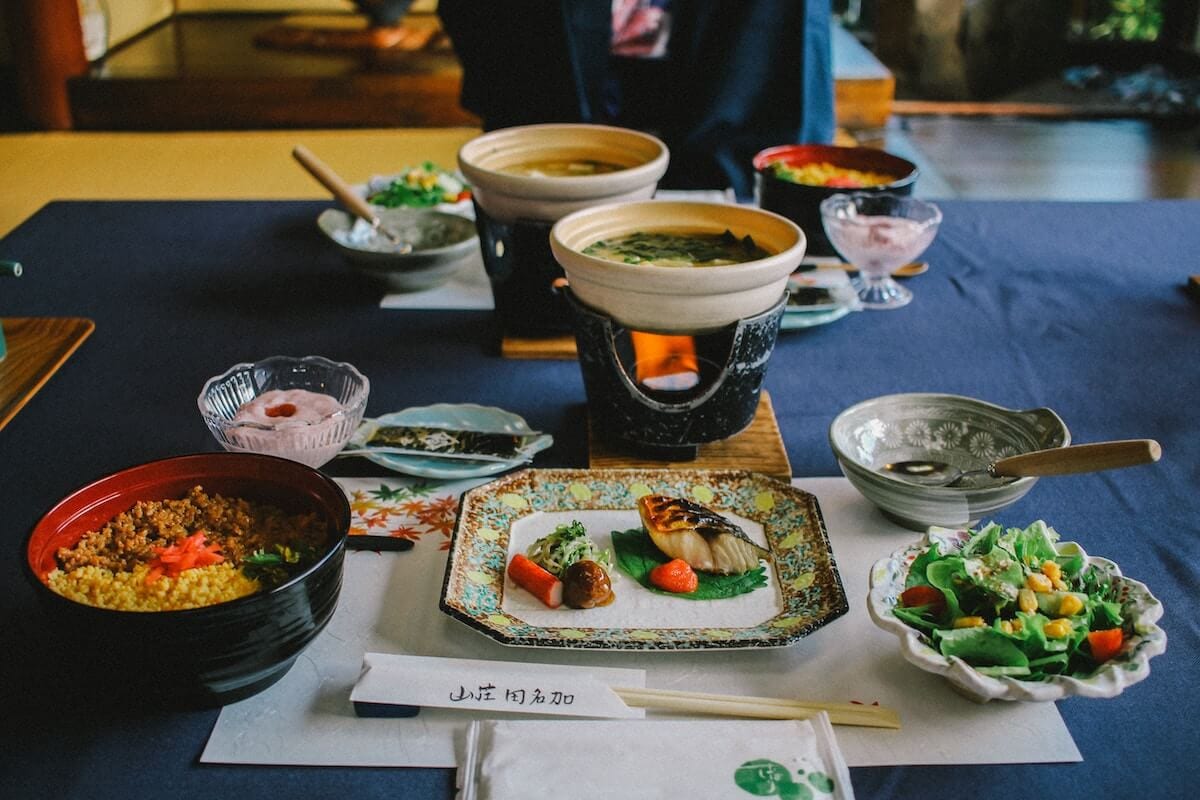
Visiting Tokyo in the wintertime is one of Japan’s best-kept secrets. Many travellers avoid the season because of the cold, but if you layer on the coats and scarves, you’ll be treated to a Japan that is sometimes seen only by locals and the few tourists who make the effort to brave the elements. W
inters in Tokyo are made for soaking in hot springs, visiting Mount Fuji on a clear day (the cold, dry air makes December to February the best time to catch it) and, best of all, eating delicious winter food! Dining in Tokyo can cost as little as under $20 or well over $100. I’ve been sure to include a range of price points in this list (shown as approximate cost per person), so whether you’re looking for a cheap lunch or a luxurious dinner, there is something for everyone. Here are nine restaurants worth braving the cold for.

Kawakamian, Omontesando | $15
Autumn is shin-soba season, when freshly harvested buckwheat is milled and its aroma is at its peak, and that love of freshness carries through the colder months at a restaurant like this one. Soba is still delicious throughout the year, but if you’ve never tried truly fresh soba noodles, this restaurant may change your life! Kawakamian began in Karuizawa and mills its own buckwheat in-house on a custom stone mill, and the signature dish is soba served with a rich walnut dipping sauce. Lunch typically runs ¥2,000–¥2,999, making it one of the more affordable yet most delicious meals you can have in Tokyo.
Uoshin, Shibuya | $25
This relaxed seafood izakaya is built around seasonal fish and vegetables. Because of the variety of fish on offer and its reputation for generous portions, it’s a popular spot, so be prepared for a possible wait – but don’t let that deter you. Their menu changes frequently and is scribbled out on a sheet of paper that lists the day’s offerings, depending on what is available. Crab is one of their specialties, so if it’s on offer when you visit, be sure to try it.
Otakoh, Shinbashi | $25
Oden is a type of Japanese stew made by simmering various ingredients together. It is the perfect antidote for a cold or if you can’t shake the chill of the winter air. Although you can get oden at convenience stores around Japan, this restaurant takes it to another level! Founded in 1932, Otako serves Kantō-style oden, with more than 25 different fillings stewed in a rich, dark broth, in a recipe the restaurant says has been handed down since its founding. It sits in Shinbashi, the salaryman’s district, where Shōwa-era buildings grew out of the postwar black markets around the station, and that old-Tokyo atmosphere makes it one of the most memorable places you’ll have oden anywhere in Japan.
Genkai Shokudo, Shinjuku | $40
Nabe is a variety of Japanese hot pot, and it is especially popular in the winter months. Genkai Shokudo is the casual sibling of Mizutaki Genkai, a Shinjuku institution whose history goes back to 1928. Its speciality is mizutaki, a chicken hot pot that originated in Fukuoka and is simmered for seven to eight hours into a rich, white broth. The collagen from the chicken is reportedly good for the skin, which is welcome in the dry winter air. The Genkai family of restaurants has been serving chicken for nearly a century, and some of its recipes have barely changed in that time. Paired with a bowl of chicken-and-egg rice, this meal will surprise and delight you!
Shangrila’s Sercret, Roppongi | 50$
Mushrooms are to the cooler months in Japan what candy canes are to North Americans at Christmas. Full of umami, they’re the star at Shangri-La’s Secret, which serves mushroom shabu-shabu in individual pots of a secret black broth, made by simmering mushrooms from Yunnan, China, for a long time. When it all comes together in the hot pot, that flavour seeps into every nook and cranny of whatever is dipped into it! Shangri-La’s Secret is a classy restaurant just a minute’s walk from Roppongi Station, and the perfect place to spend a winter’s evening chatting with friends over delicious food.
Tenmatsu, Tokyo Station | $45
Vegetables might not seem like the most exciting dish to go out of your way for, but vegetables in Japan are something altogether extraordinary, and not like any old grocery-store vegetable you might cook at home. Tenmatsu is a tempura restaurant that opened in Shibuya’s Dogenzaka district in 1936. Its Nihonbashi branch, right outside Mitsukoshimae Station, serves seasonal tempura fried right in front of you at the counter, in a crisp, textured batter. Visiting throughout the year will bring all sorts of different taste experiences, so there is always something new to try.
Shichi Jyu Ni Kou, Tokyo Station | $80
Kaiseki is a traditional multi-course Japanese meal. These fantastically organized little plates of heaven are made with the best seasonal ingredients, and the combinations of flavours are meant to evoke the essence of the seasons. Each tiny dish is like a bouquet of flowers: layered, colourful and full of texture. The restaurant’s name refers to Japan’s ancient calendar of 72 micro-seasons, each lasting about five days. It sits in the basement of the Tokyo Station Hotel, a nationally treasured building designed by architect Kingo Tatsuno in 1915, and that historic setting is beautifully juxtaposed with the contemporary twist the kitchen puts on traditional kaiseki.
Ebihara, Kagurasaka | $100
Washoku Ebihara creates its dishes like a ballet. The flavours dance over your tongue like a group of performers working together to create a beautiful piece of art. Tucked into a quiet back alley of Kagurazaka and recognized in the Michelin Guide, this is a restaurant run with an “enjoy the season” spirit by an owner-chef and his wife. The kaiseki courses are set menus that use seasonal ingredients cooked to perfection. You’ll receive wave after wave of tiny little dishes, each one bringing a new taste sensation.
Sushi Bando, Shinjuku | $160
Sushi Bando serves up more than just a meal. It delivers an experience. Tucked away near Shinjuku Gyoen, it is an offshoot of the well-known Takumi Tatsuhiro, with a simple, plain-wood counter of eight seats. “Bando” is sushi-trade slang for the number eight, chosen by the owner for its associations with prosperity and good fortune. The chefs work in the traditional Edomae style, using time-honoured techniques to bring subtle flavours to the fish, and the omakase course is the highlight, especially at dinner. This is one of those bucket-list restaurants, and although it doesn’t come cheap, it’s a great treat for a celebration or a last meal to commemorate your trip.
Winter may keep some travellers away from Tokyo, but those who layer up are rewarded with a quieter, cosier city and some of the best food of the year. From a bowl of walnut-dipped soba to oden in a deep, dark broth, a hot pot of mushrooms and a kaiseki dinner in a hotel from 1915, these nine restaurants show why Tokyo is worth braving in the cold, whatever your budget. So bundle up, follow your appetite and let the steam do the rest.


1 COMMENT
yukalicante@gmail.com
8 years agoAwww would love to try! Now I have to travel to Japan xD