

If you’re in Barcelona for more than a few days, it’s worth spending at least one of them outside the city to see another side of Catalonia. And to get out of the hustle and bustle of the busy city. Within roughly an hour and a half by train or bus, you can reach a Benedictine monastery on a mountainside, Salvador Dalí’s museum in his hometown, a medieval city, a walled fishing town on the Costa Brava, a seaside resort and a Roman city beside the Mediterranean. Barcelona’s extensive rail network makes most of them easy to reach, and they make good escapes from the crowds of the city. But with so many options, it can be hard to decide which one to fit into a busy schedule.
I spent the summer in Barcelona and used my weekends for these day trips, and I’ve narrowed the list down to my favourites. Each suits a different kind of traveller, so choose the one that best matches your interests.


Montserrat: Where Nature Meets Spirituality
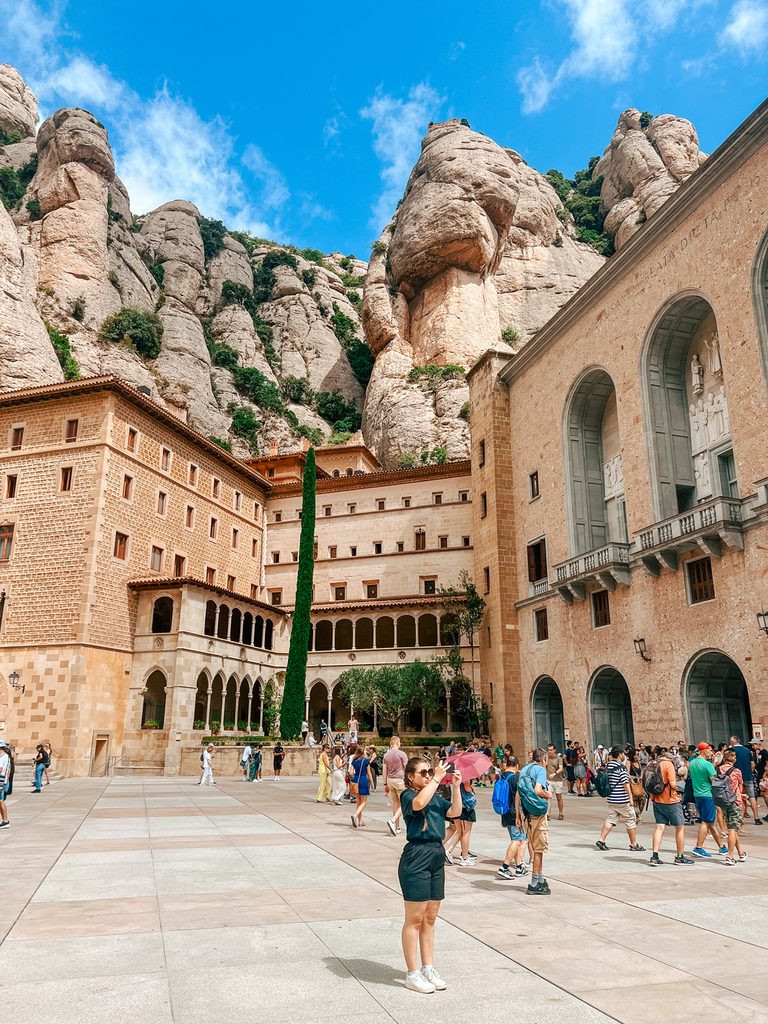
About an hour from Barcelona’s Plaça d’Espanya on the R5 train, Montserrat is a mountain range famous for its unique rock formations and dramatic peaks. High on its slopes sits the Benedictine monastery of Santa Maria de Montserrat, founded in the 11th century. From the base, you can ride the yellow Aeri de Montserrat cable car (get off at Montserrat-Aeri), which has swung across the valley since 1930 and is the quickest way up at about five minutes. Or you can take the Cremallera rack railway from the next stop, Monistrol de Montserrat. The cable car closes for maintenance for a few weeks each winter, so check before you go.
What to Do
Arrive early, because there’s plenty to fit in. Hike the half-hour trail to the Cross of Sant Miquel for a panorama over the monastery and countryside. Then step into the basilica to see the Black Madonna, “La Moreneta,” a wooden Romanesque carving from the late 12th century that pilgrims line up to touch. If you can, catch the Escolania, one of Europe’s oldest boys’ choirs, which usually sings at 1 p.m. on weekdays (not Saturdays, and not during the summer break until about August 20).
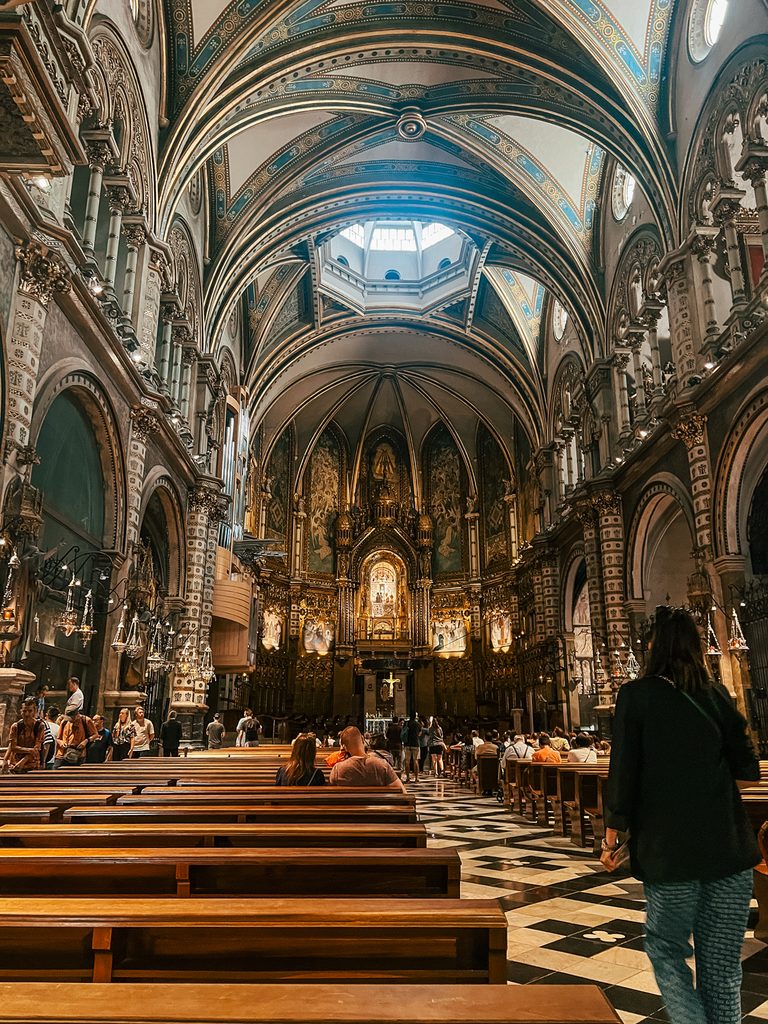


The small Museum of Montserrat is a surprise, with works by El Greco, Caravaggio, Picasso, Dalí and Monet. Before heading down, pick up local cheese, honey and fresh mató from the farmers who sell at the monastery daily.


Figueres: Dalí’s Theatre-Museum
Figueres is a charming town in northeastern Catalonia with a well-preserved historic centre, but most visitors come for one thing: the Dalí Theatre-Museum. High-speed Renfe trains from Barcelona-Sants reach Figueres-Vilafant station in just under an hour. The station sits on the edge of town, so allow a 20- to 25-minute walk into the centre or take a short taxi ride.

What to Do
Dalí, who was born in Figueres in 1904, built the museum inside the ruins of the town’s old theatre, which a fire destroyed at the end of the Spanish Civil War. It opened in 1974 and carries you through his imagination, with Dalí having designed even the smallest details himself. Don’t miss the Mae West Room, where a living room set forms the actress’s face when viewed from a platform, or Galatea of the Spheres, a portrait of his wife Gala made entirely of fragmented spheres. Beneath the glass geodesic dome lies the crypt where Dalí is buried. Tickets can sell out in high season, so book ahead. Afterwards, take a self-guided stroll through the old town’s streets, cafés and shops.


Girona: The Medieval Marvel
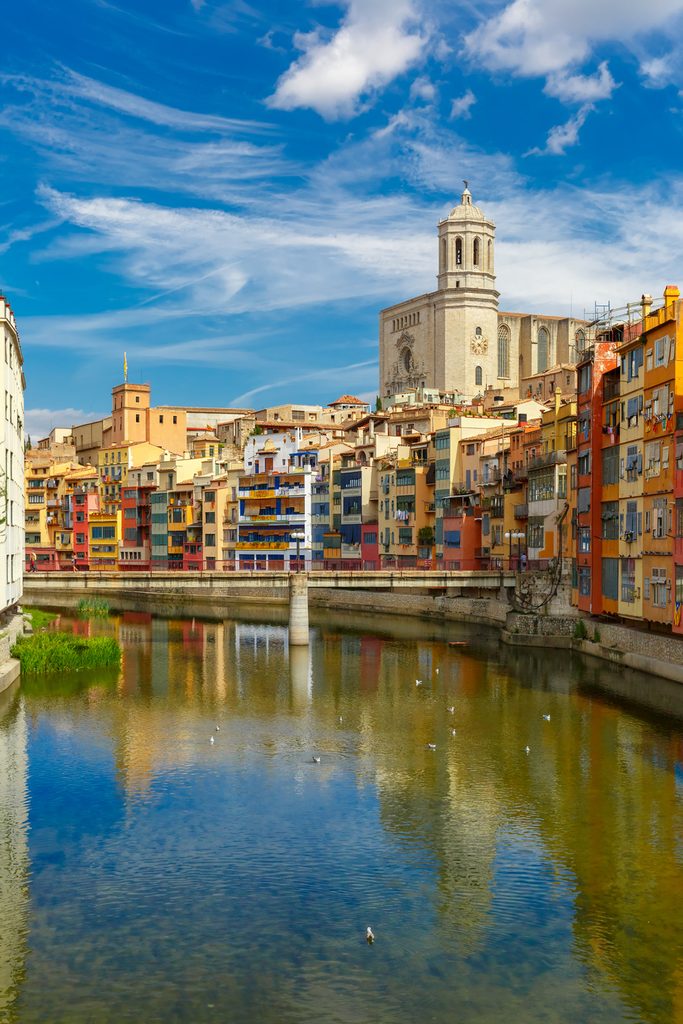
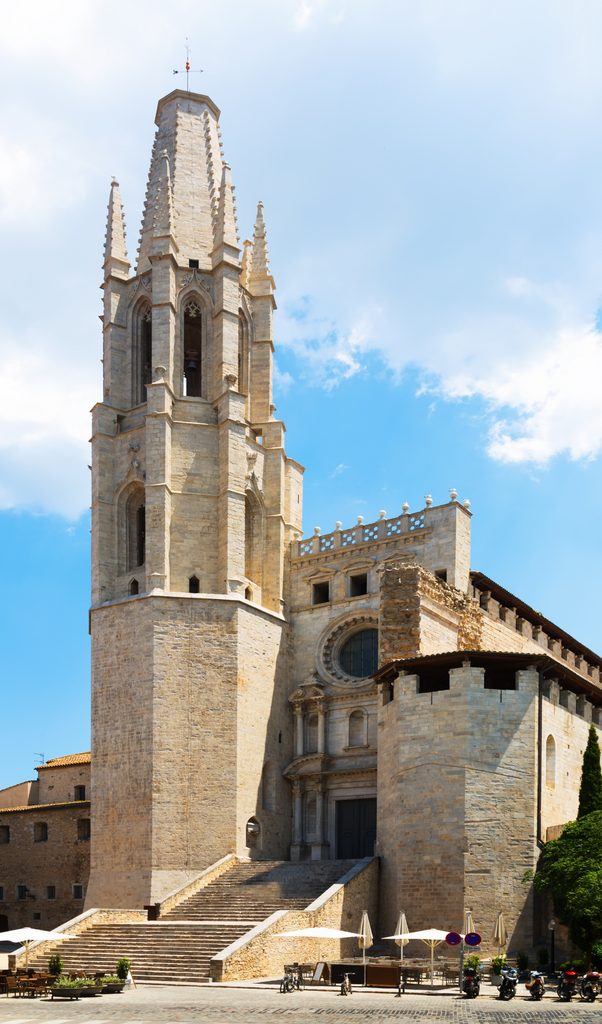
Girona is a picturesque medieval city with winding cobblestone streets, ancient stone buildings and a history shaped by the Romans, the Franks and a Jewish community that lived here until 1492. A high-speed train from Barcelona takes as little as 40 minutes, or about an hour and twenty on a regional train. Girona also gained fame on screen, when its old town stood in for Braavos in Game of Thrones and the cathedral staircase doubled as the Great Sept of Baelor.
What to Do
Wander the Old Town (Barri Vell), including El Call, one of Europe’s best-preserved Jewish quarters, and the Museum of Jewish History in a former medieval synagogue. The Gothic cathedral (Catedral de Santa Maria) is the city’s icon, with its Baroque staircase of about 90 steps and the widest Gothic nave in the world. For the best views, walk the Passeig de la Muralla along the medieval walls, which overlook the cathedral, the pastel houses along the river and, on clear days, the distant Pyrenees. The walk is free.
Tossa de Mar: The Rugged Coastline
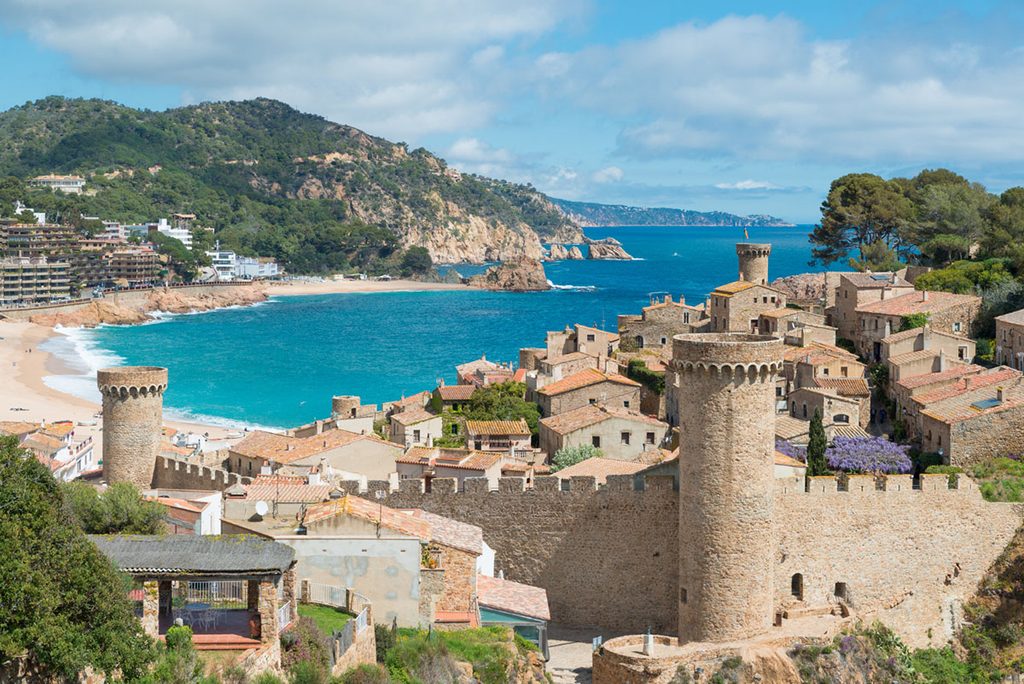
For dramatic coastal scenery, the Costa Brava is a day-trip paradise, with rugged cliffs, hidden coves and crystal-clear water. Tossa de Mar is one of its best towns, known for its Mediterranean beauty and historical charm. Tossa has no train station, so take the Line 2 bus from Barcelona’s Estació del Nord, which takes about an hour and twenty. From the bus station, Avinguda del Pelegrí leads down to the beach in about ten minutes.
What to Do
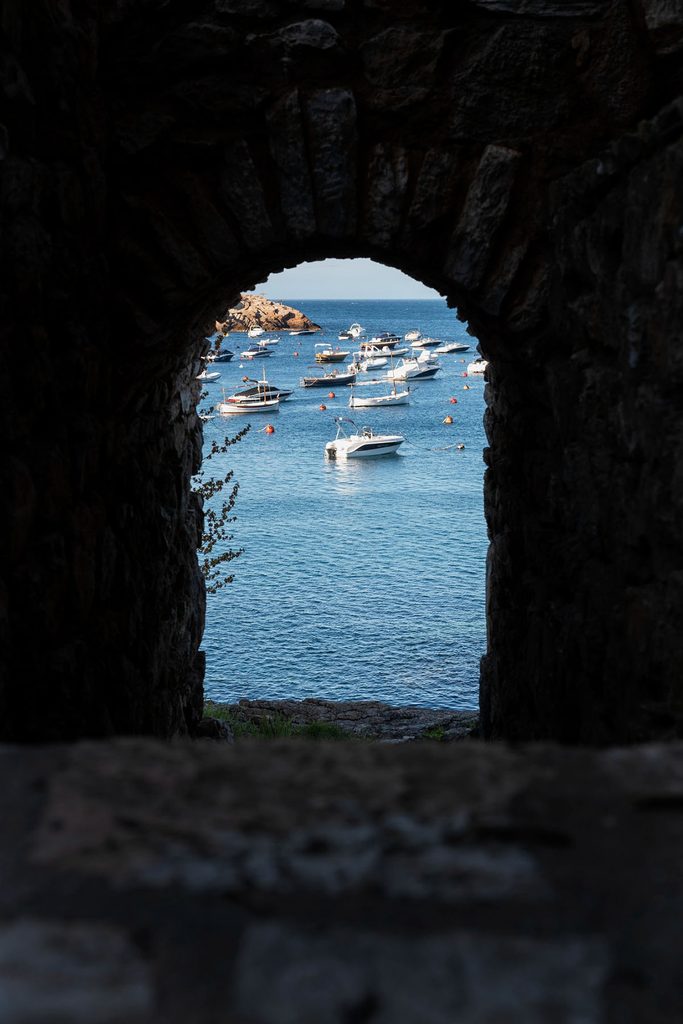
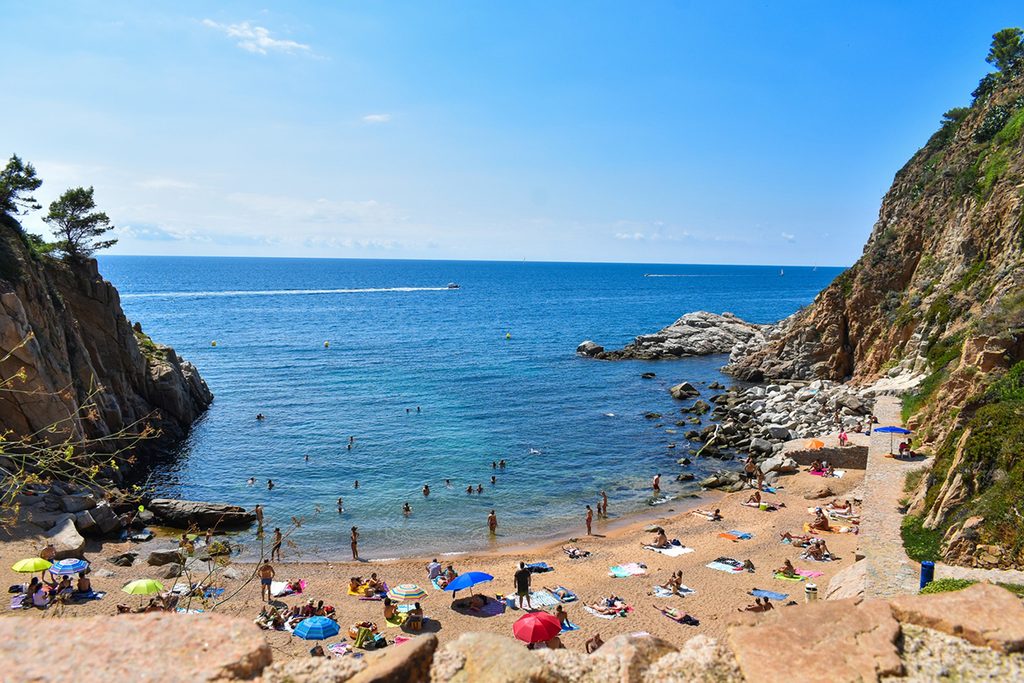
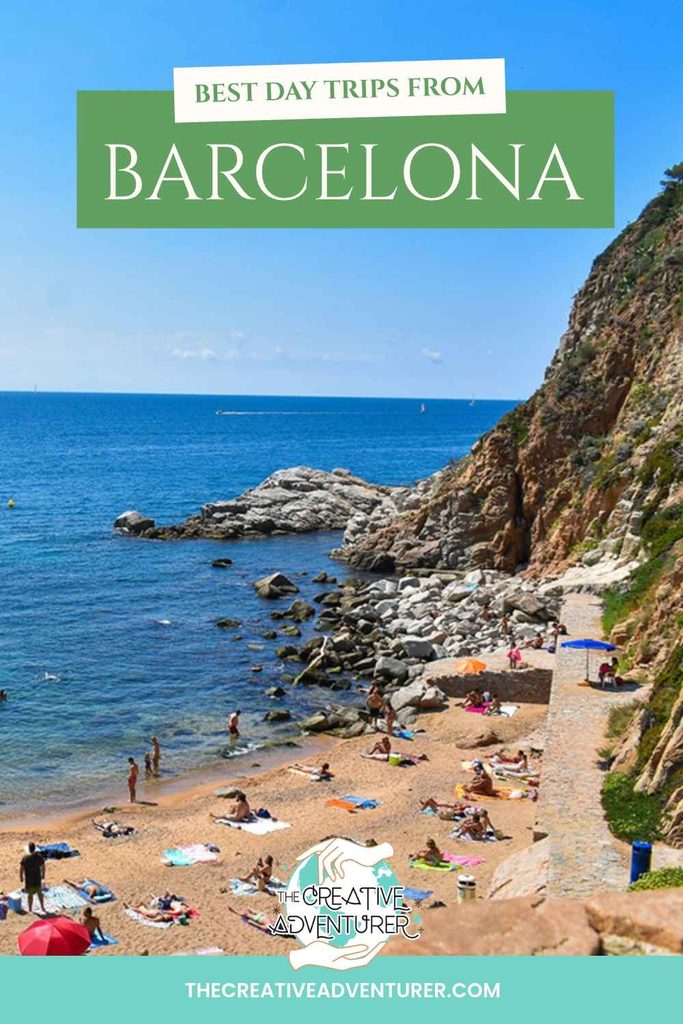
Start with the Vila Vella, the only fortified medieval town still standing on the Catalan coast, with watchtowers and battlements dating to the 12th century. Then head to the beaches: Platja Gran is a wide crescent of golden sand, and Platja d’es Codolar is a small cove tucked beneath the walls. For views, hike the Camí de Ronda coastal path, whose northern stretch leads to coves like Cala Bona and Cala Pola. Finish with a stroll along the Passeig de Mar and a seafood lunch. Try the local specialty, cim i tomba, a fisherman’s stew of fish, potatoes and garlic mayonnaise.
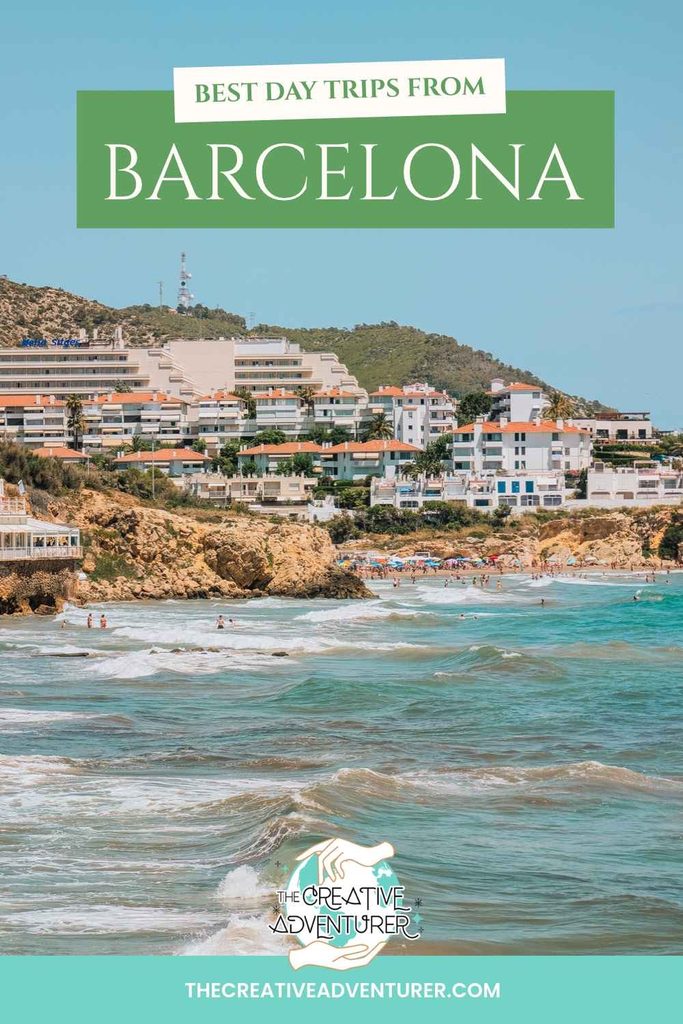
Sitges: A Coastal Haven
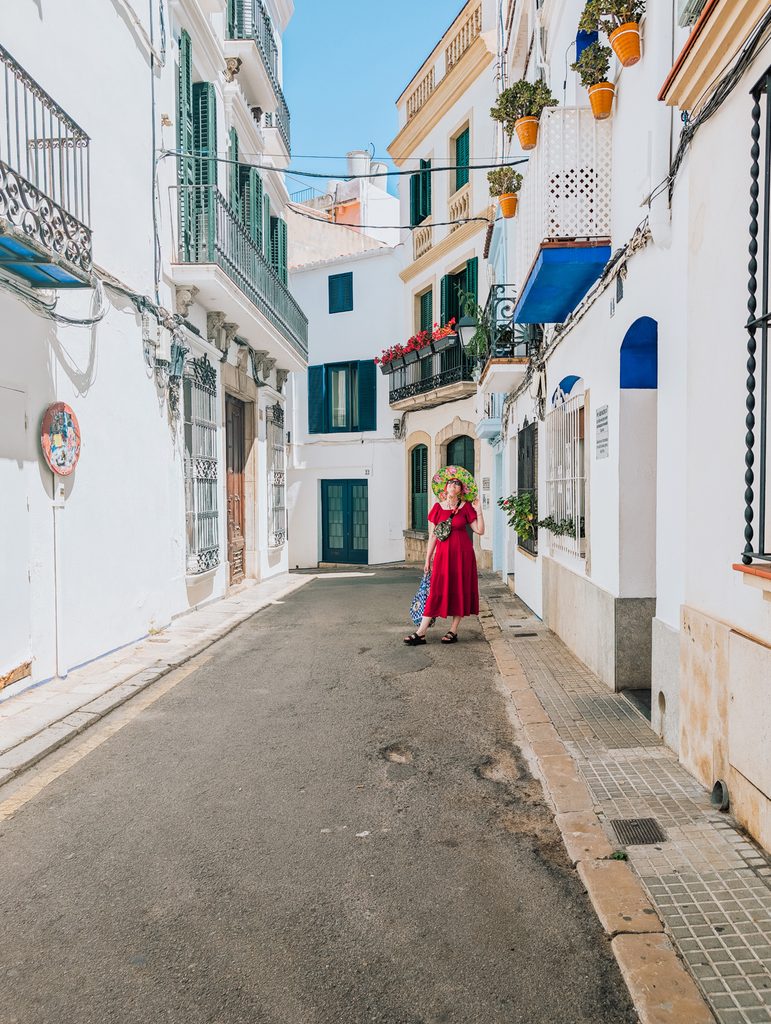
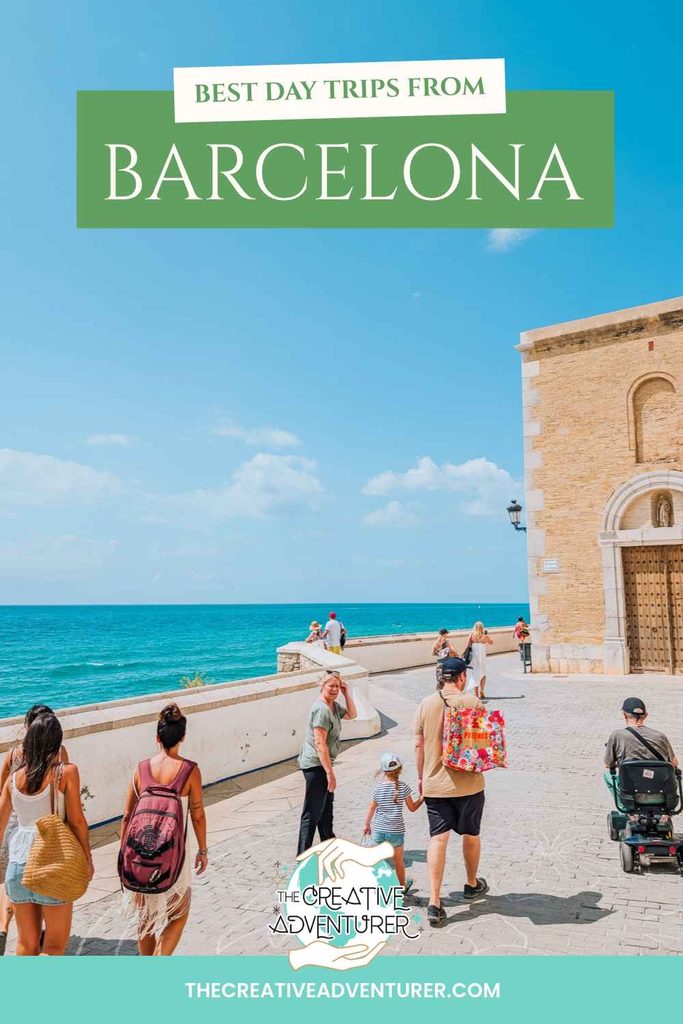
Sitges was a fishing village for most of its history, and what changed that was a painter’s taste for light. In the early 1890s the Catalan artist Santiago Rusiñol, taken with the town’s position between the Mediterranean and the dry hills of the Garraf Massif, bought two old fishermen’s cottages on the seafront and joined them into a home, studio and showroom for his collection of wrought iron.

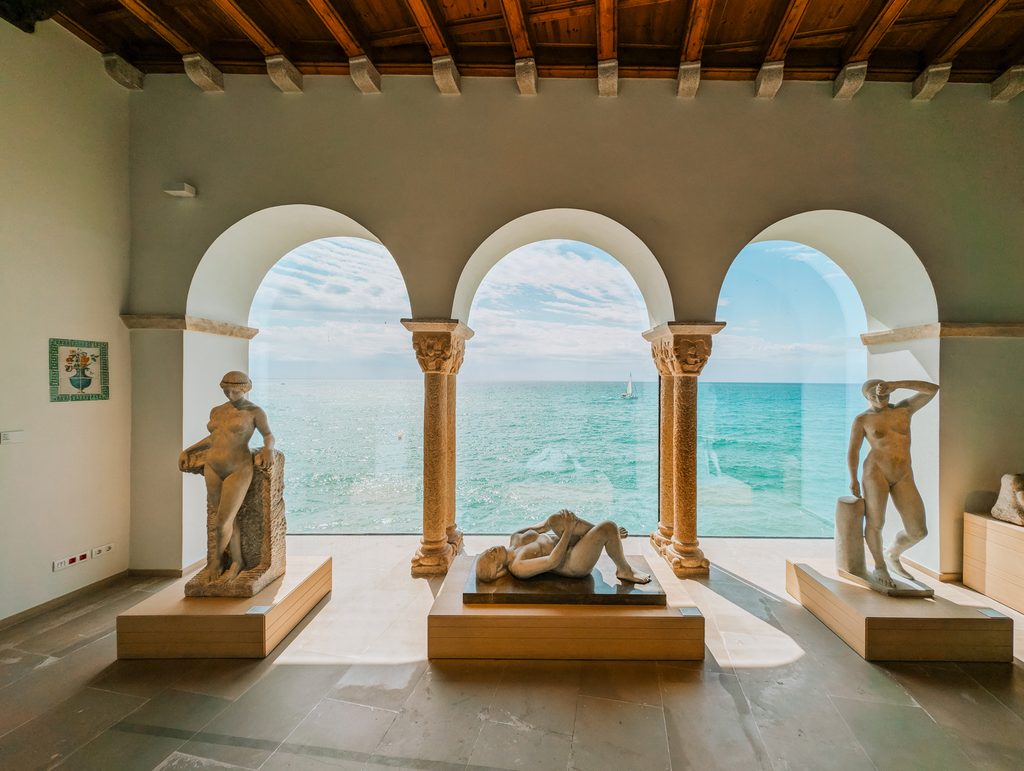
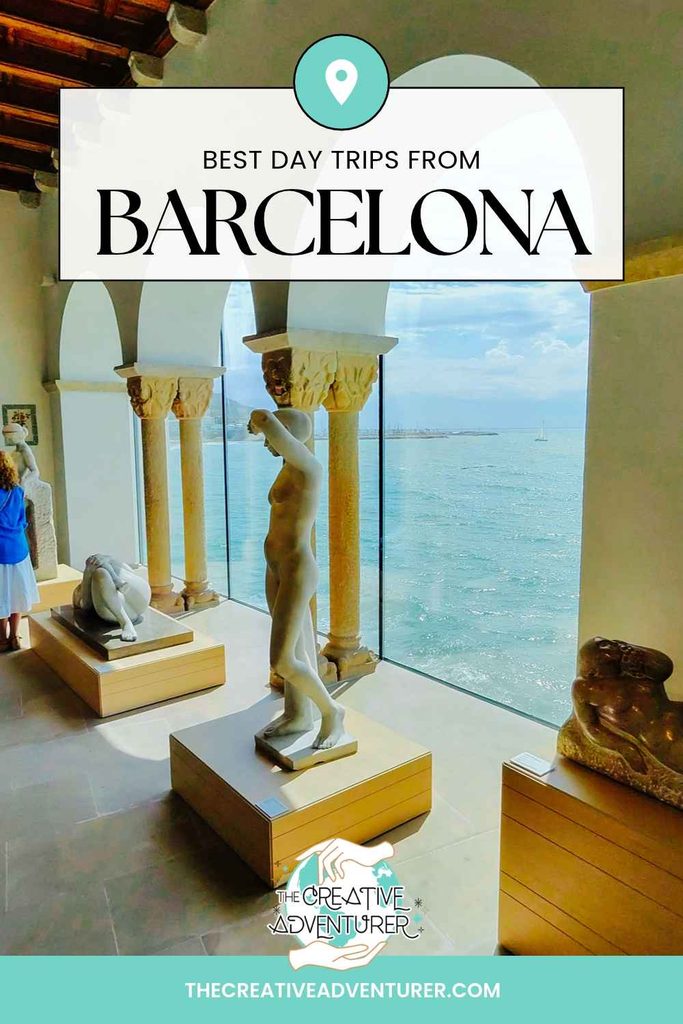
From 1892 to 1899 he staged the Festes Modernistes here, a run of festivals that drew painters, writers and composers down the coast from Barcelona. The American industrialist Charles Deering followed with the Palau de Maricel, built beside Rusiñol’s house between 1913 and 1918 to hold his own collection. Rusiñol left the Cau Ferrat to the town when he died in 1931, and it opened as a museum in 1933. The beaches, whitewashed streets and late nights that Sitges is known for today grew up around that reputation.
From Barcelona-Sants, an R2 Sud train takes 35 to 45 minutes. Check that the board says “Sud,” since R2 Nord trains leave from the same station and head the other way.
What to Do
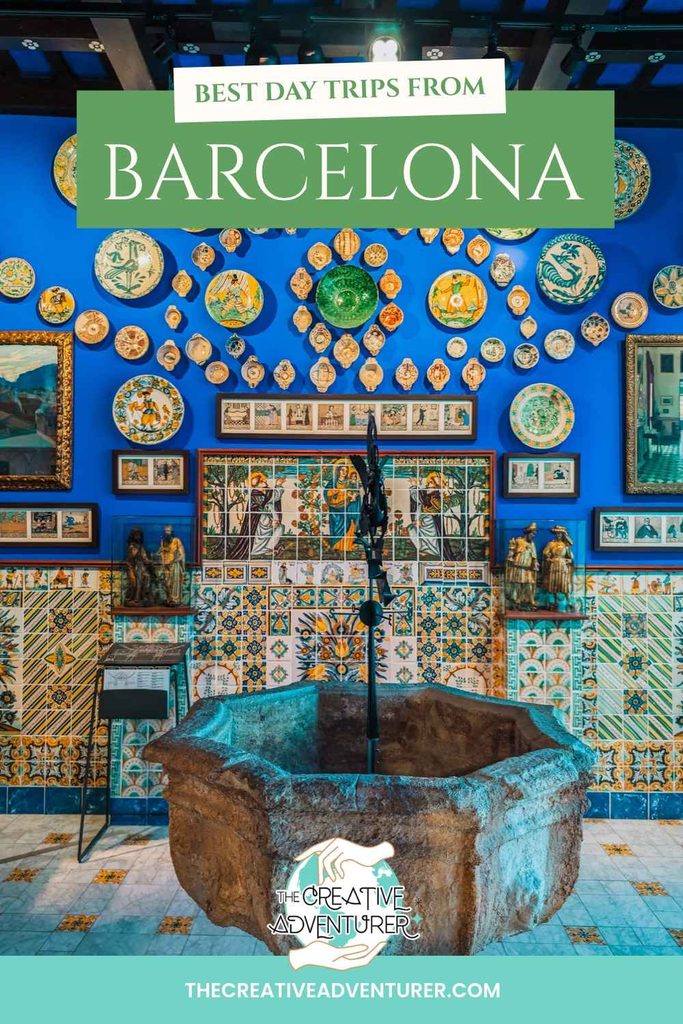
Spend the day on the golden sands of Platja de la Fragata, Platja de la Ribera or Platja de Sant Sebastià, then walk the Passeig Marítim, a promenade of about two and a half kilometres that’s perfect for sea views, people-watching and beachfront cafés. Many visitors skip the old town, but it’s worth your time. Visit the 17th-century Church of Sant Bartomeu i Santa Tecla, set on a promontory above the sea, along with the Maricel Palace and the Cau Ferrat Museum, once the home and workshop of the artist Santiago Rusiñol.


Tarragona: Roman History Unveiled
For history buffs, Tarragona is a must. This ancient Roman city, once known as Tárraco, combines archaeological treasures, Mediterranean beaches and a blend of modern and ancient charm. Take a regional train from Barcelona-Sants, which arrives in just over an hour. High-speed trains are faster but stop at a station outside the city.
What to Do
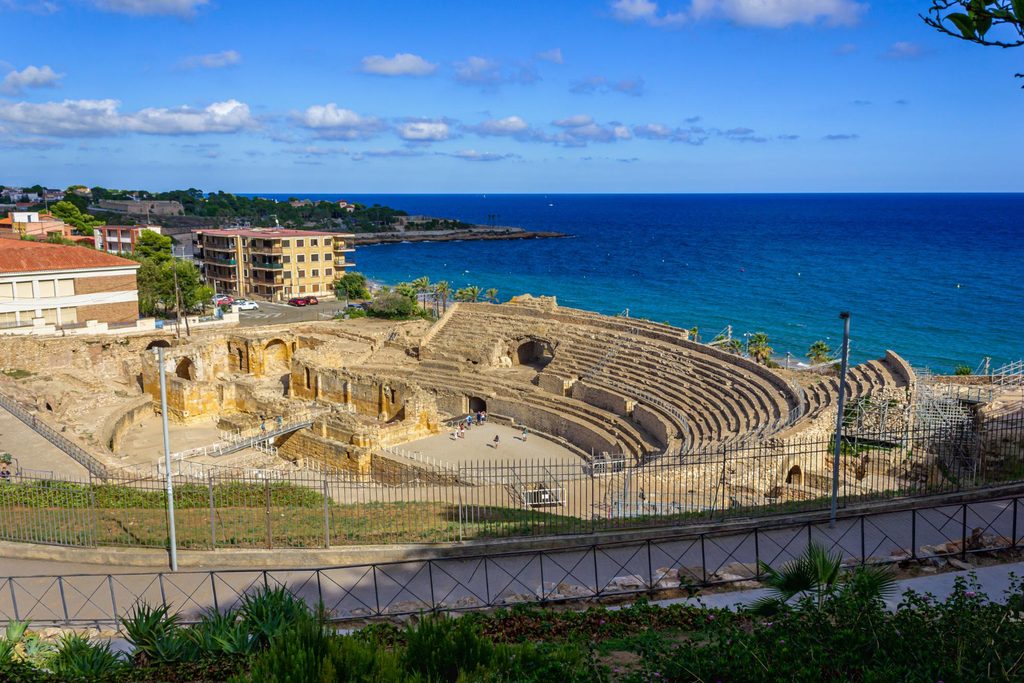
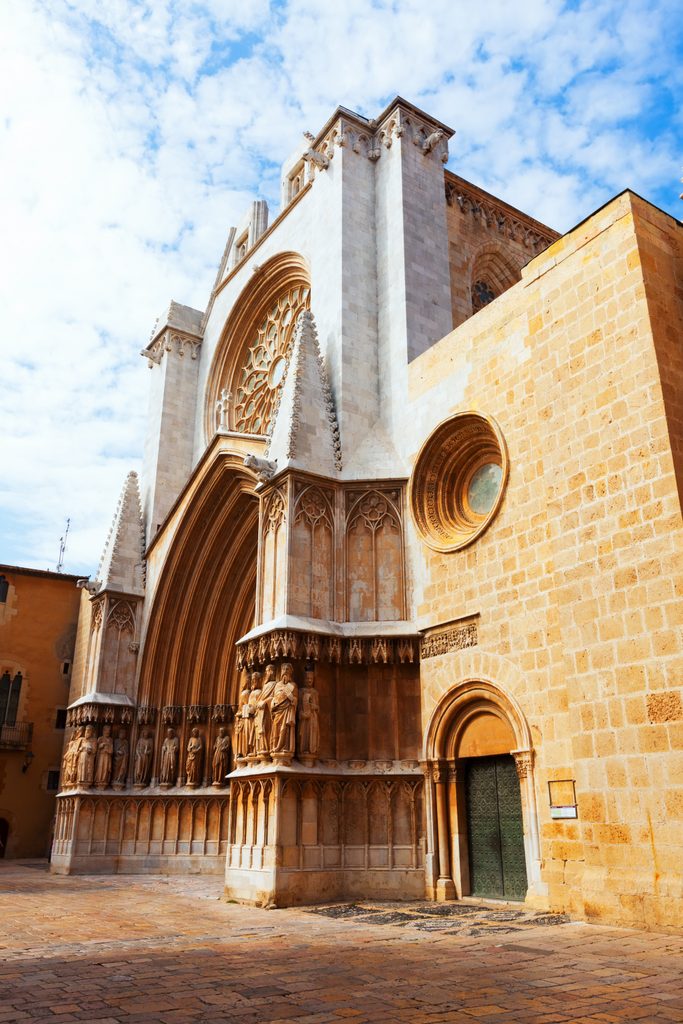
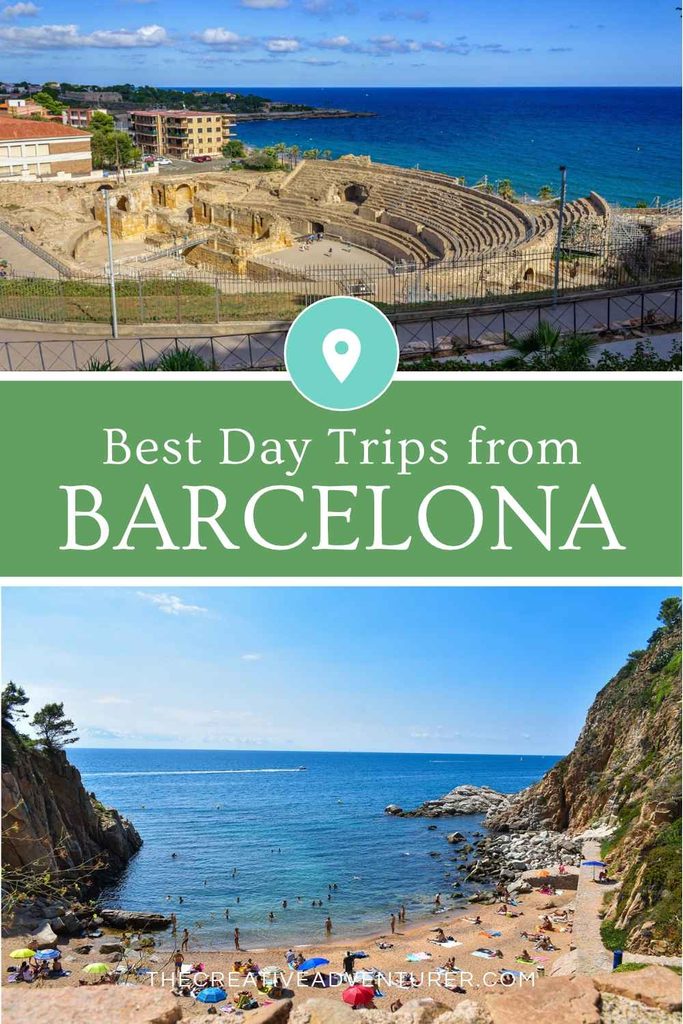
Explore the Archaeological Ensemble of Tárraco, a UNESCO World Heritage Site since 2000 that includes the Roman walls, a circus and other remains. The highlight is the Roman Amphitheatre, where gladiators once fought, set right beside the sea with panoramic Mediterranean views. Many sites close on Mondays, so check before you go. Then wander the old town to see the Romanesque and Gothic cathedral, and walk the tree-lined Rambla Nova to the Balcó del Mediterrani viewpoint. Finish with a swim at Platja del Miracle or Platja de l’Arrabassada.

Which Day Trip Is Right for You?
From the sacred heights of Montserrat to the medieval streets of Girona, the artistic wonders of Figueres, the Roman ruins of Tarragona and the beaches of Sitges and Tossa de Mar, each getaway reveals a different side of Catalonia. Whichever you choose, you’ll come home with a new appreciation for the art, history and architecture just beyond Barcelona.
Happy Travels, Adventurers!






Leave a Comment